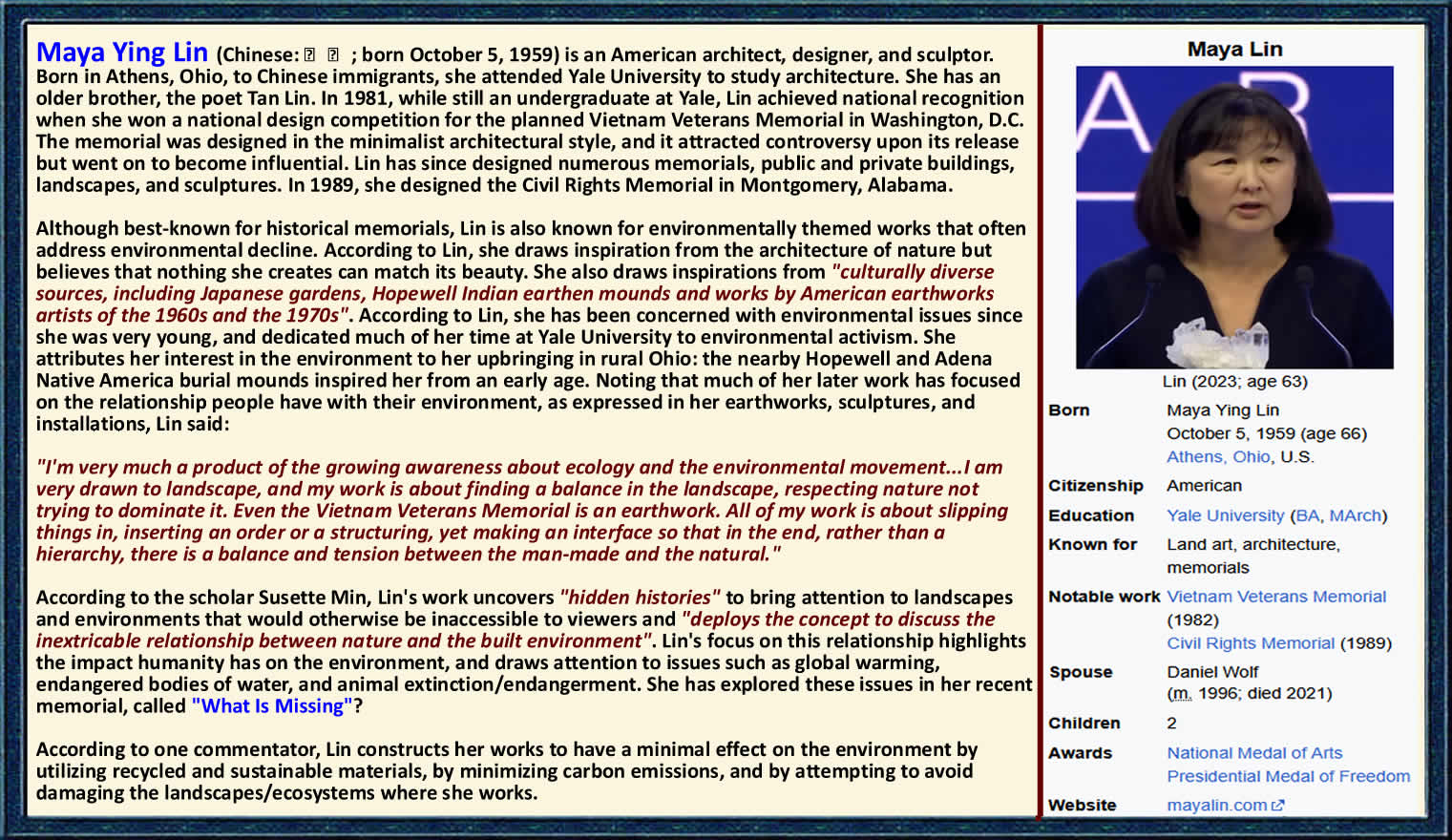
Maya Lin: Her professor gave her a B. Then, she submitted that same design to a national competition — and beat 1,420 architects without anyone even knowing her name.
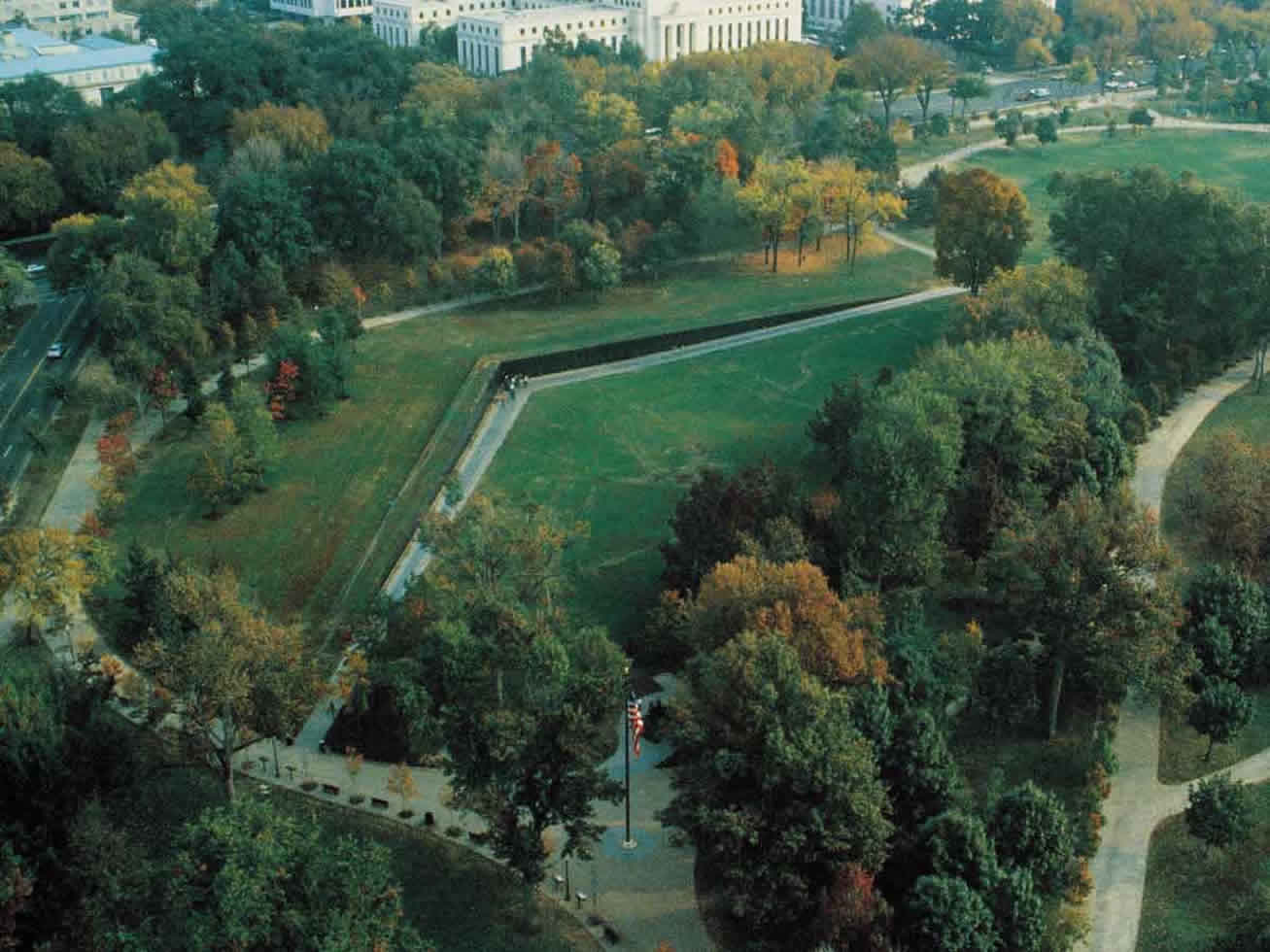
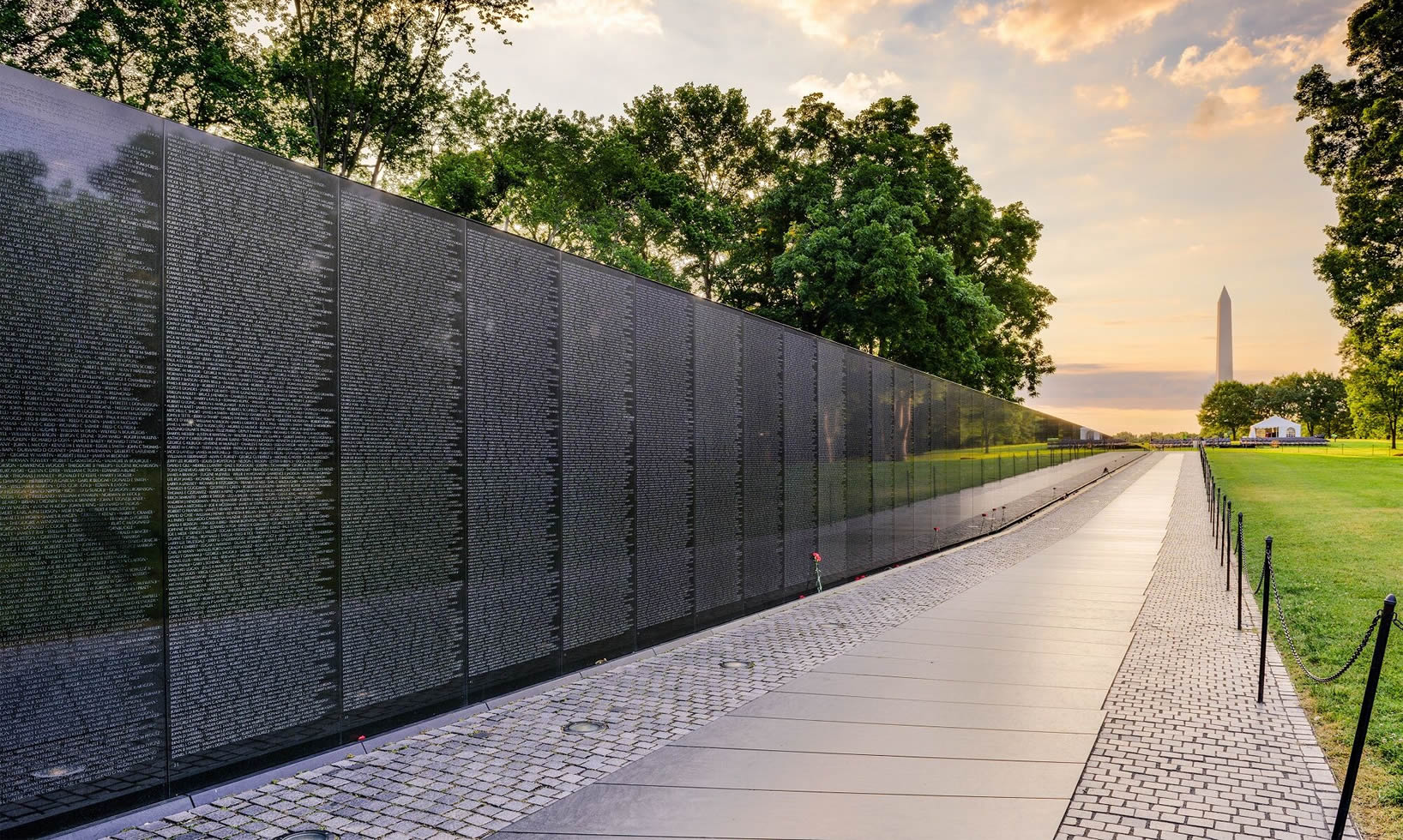
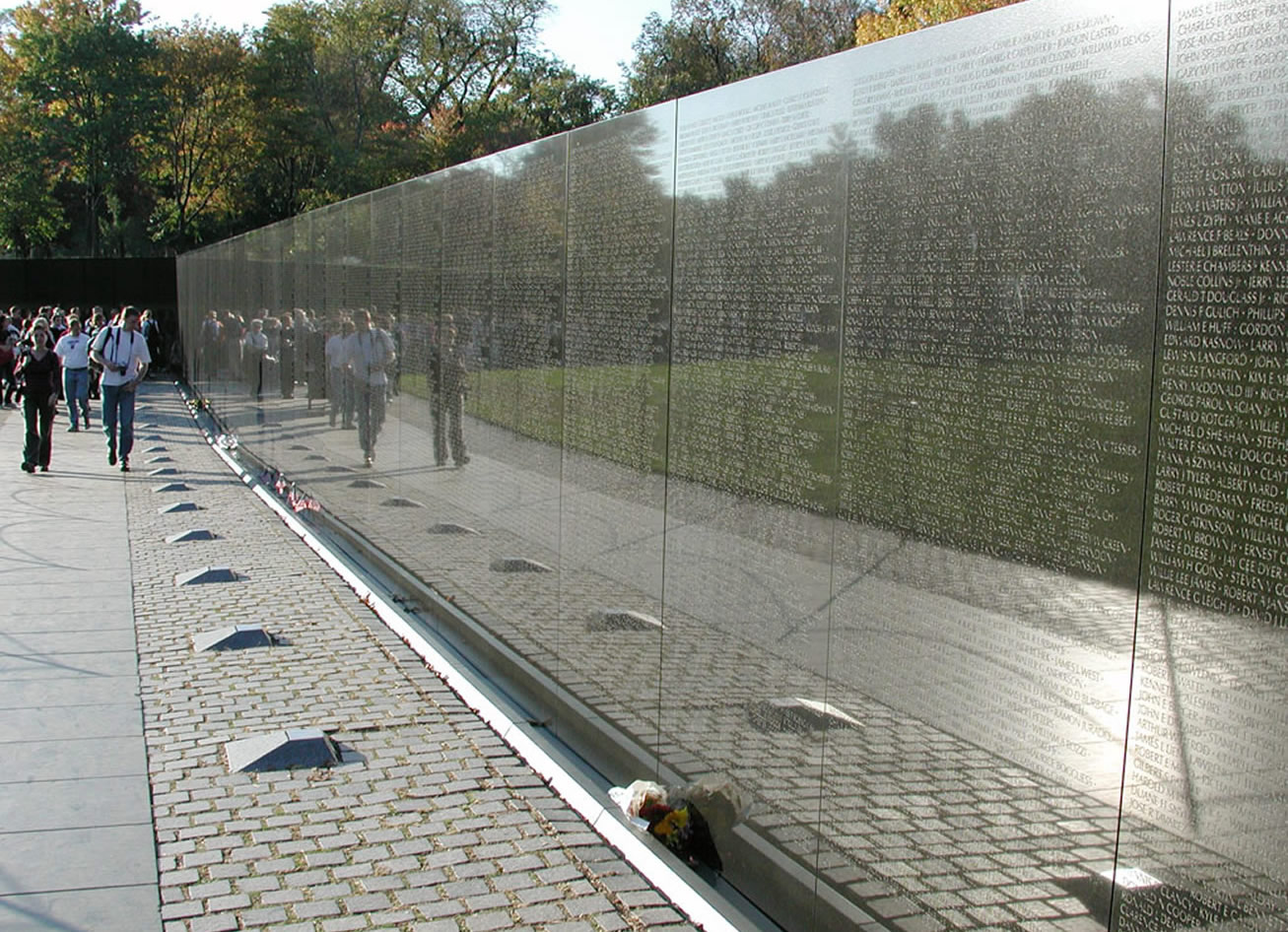
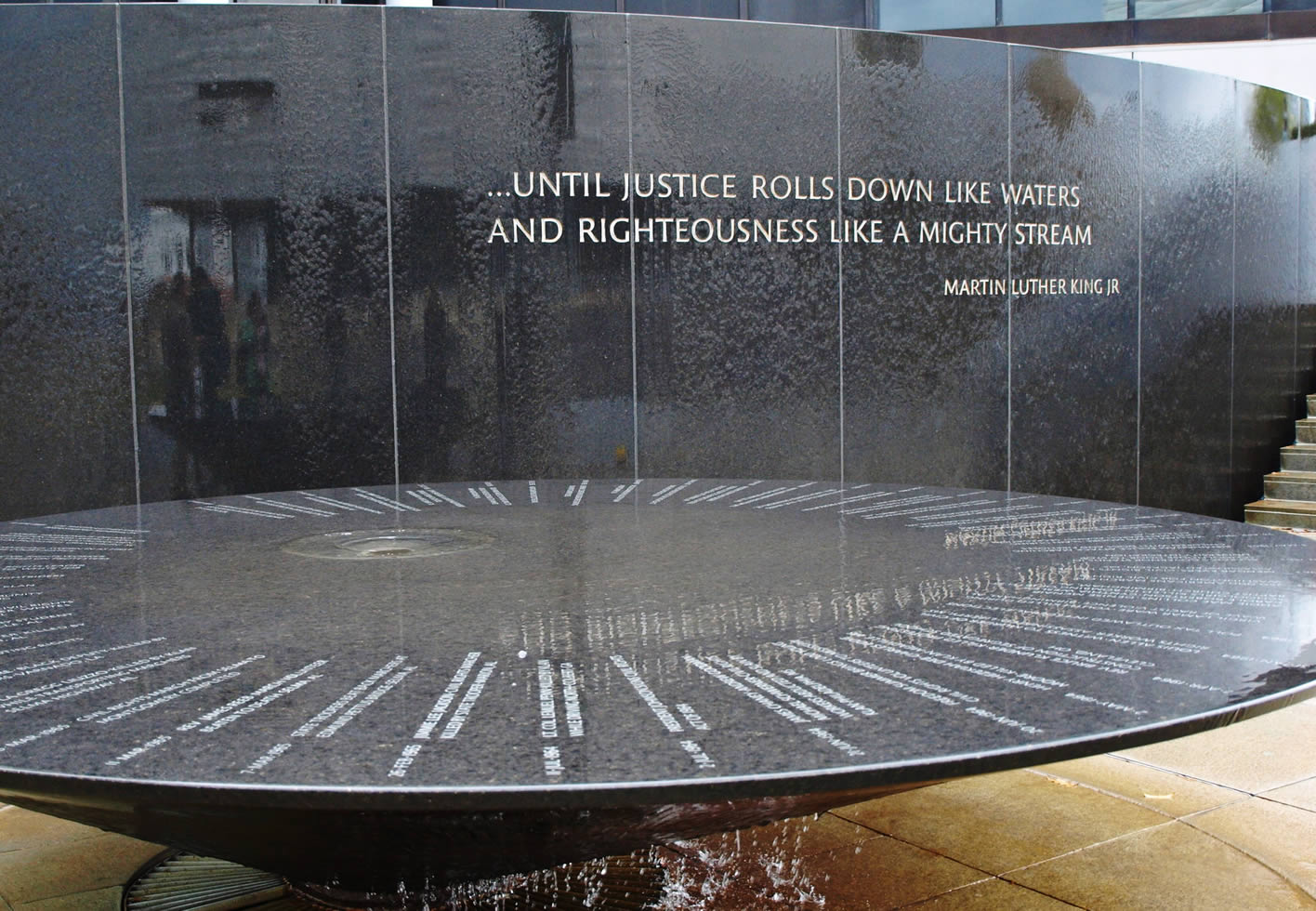
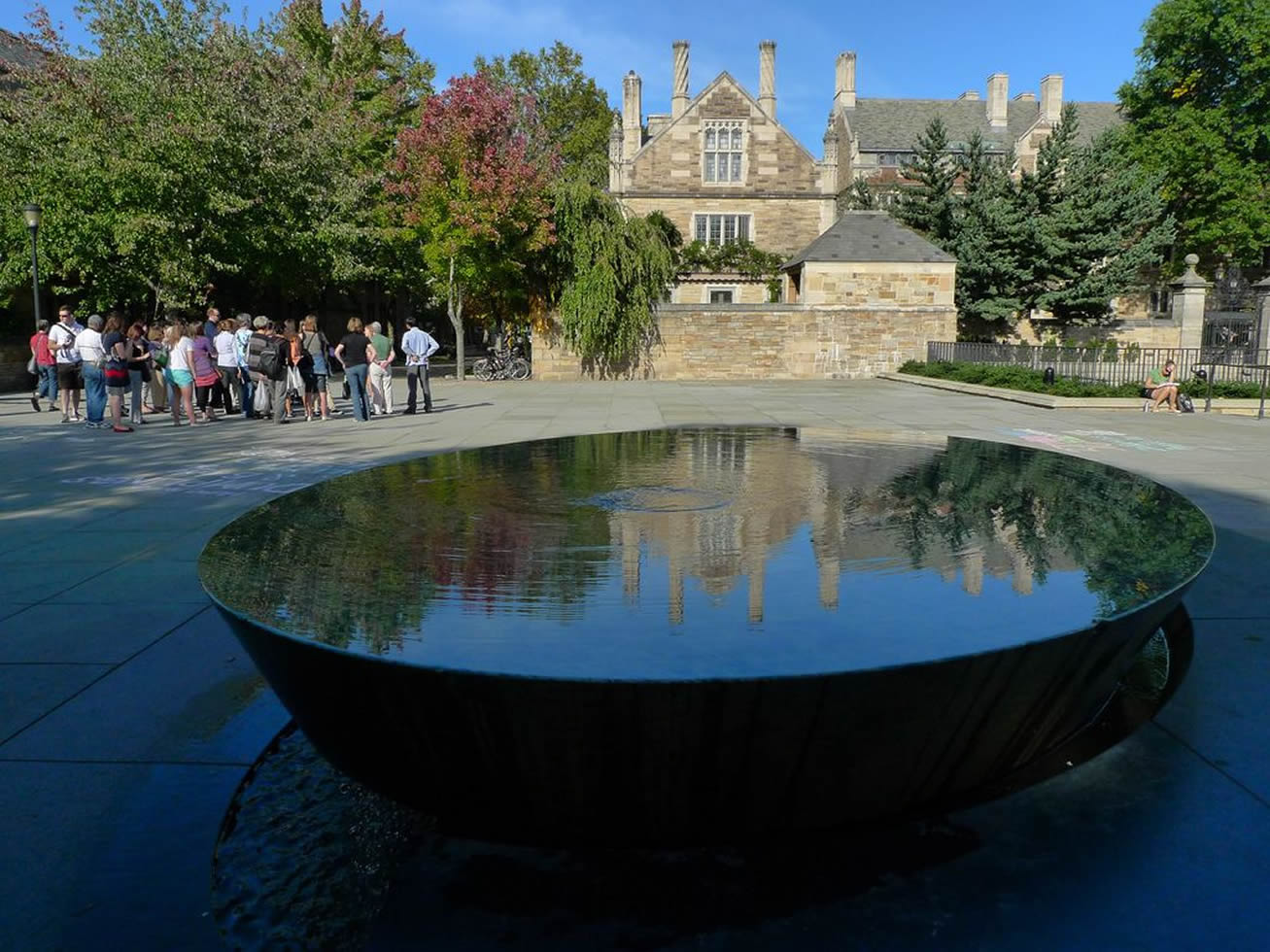
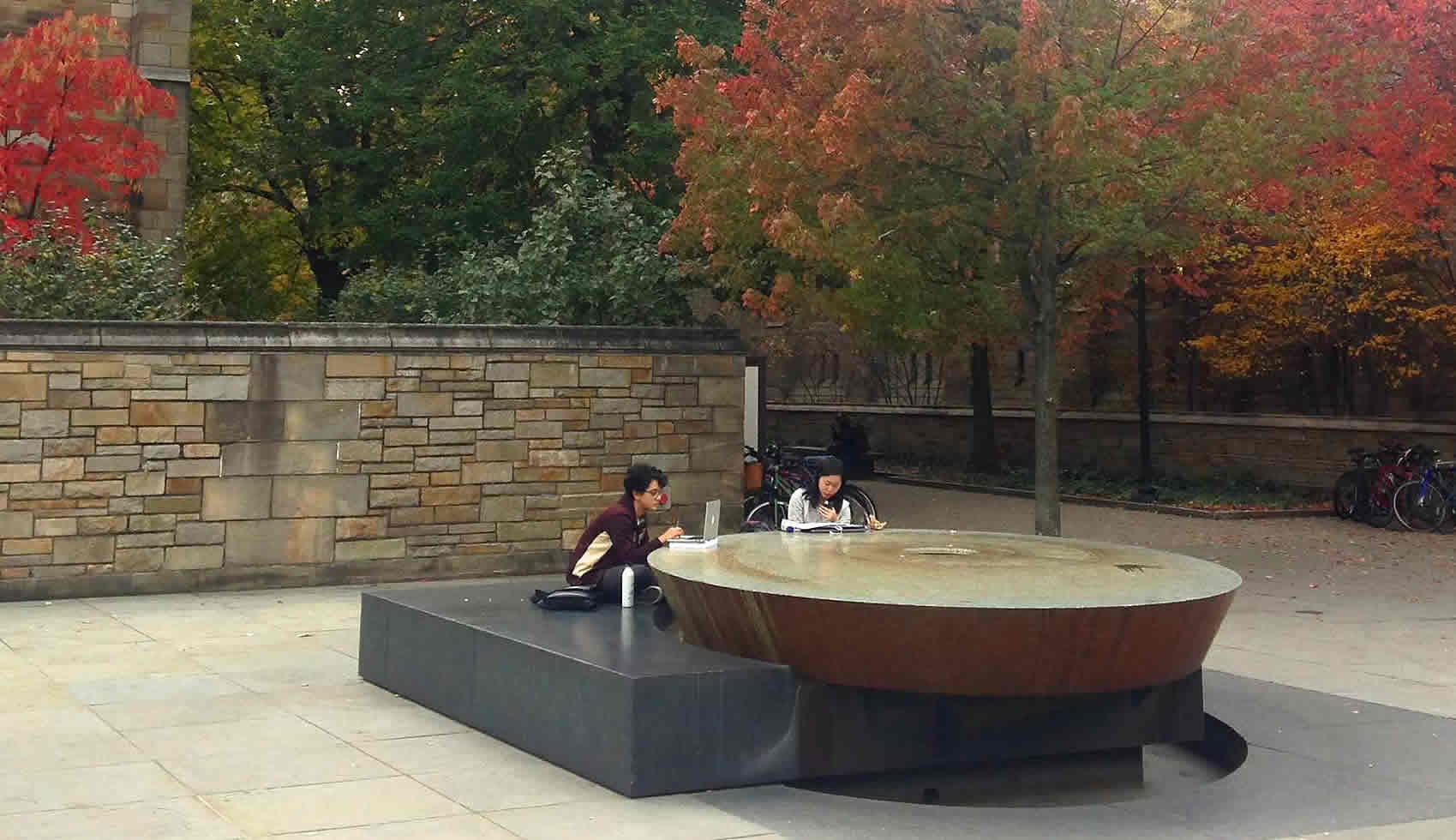
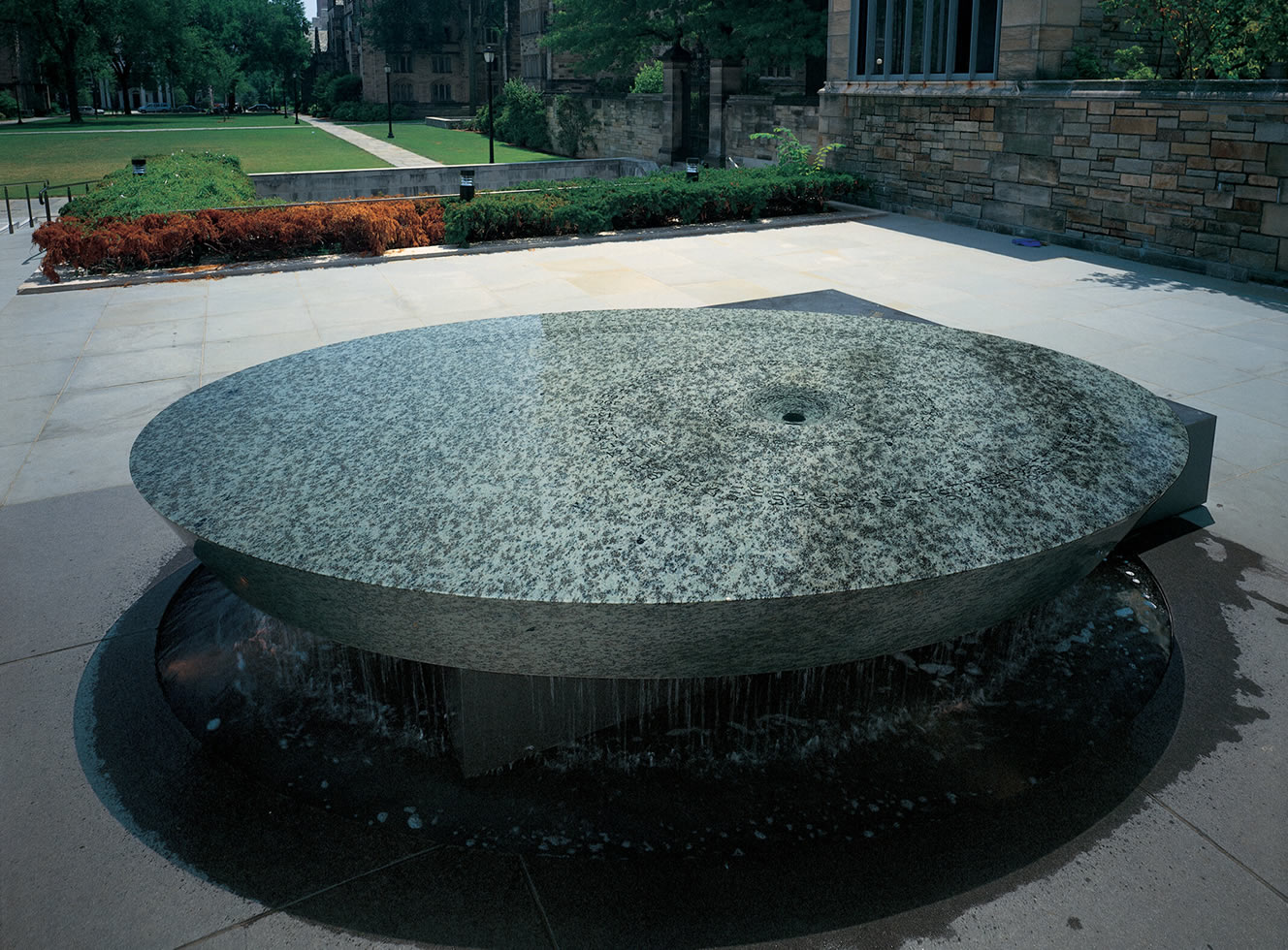
In the fall of 1980, Maya Lin was a 21-year-old senior at Yale taking a class on funerary architecture. The professor assigned a hypothetical project: design a memorial. Lin chose the Vietnam War, which was still a raw, open wound - the conflict had ended only five years earlier, and the country had no national monument to honor its dead. She drove down to the proposed site in Washington, D.C., walked the patch of grass on the National Mall near the Lincoln Memorial, and just sat there for a while. She didn't sketch a thing. Instead, she thought about what a wound looks like, and how the earth heals after it's cut open. Eventually, she went back to New Haven and drew what she had envisioned: not a towering structure raised up out of the ground, but a long, polished black granite wall descending into the earth, opening it up, and listing the names of every American who died in the war. She arranged them in chronological order so that a family member who knew the date their loved one was killed could walk straight to that day and place a hand on their name. Her professor, Andrus Burr, was not impressed. He gave the design a B. A few weeks later, the Vietnam Veterans Memorial Fund announced a national design competition for the actual monument. To ensure fairness, the entries were judged entirely blind - submitted under numbers rather than names - by an eight-person jury of architects and sculptors. The competition received 1,421 entries, making it the largest design competition in American history. Maya Lin submitted her project. Her number was 1,026. The jury chose her design unanimously. They had absolutely no idea who had drawn it. When her identity was finally revealed—a 21-year-old undergraduate, female, and Chinese-American, who had received a B from her own professor—the response was not what you would expect a country to give an artist who had just won its most important architectural competition. Some Vietnam veterans were furious. The memorial wasn't traditional; there were no statues and no flags. It descended into the earth rather than rising proudly above it. One critic called it "a black gash of shame," while another dismissed it as "a degrading ditch." H. Ross Perot, the Texas billionaire and one of the project's largest donors, even referred to Lin as "egg roll" in conversations loud enough for her to overhear. She was forced to sit through public hearings in Washington where some of the most powerful men in American politics openly insulted her face, her age, her ethnicity, and her work. But she held her ground. She was only 21, and she stood firm. Eventually, a compromise was forced upon her. Against her wishes, a more traditional bronze statue of three soldiers and a flagpole were added near the site. But the wall itself—the long black gash she had drawn for a B grade in a college class—was built almost exactly as she had designed it. It was dedicated on November 13, 1982. What happened next is what makes the story so vital, even decades later. People came. They came in numbers no one could have predicted. They stood before the names of their sons, brothers, fathers, husbands, and friends. They pressed their hands against the polished granite. They left flowers, photographs, letters, dog tags, pieces of uniforms, and baby pictures. The National Park Service began collecting these tributes, and the collection now contains over 400,000 items. Today, the Vietnam Veterans Memorial is one of the most visited monuments in the United States and, by most accounts, the single most-loved war memorial in America. The country that had spent two years calling the design a gash and the designer a racial slur had quietly decided, by the time the wall was finished, that the 21-year-old student had been completely right. Lin didn't stop there. In 1989, the Southern Poverty Law Center asked her to design the Civil Rights Memorial in Montgomery, Alabama. Reading Dr. Martin Luther King Jr.’s "I Have a Dream" speech, she caught a line where he quotes the prophet Amos: "until justice rolls down like waters, and righteousness like a mighty stream." She built her design around that moving water. It features a circular black granite table inscribed with the names of forty-one people killed in the civil rights struggle, with water flowing smoothly across the surface so visitors can touch it. The names gently blur beneath the water as you read them. That is exactly the point. In 1993, Yale asked her to commemorate the twentieth anniversary of co-education at the university. Diving into the archives, Lin looked for records of women at Yale before they were officially admitted. She found them listed as "silent listeners"—women who sat in the back rows of classrooms, attending without credit or recognition, sometimes for decades. Her creation, The Women's Table, is a granite spiral inscribed with the number of women enrolled at Yale each year, starting at zero and spiraling outward. For the past twenty years, she has focused on earthworks and environmental art, creating pieces like the Storm King Wave Field and The Confluence Project—a series of installations across the Pacific Northwest made in collaboration with Indigenous tribes to restore land damaged by parking lots and invasive species. Her project, "What Is Missing?", is her self-declared fifth and final memorial. Dedicated to the species and ecosystems lost to climate change, it functions as both an artwork and a working environmental nonprofit. Her contributions have been deeply honored. She received the National Medal of Arts from President Obama in 2009 and the Presidential Medal of Freedom in 2016. She holds the Rome Prize alongside honorary doctorates from Yale, Harvard, Penn, Williams, and Smith College. Her mother, Julia Chang Lin, had originally come to the United States in 1949 on a scholarship from Smith College, fleeing the Chinese Communist Revolution with nothing. Recently, Maya designed the renovation of Smith's main library - a deeply personal tribute to her mother's journey. There is a quiet, profound truth in Maya Lin's life story. The blind jury selected her design because they didn't know who she was. The public attacked her after her name was revealed because they did know. Yet, the wall was exactly the same in both cases. The only thing that changed was what people thought about the person who drew it. That is the ultimate argument for why the structure and terms of our competitions matter. Some of the most brilliant, impactful work in a country is done by the very people that country would never have hired if it had known who they were from the start. The B-grade student was right. The professor was wrong. And eventually, the entire country agreed. |
 |
 |
 |
 |
 |
 |
 |