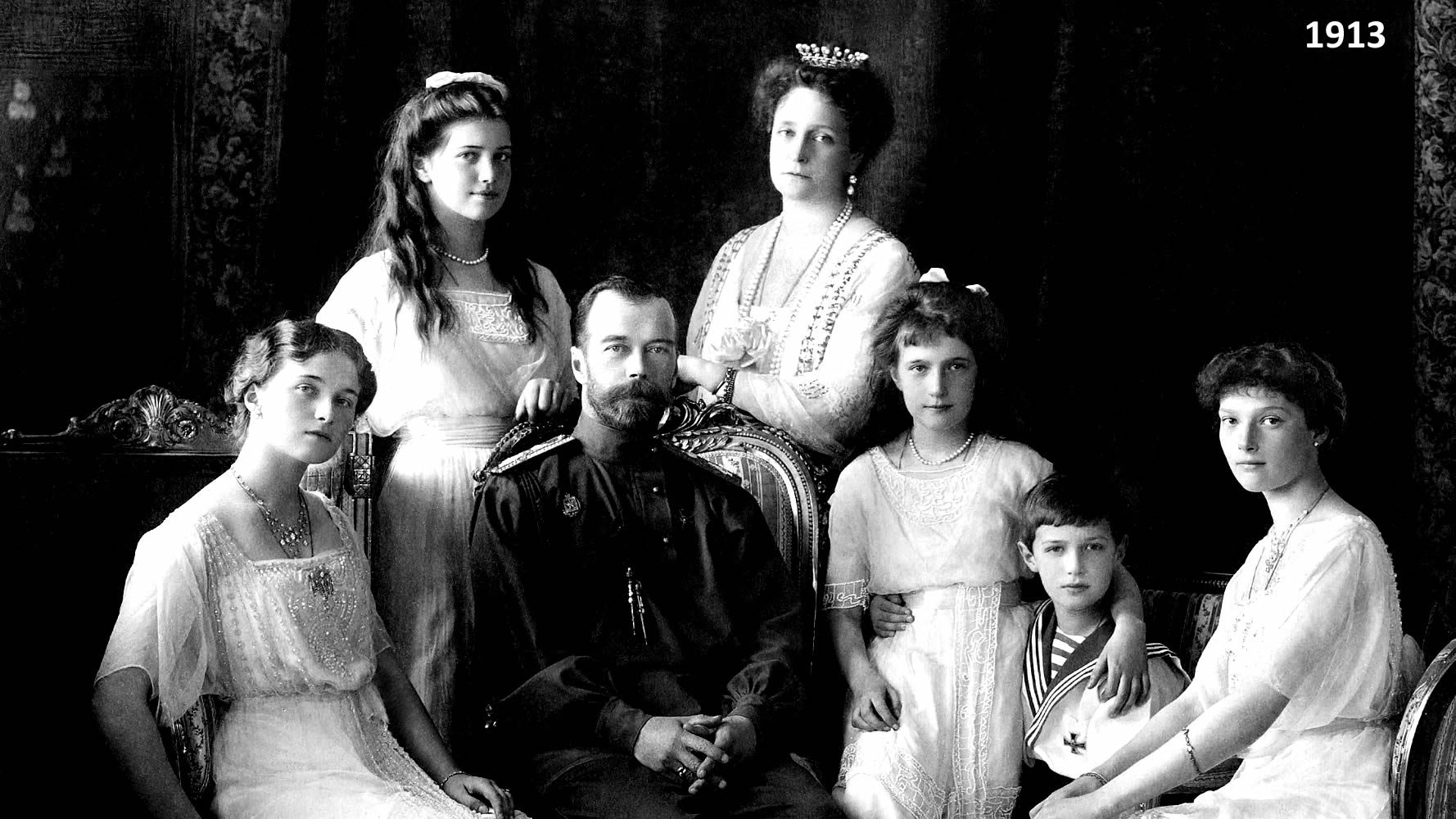
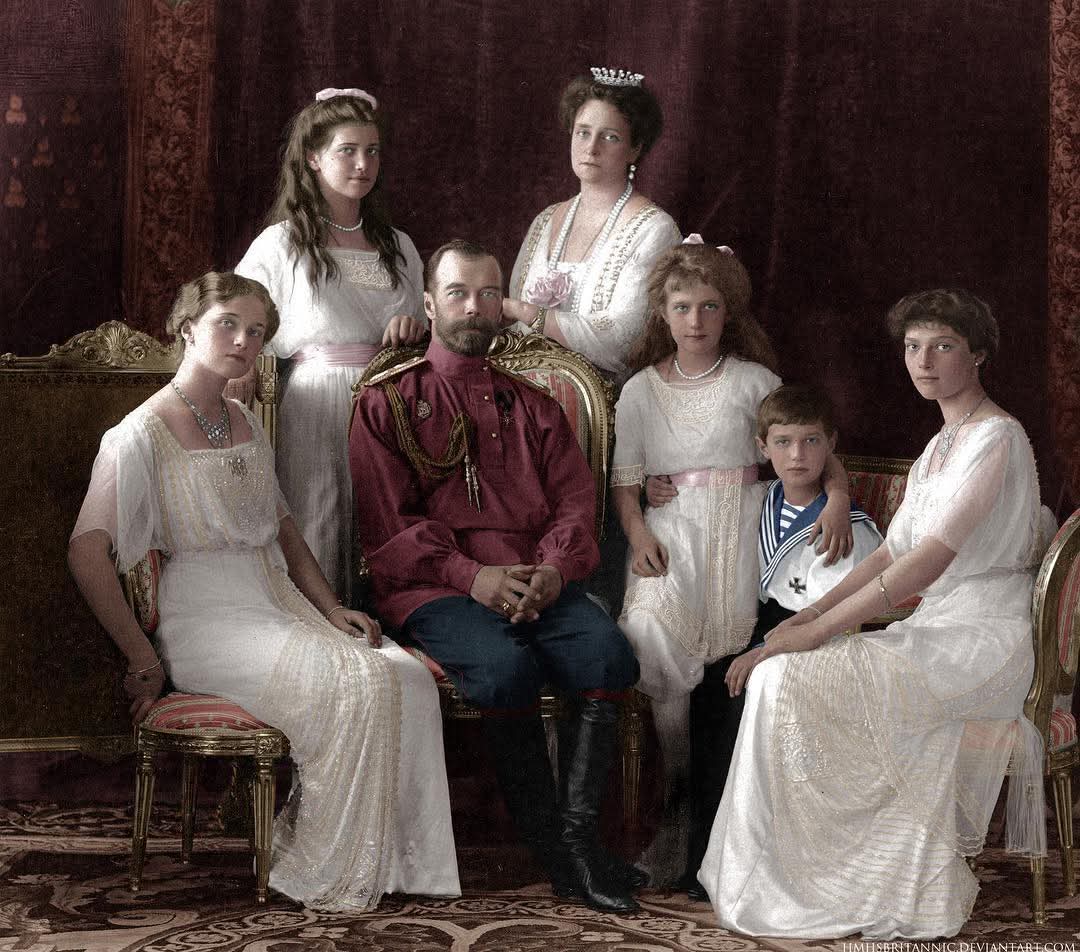
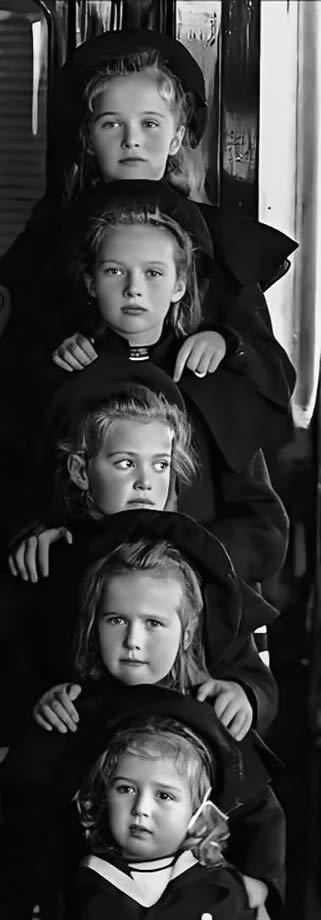
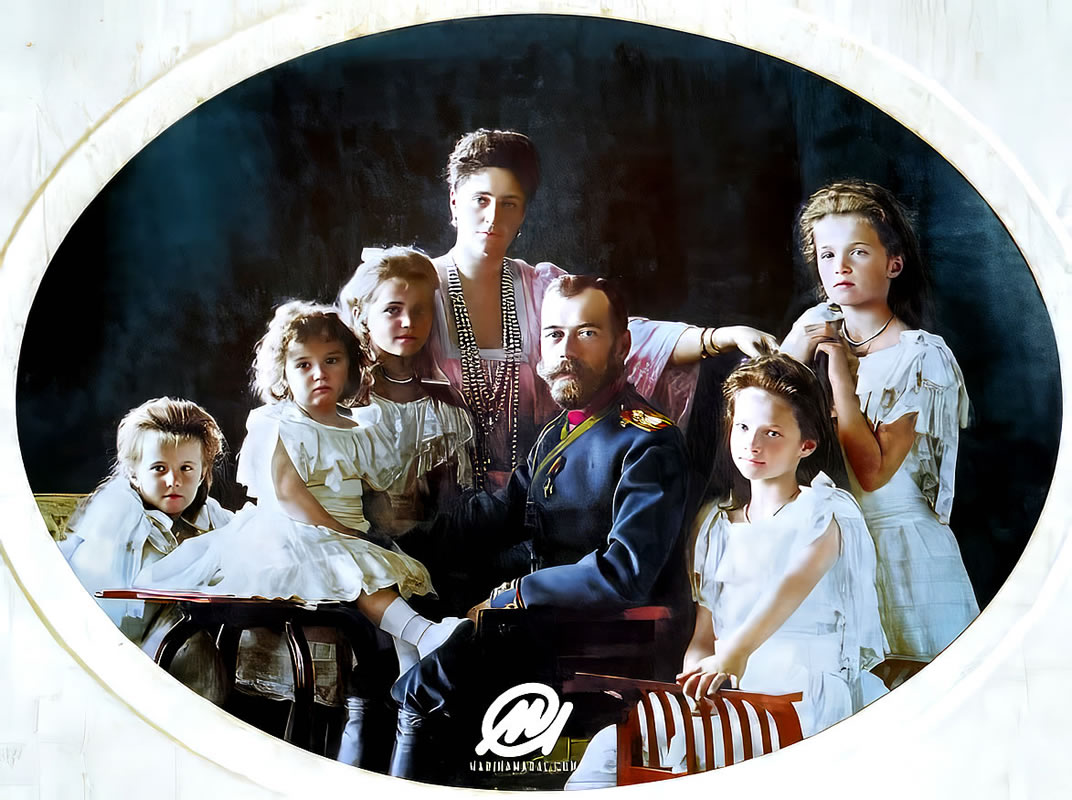
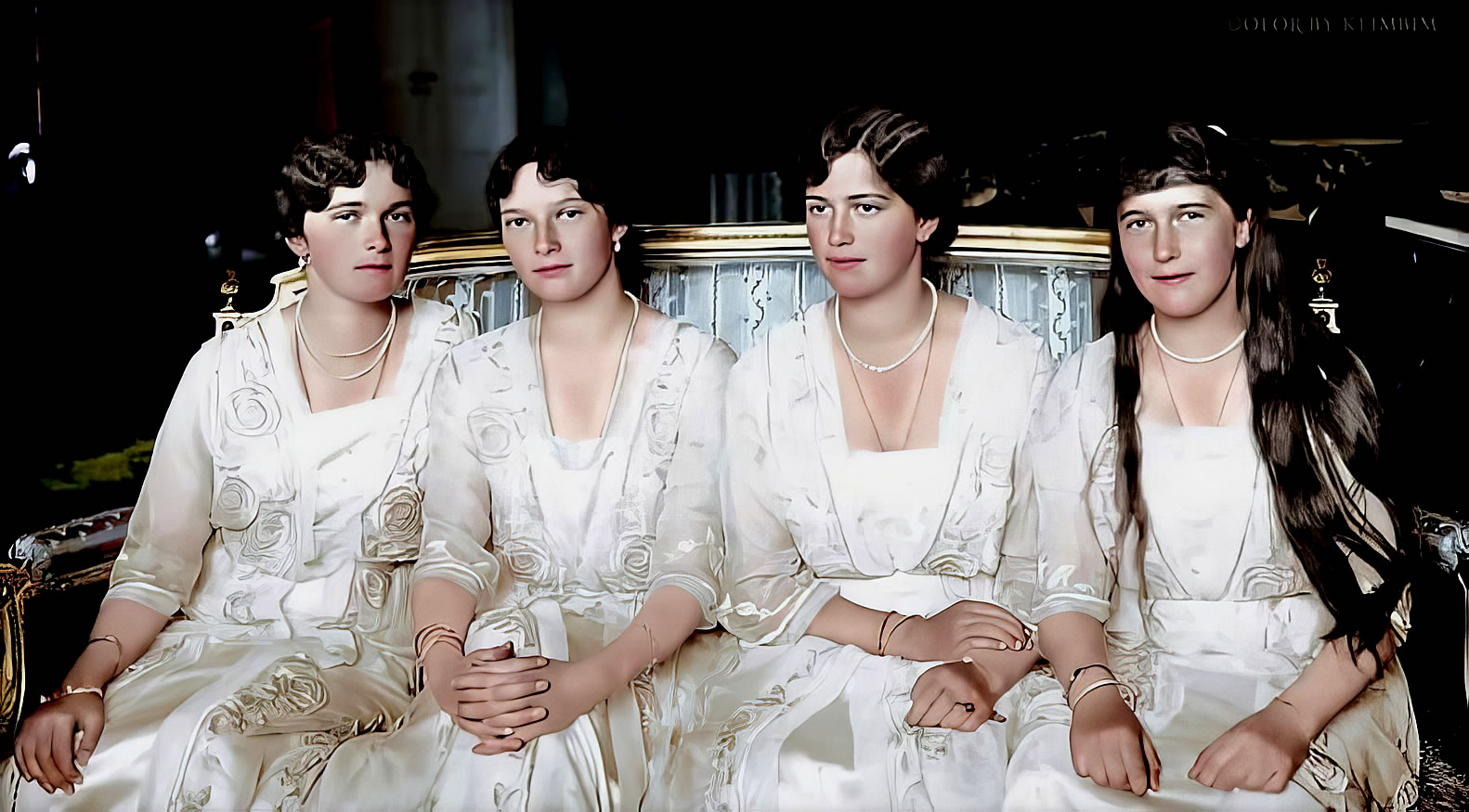
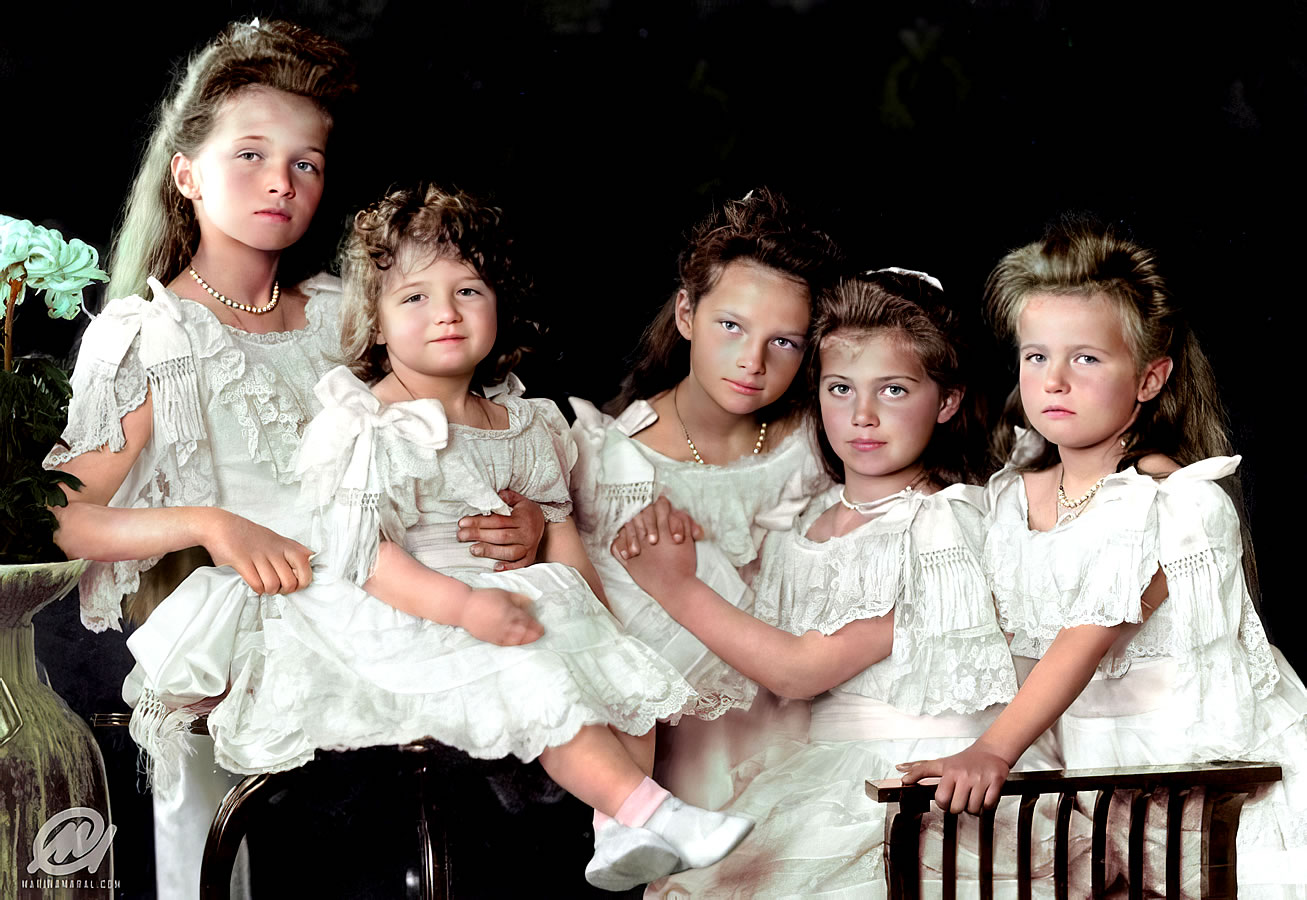
SUMMARY: By all accounts Nicholas was not a wise or "good" Tsar. Like all his family he did not ASK or SEEK to be Tsar, but it was his fate to be born to that position. Accounts claim that he was weak, indecisive and lacked the courage to carry out reforms that the suffering Russian people sorely needed. He seems to have seen it as his duty to maintain Imperial ways and traditions. He was not, however, in the same psychopathic mould as Genghis Khan, Ivan the terrible or Vlad the Impaler - OR indeed Stalin, Hitler and others who clearly deserved to be shot. However, the Bolsheviks massacred him, his entire family and a number of servants for fear they would be rescued by advancing Imperialist forces, the Revolution not yet being clearly won. Such a rescue might have rallied more people to the anti-Revolution cause, which Lenin and his followers could not let happen. Such a decision may have made sense regarding the Tsar himself - and even been in some way defensible from the Revolutionaries' point of view - but the WHOLE FAMILY was brutally shot and/or bayoneted to death, including five beautiful children. They were of course hyper-privileged but THEY DID NOT CHOOSE TO BE THE CHILDREN OF THE TSAR and were TOTALLY INNOCENT VICTIMS of the Bolsheviks and later Stalin - as are now the people of Russia and Ukraine with Putin. REST IN PEACE DEAR CHILDREN. We never knew you but will also never forget you - or the horrible humans who murdered you.
|
||||||||||||||||||||||||||







 |

|
October 1917, the month Vladimir Lenin's Bolsheviks seized power in Russia and overnight transformed the Romanov family from house-arrested inconveniences into dangerous political symbols, marked a turning point in the captivity of Nicholas II that even the most cautious observer could feel shifting like ice underfoot, as the guards surrounding the family were replaced by harder men, the remaining servants were dismissed one by one, and the quiet dignity Nicholas had maintained through months of confinement began to feel less like a negotiated peace and more like a slow closing of walls. The change was not sudden but cumulative, a steady erosion of small dignities: Nicholas was forbidden to wear his military epaulettes, an act calculated to strip him of the identity that had always been closest to his heart, since he had loved the ceremony of military life since boyhood and had preferred the company of soldiers to that of ministers throughout his reign. The family was placed on common soldiers' rations in March 1918, their coffee and butter taken away, their meals served from a shared pot, and the children, who had known nothing but the abundance of imperial palaces, adapted with a resilience that Nicholas noted in his diary with quiet pride.
When the Bolsheviks transferred the family from the relative calm of Tobolsk to Yekaterinburg in April 1918, splitting them briefly during the journey because young Alexei was too ill with his hemophilia to travel immediately, Nicholas and Alexandra endured even this separation with the steadiness of people who had already surrendered their expectations about what life owed them. The great Romanov wealth, once estimated at a figure that would translate into hundreds of billions in today's currency, had been entirely spent or seized, the London bank deposits drained to fund wartime charities and hospitals, the estates and palaces nationalized, the jewels sewn secretly into the children's clothing as a last desperate hedge against an uncertain future. What remained was the family itself, the bond between Nicholas and Alexandra that had survived war and revolution and captivity without fracturing, and the faith that both of them had held since childhood, which deepened rather than diminished under pressure, giving the former tsar a composure in the face of an increasingly obvious fate that his guards found unnerving and that historians would later recognize as the defining quality of his final year on earth. |
 |
 |
 |
 |
|
 |
 |
 |
 |
 |
 |
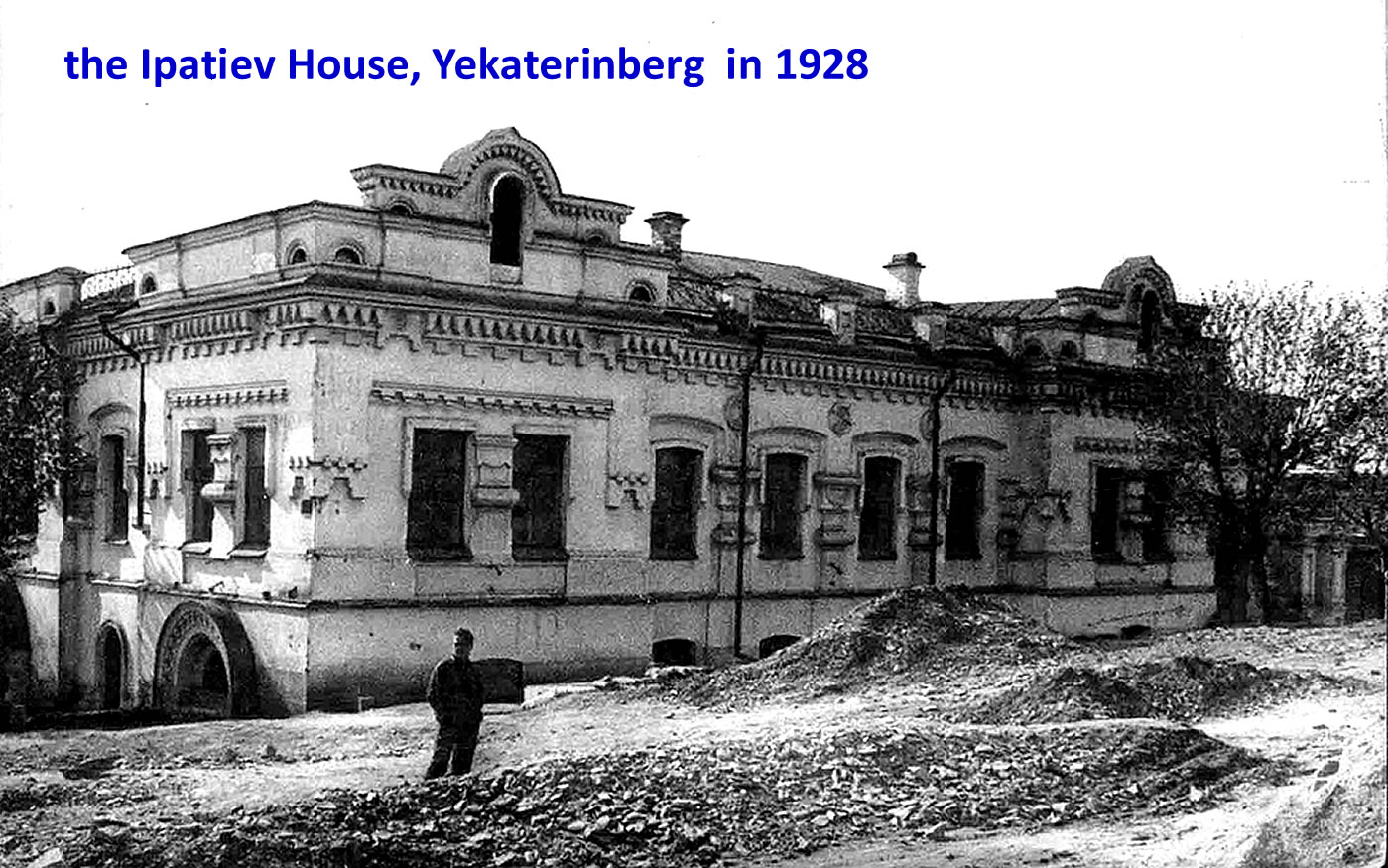
April 1918, when Bolshevik authorities transferred Nicholas, Alexandra, and their daughter Maria by train to the grim Ural mining city of Yekaterinburg while the other children followed weeks later, the family found themselves confined in a two-story townhouse belonging to a local merchant named Ipatiev, a building that the Cheka had taken over and ominously designated the House of Special Purpose, a name that carried in its bureaucratic coldness a foreboding that Nicholas, ever given to optimism about his family's safety, seemed reluctant to fully absorb. The conditions in Yekaterinburg were harsher than anything the family had experienced in Tobolsk: the windows were painted over so that the children could not look out or be seen from the street, the guards were rougher and more contemptuous, and the family's remaining freedom of movement shrank to the dimensions of a few indoor rooms and a small courtyard where they were permitted brief daily exercise under watchful eyes. Nicholas continued his diary through these weeks, and the entries, preserved in archives to this day, reveal a man drawing inward toward the only things that had ever truly sustained him, his faith, his family, and the small observable details of the natural world, noting on July 13, 1918, just four days before the end, that Alexei had taken his first bath since Tobolsk, that the boy's injured knee was slowly improving, and that the weather outside was warm and pleasant. He wrote that the family had received no news from the outside world, a sentence that reads now as one of the most quietly heartbreaking lines in the entire record of his captivity, spoken by a man who did not know, or perhaps preferred not to know, that the White Army was advancing, that Bolshevik leaders feared a rescue, and that a death sentence had already been passed in secret. |
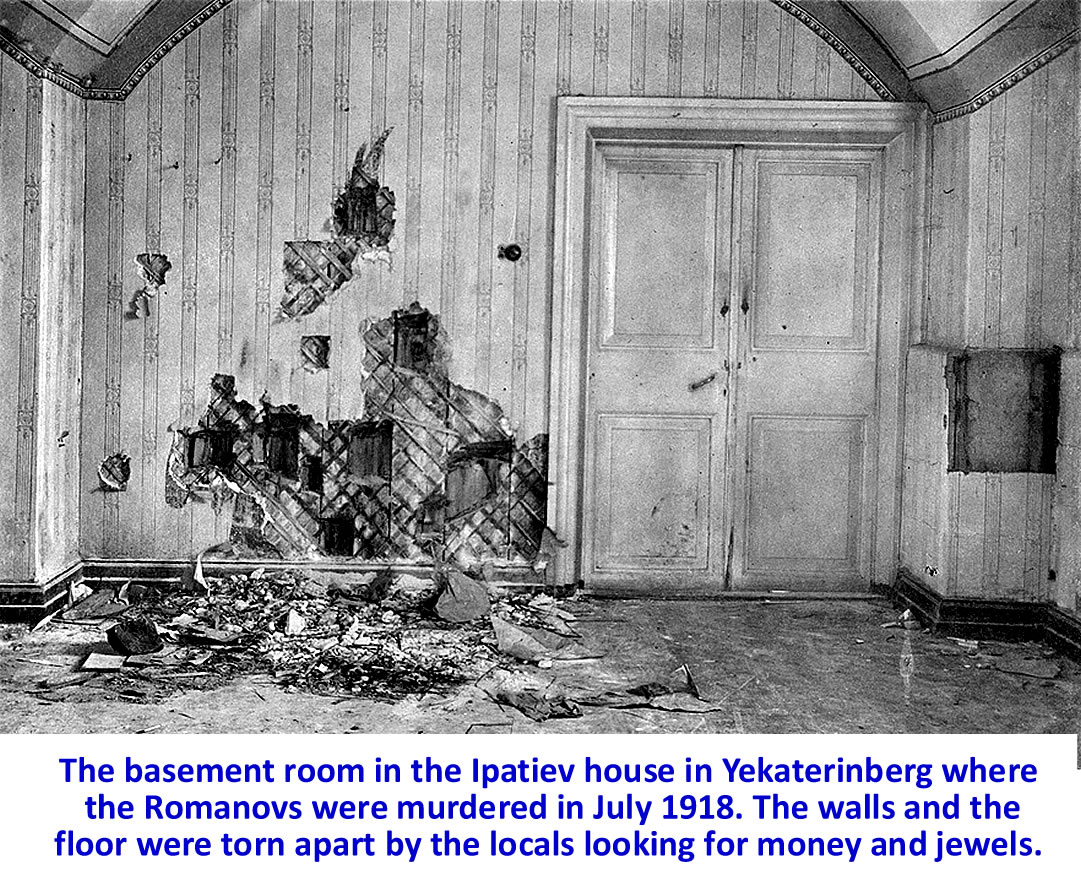
July 17, 1918, in the final terrible minutes before the family was led into the basement of the Ipatiev House, Nicholas carried Alexei in his arms one last time, the same act of physical tenderness he had performed across fourteen years of the boy's hemophilia crises, the same steady carrying that had moved observers at Stavka and at Tsarskoe Selo and at Tobolsk with its ordinary grace. Alexei was thirteen years old and too ill from his most recent hemophilia episode to walk easily, and his father carried him as he had always carried him when the pain or the weakness made walking difficult, and this final carrying was in no outward way different from any of the hundreds of times it had happened before, which is perhaps the most affecting thing about it. Nicholas had said to the assembled family and servants, well, we're going to get out of this place, and they had asked questions of the guards as they descended the stairs, and nobody among the family appeared to suspect that they were walking toward their deaths rather than toward a transfer, which is the particular mercy that history offered them at the very end. Alexandra had asked for chairs when she saw the bare basement room, the domestic instinct that had organized comfortable living for her family across twenty-three years reaching out automatically even in a place that offered nothing comfortable, and they sat together, the family arranged around the parents, Alexei at his father's side, and in those final minutes they were what they had always been, a family, the seven of them together, the specific irreplaceable group of people that Nicholas and Alexandra had built their entire lives around, the children who had been their reason for everything that mattered, and the son who had been the center of a united family, the focus of all its hopes and affections, and the one in whose presence, when he was well, everything in the palace seemed bathed in sunshine. In the early hours of July 17, 1918, Nicholas, Alexandra, their five children, their doctor, and three servants were led into the cellar of the Ipatiev House under the pretense of being moved for their safety, and there, in a room with whitewashed walls and a stone floor, the three-hundred-year Romanov dynasty came to its end, not with the grandeur of a royal court but in the terrible ordinary darkness of a basement, leaving behind only fifty-one diaries, thousands of letters, and the enduring human question of what might have been different if a gentler man had been born to a less impossible throne |
 |
 |
 |