 |
 |
 |

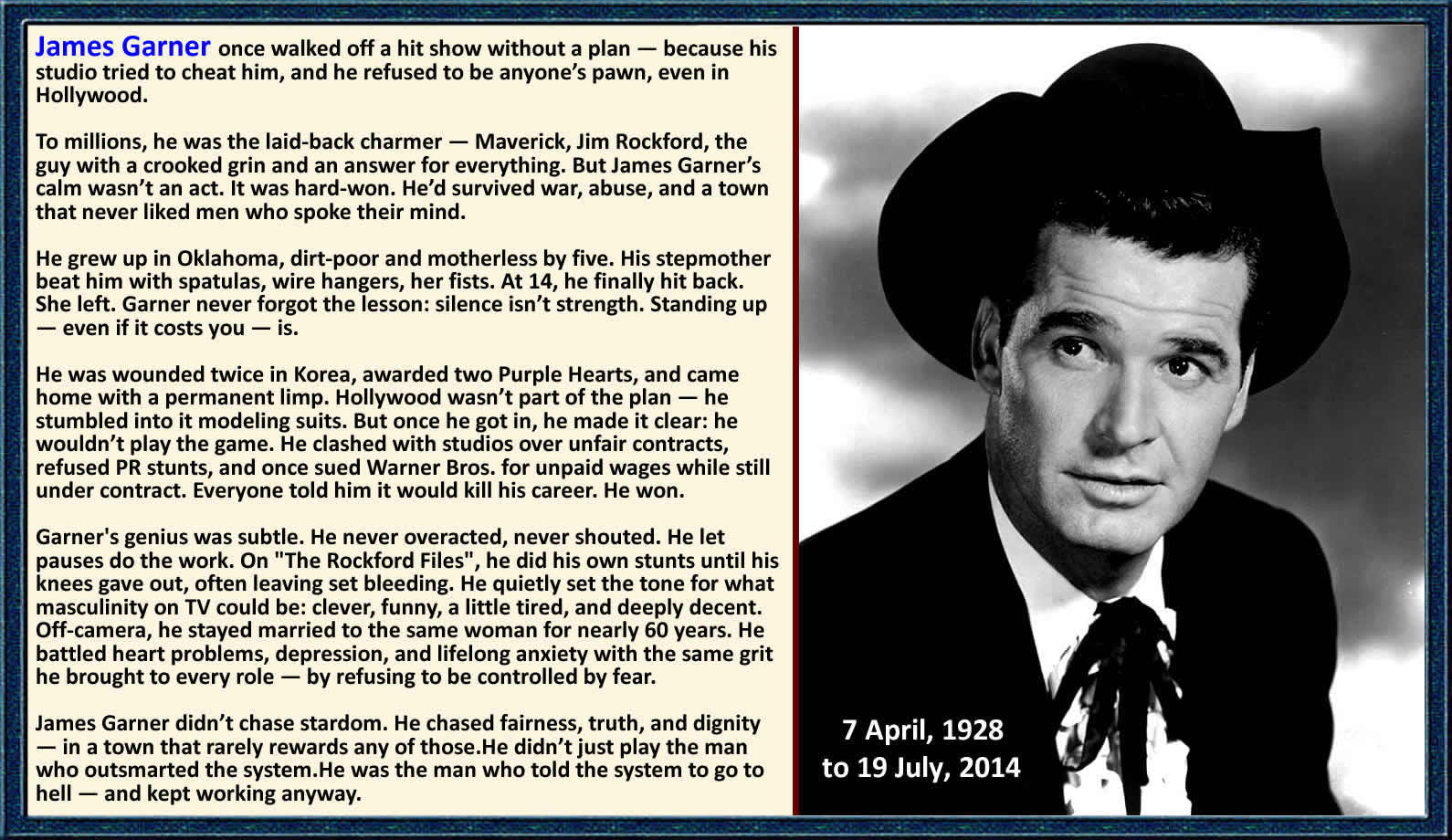
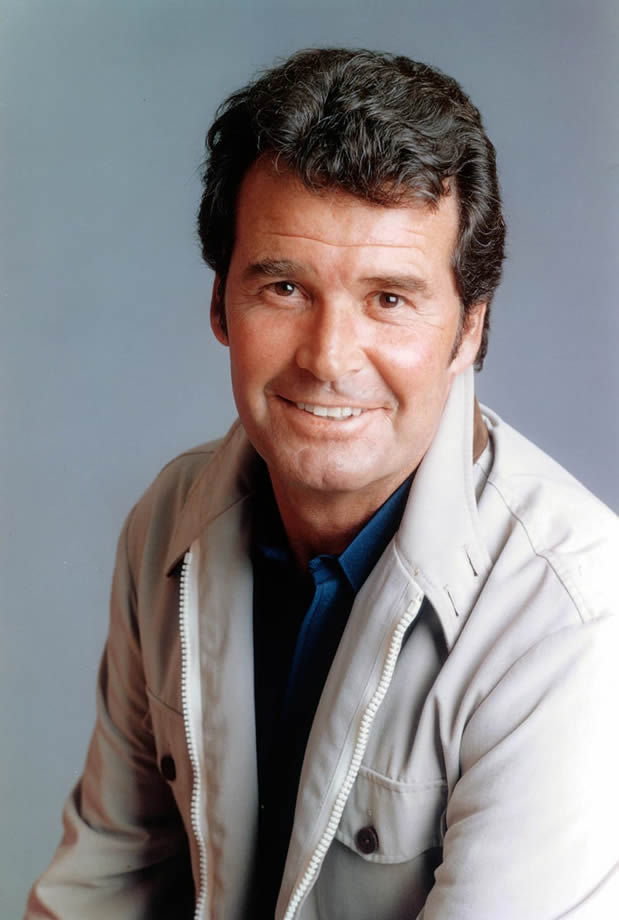
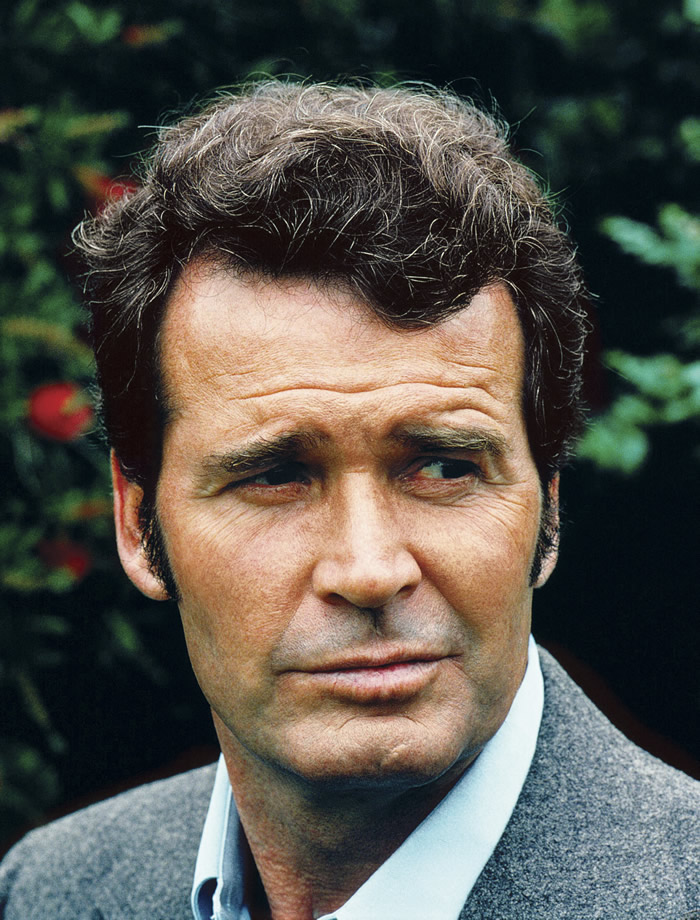
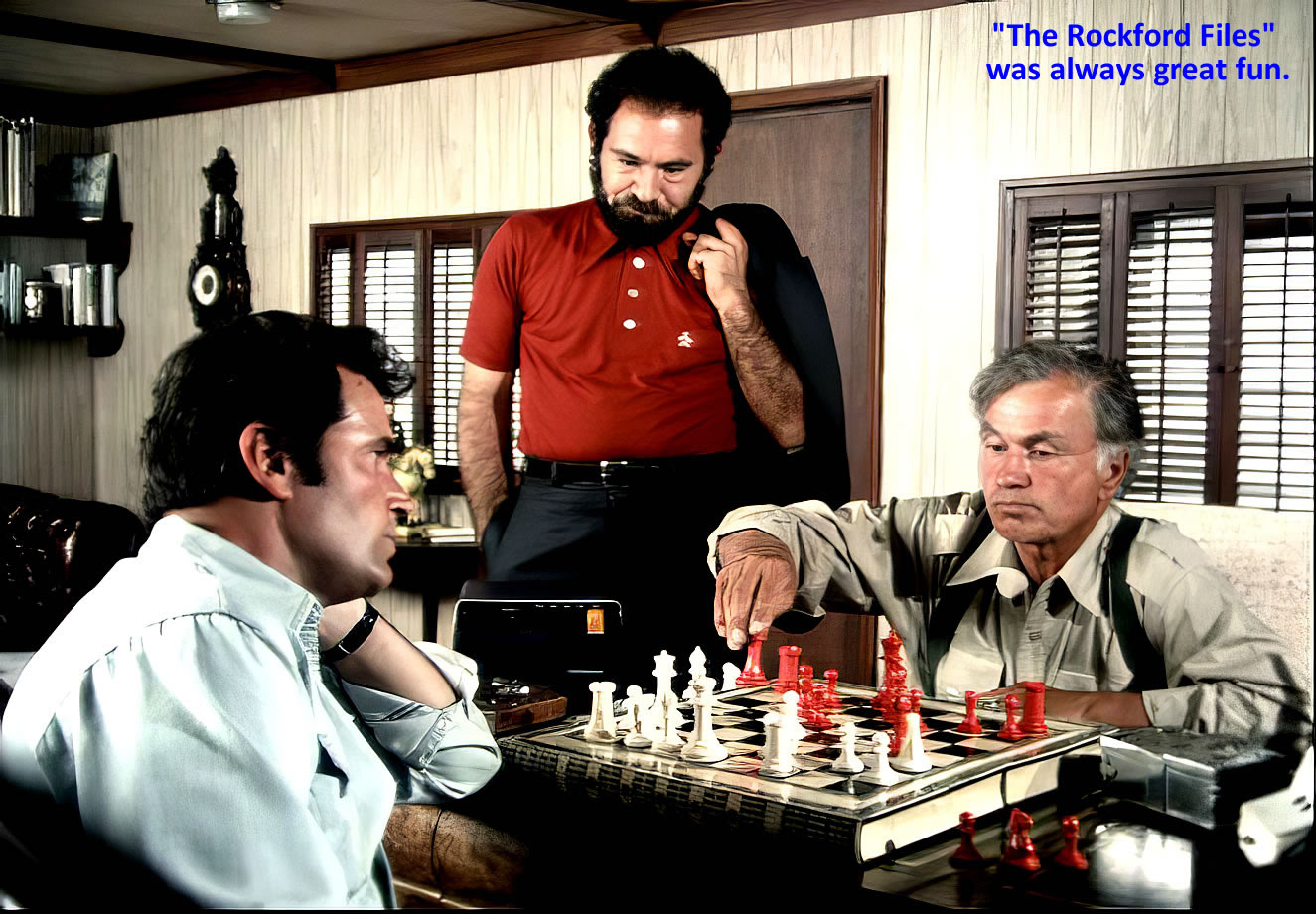
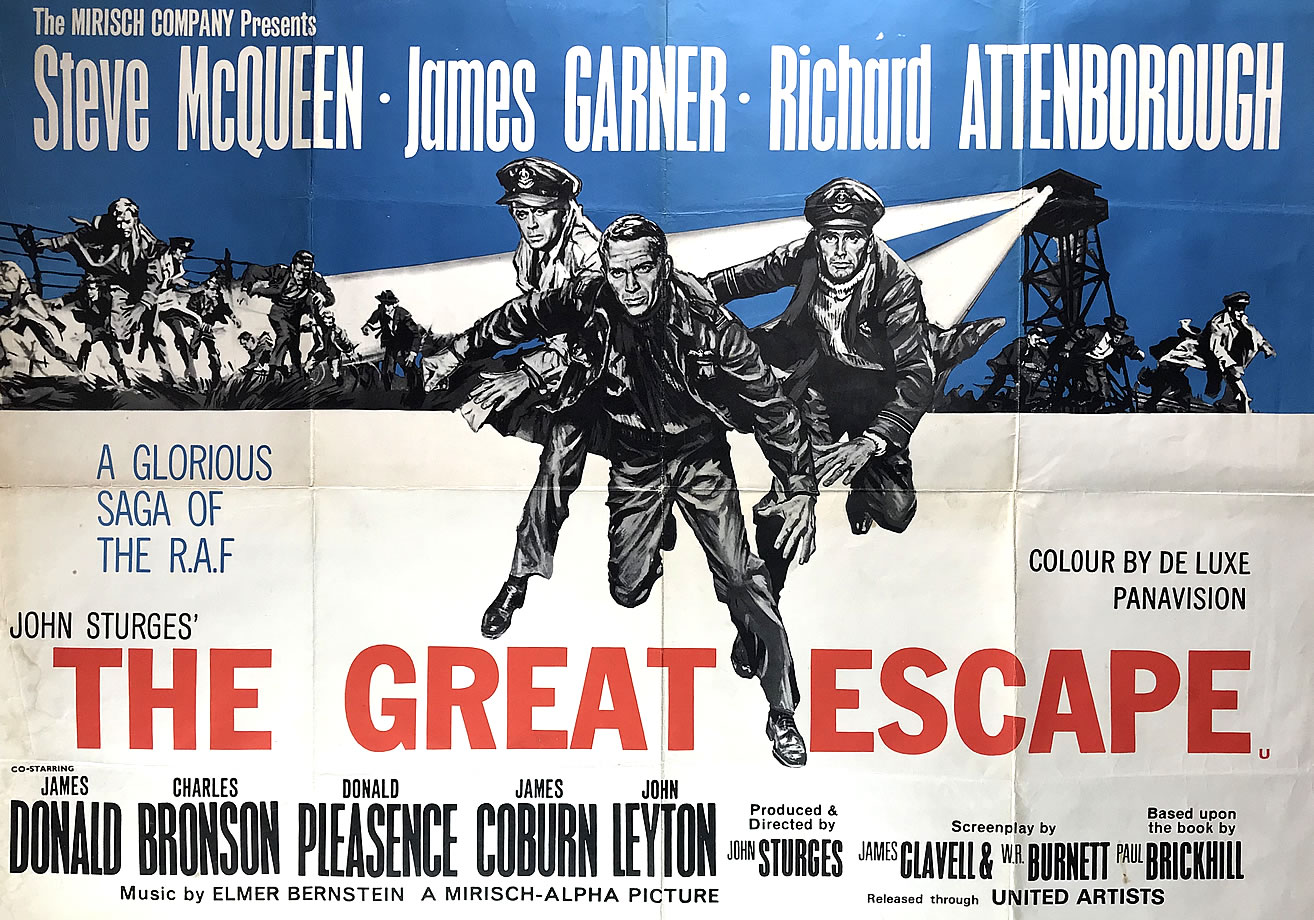
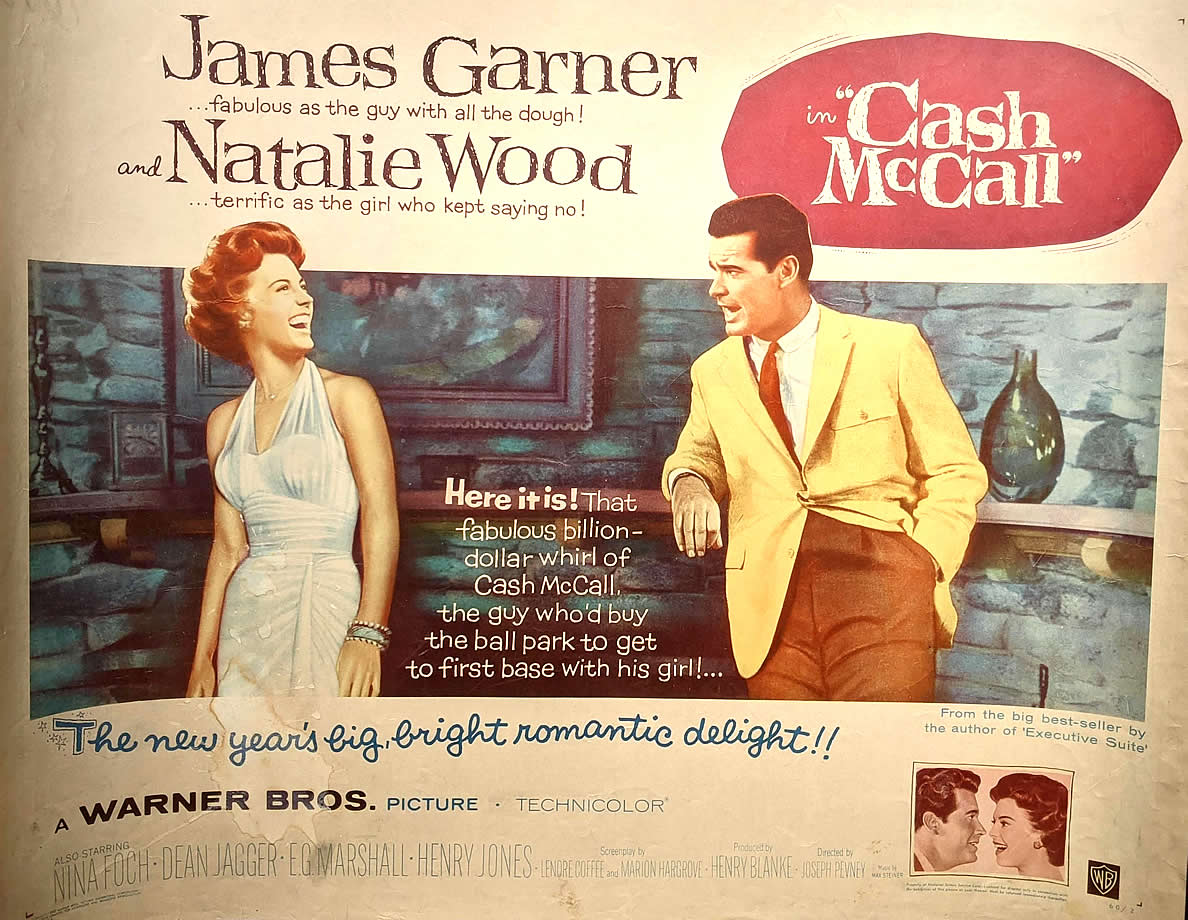
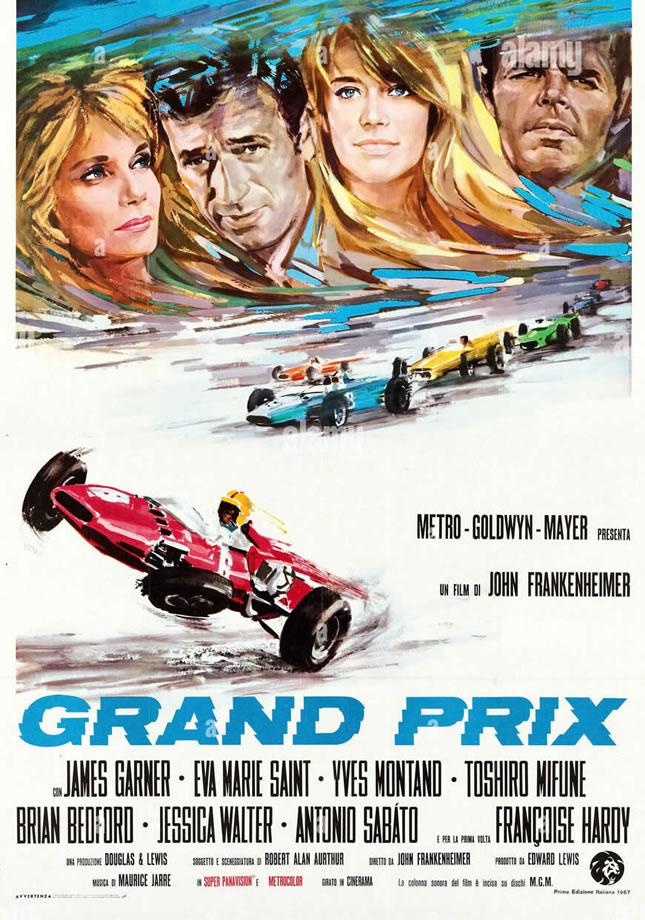
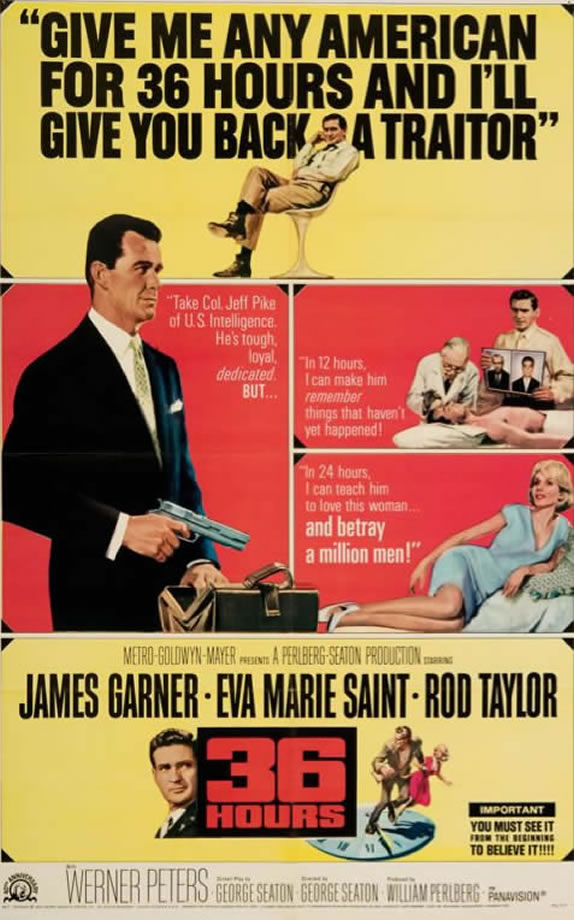
James Scott Garner (né Bumgarner; April 7, 1928 – July 19, 2014) was an American actor. He played leading roles in more than 50 theatrical films, which included The Great Escape (1963) with Steve McQueen; Paddy Chayefsky's The Americanization of Emily (1964) with Julie Andrews; Cash McCall (1960) with Natalie Wood; The Wheeler Dealers (1963) with Lee Remick; Darby's Rangers (1958) with Stuart Whitman; Roald Dahl's 36 Hours (1965) with Eva Marie Saint; as a Formula 1 racing star in Grand Prix (1966); Raymond Chandler's Marlowe (1969) with Bruce Lee; Support Your Local Sheriff! (1969) with Walter Brennan; Blake Edwards's Victor/Victoria (1982) with Julie Andrews; and Murphy's Romance (1985) with Sally Field, for which he received an Academy Award nomination. He also starred in several television series, including popular roles such as Bret Maverick in the ABC 1950s Western series Maverick and as Jim Rockford in the NBC 1970s private detective show, The Rockford Files. Garner's career and popularity continued into the 21st century with films such as Space Cowboys (2000) with Clint Eastwood; the animated film Atlantis: The Lost Empire (2001) (voice work) with Michael J. Fox and Cree Summer; The Notebook (2004) with Gena Rowlands and Ryan Gosling; and in his TV sitcom role as Jim Egan in 8 Simple Rules (2003–2005). Military service Garner enlisted in the California Army National Guard, serving his first 7 months in California. He was deployed to Korea during the Korean War, and spent 14 months as a rifleman in the 5th Regimental Combat Team, then part of the 24th Infantry Division. He was wounded twice: in the face and hand by fragmentation from a mortar round, and in the buttocks by friendly fire from U.S. fighter jets as he dove into a foxhole. Garner would later joke that "there was a lot of room involving my rear end. How could they miss?" Garner received the Purple Heart in Korea for his initial wounding. He also qualified for a second Purple Heart (for which he was eligible, since he was hit by friendly fire which "was released with the full intent of inflicting damage or destroying enemy troops or equipment"), but did not actually receive it until 1983, 32 years after the event. This was apparently the result of an error which was not rectified until Garner appeared on Good Morning America in November 1982, with presenter David Hartman making inquiries "after he learned of the case on his television show". At the ceremony where he received his second Purple Heart, Garner understated: "After 32 years, it's better to receive this now than posthumously". Reflecting on his military service, Garner recalled: "Do I have fond memories? I guess if you get together with some buddies it's fond. But it really wasn't. It was cold and hard. I was one of the lucky ones." |
| James Garner once walked away from a hit show without a backup plan — because the studio tried to cheat him, and he refused to be anyone's pawn, not even in Hollywood's.
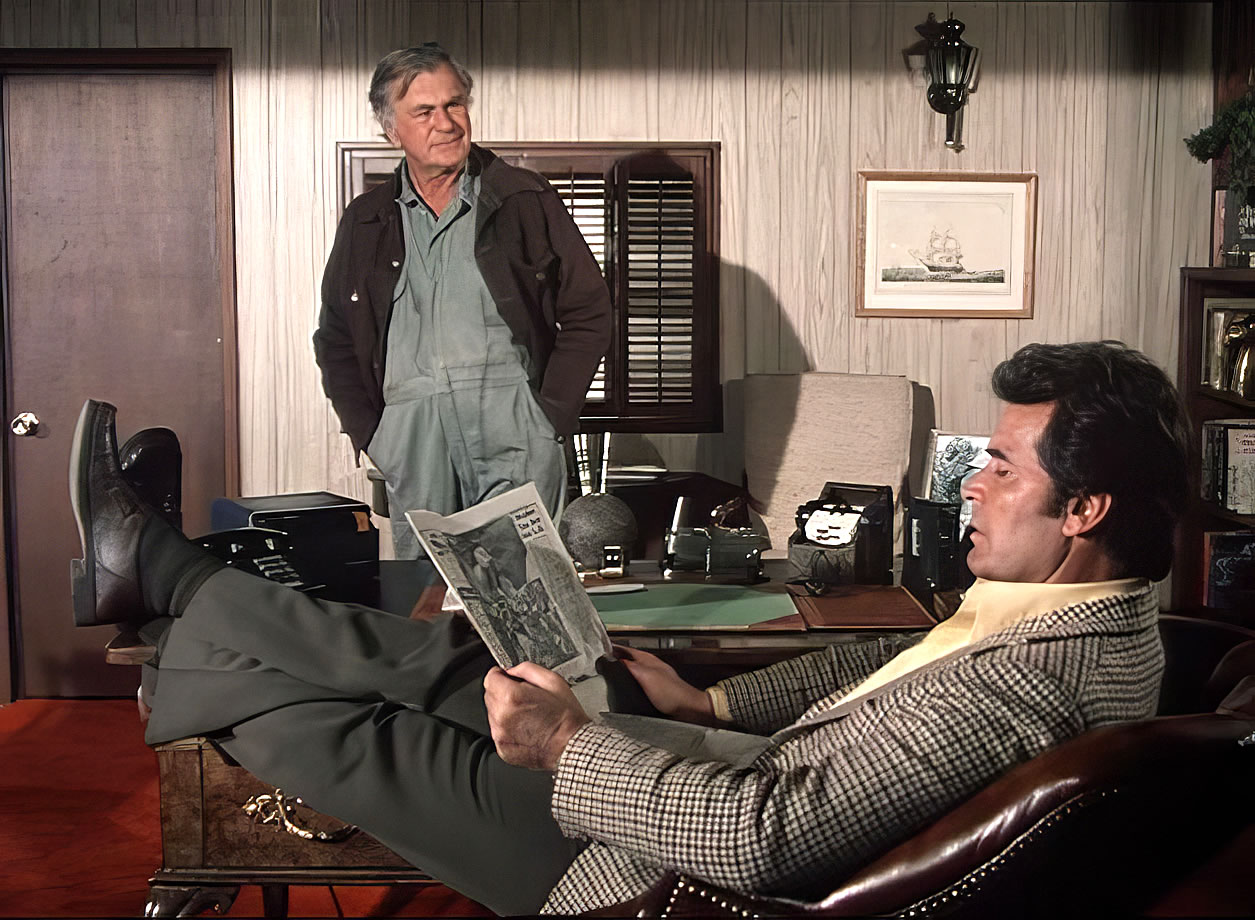
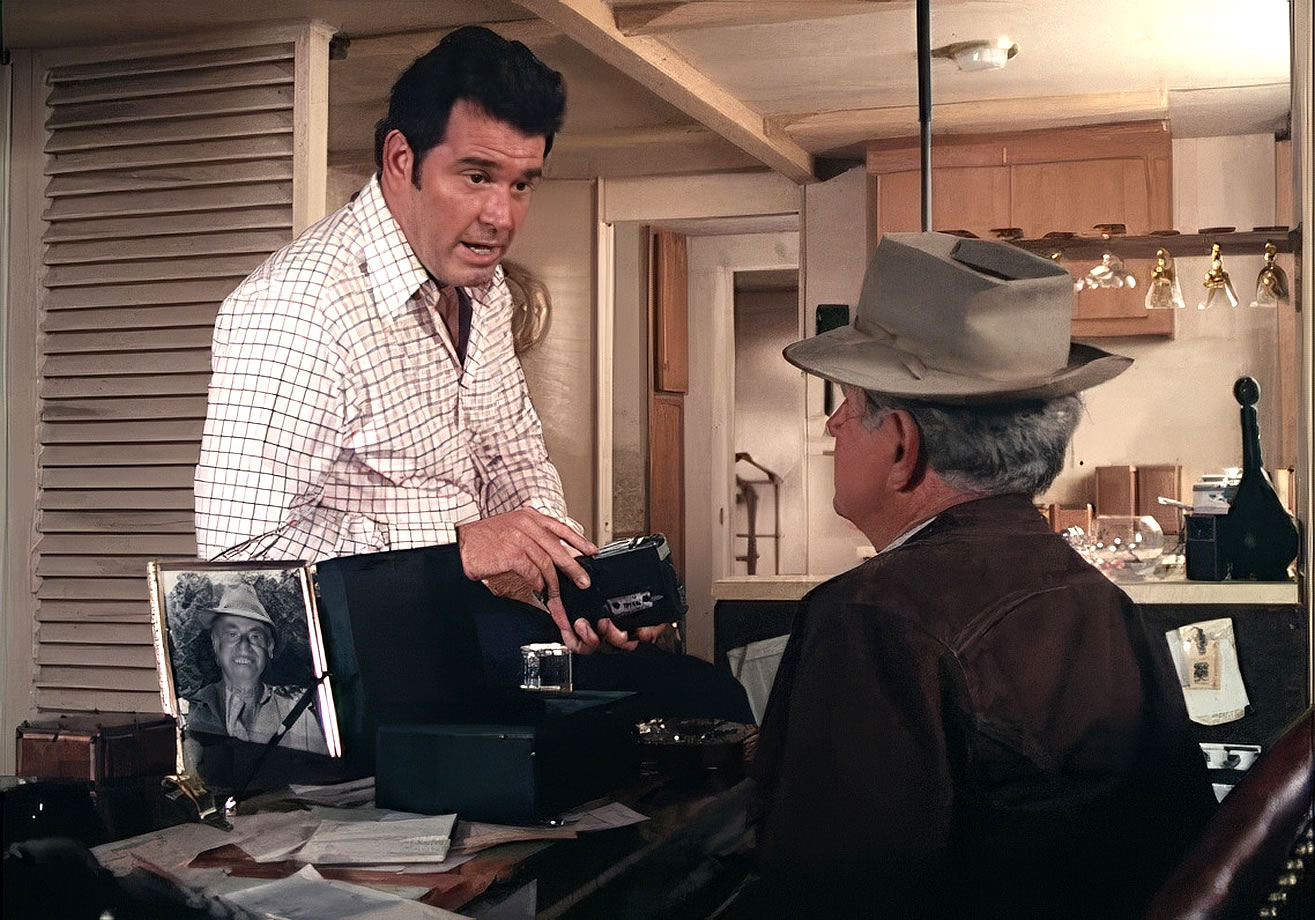
To millions, he was the effortless charmer — Maverick, Jim Rockford, the guy with the crooked smile who always had the perfect comeback. But that unshakeable calm wasn't acting. It was survival. Earned through war, poverty, and a childhood that would have broken most people. He grew up in Depression-era Oklahoma, dirt-poor and motherless by five years old. His stepmother beat him with whatever was within reach — spatulas, wire hangers, closed fists. The violence was constant, the fear worse. At 14, something shifted. He fought back. She left. He never forgot what that moment taught him: silence isn't strength. Standing up — even when it costs you everything — is. At 25, he was drafted and sent to Korea. Wounded twice in combat, he came home with two Purple Hearts and a permanent limp, carrying scars no camera would ever show. Hollywood wasn't his dream — he stumbled into it modeling suits for a friend. But once the door opened, he walked through it on his own terms. Garner made it clear from day one: he wouldn't play their game. He clashed with studios over exploitative contracts, refused manipulative PR stunts, and did the unthinkable — sued Warner Bros. for unpaid wages while still under contract. Industry insiders told him it was career suicide. He did it anyway. And he won. What made Garner brilliant wasn't flash or volume. It was restraint. He never overacted, never shouted his way through a scene. He trusted the pause, the glance, the subtle shift in tone. On The Rockford Files, he performed his own stunts until his body gave out, often leaving set bleeding and bruised. Quietly, without speeches or grand gestures, he redefined masculinity on television: clever instead of tough, funny instead of stoic, weary but deeply, unshakably decent. Off-camera, he stayed married to the same woman for nearly 60 years. He battled heart disease, depression, and lifelong anxiety with the same quiet grit he brought to every role — never letting fear write the script. James Garner didn't chase fame. He chased fairness, truth, and the right to walk through the world with dignity — in an industry that rarely rewards any of those things. He didn't just play the man who outsmarted the system. He was the man who looked the system in the eye, told it to go to hell — and kept walking forward anyway. James Garner once spent a night in jail—not because of a scandal or a barroom fight, but because he joined civil rights marchers in the 1960s. The star of Maverick and later The Rockford Files didn’t call the press or pose for cameras. He simply showed up in his hometown of Norman, Oklahoma, walked with the demonstrators, and when police began making arrests, he went along quietly with the rest of them. That moment says a lot about why people connected with him so strongly. Garner wasn’t acting that day. Off screen he was much like the characters he played—men who never chased attention but stepped forward when something important needed doing. His heroes were often reluctant ones, and that was how he lived too.
People who met him away from a film set often said the same thing: he was surprisingly ordinary in the best way. He would pause to talk with strangers in grocery stores, carry his own bags, and laugh whenever someone mentioned Rockford. Hollywood parties never interested him. He didn’t surround himself with security, and he loved poking fun at his own celebrity. Once, when a fan awkwardly approached his table for an autograph and apologized for disturbing his dinner, Garner smiled and replied: “I’ve had worse interruptions. Pull up a chair.” The two ended up sharing the meal.
Life behind the scenes wasn’t always easy, though. Garner dealt with constant pain from injuries he suffered during the Korean War and from years of performing many of his own stunts. Friends remembered seeing him stretched out on the floor between takes, trying to ease the pain. When the cameras started rolling, he would stand up, shake it off, and step right back into the scene. He refused to let either pain or Hollywood wear him down.
What made Garner special was that sense of familiarity. He wasn’t a distant, untouchable movie idol. He felt like someone you might know—a neighbor, an uncle, the older friend who always seemed steady when things got difficult. When he marched for civil rights, when he joked with strangers in diners, when he pushed through injuries to finish a scene, he reminded people of something simple but powerful: decency, courage and humor can all live in the same person.
|
 |
 |
 |
 |
 |
 |
 |
 |
 |
|
 |
 |
|
 |