 |
 |
 |

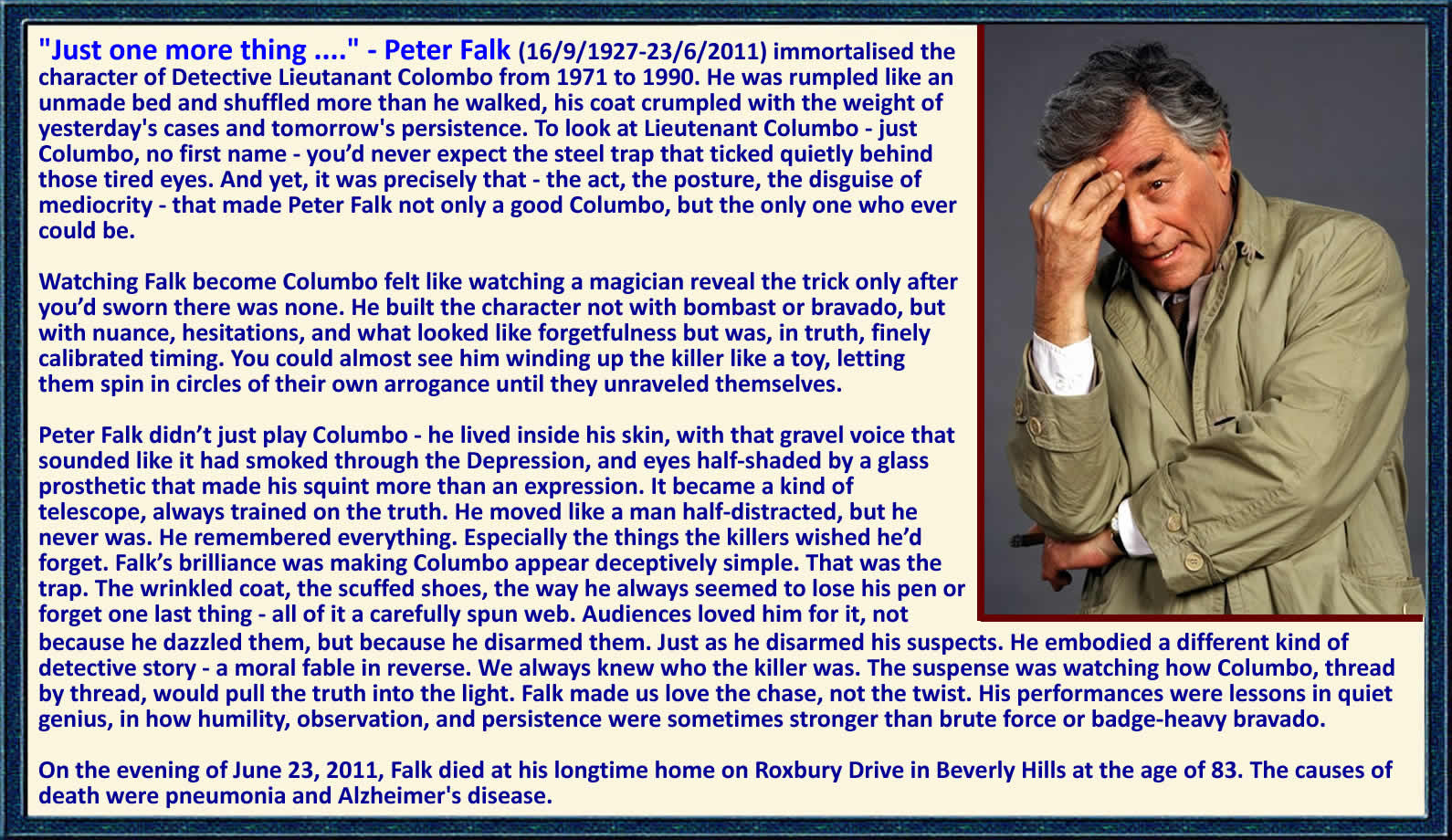
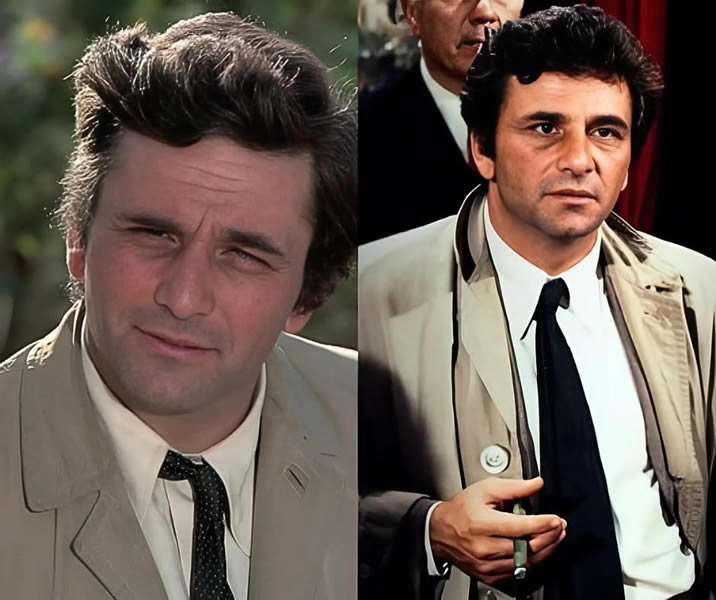
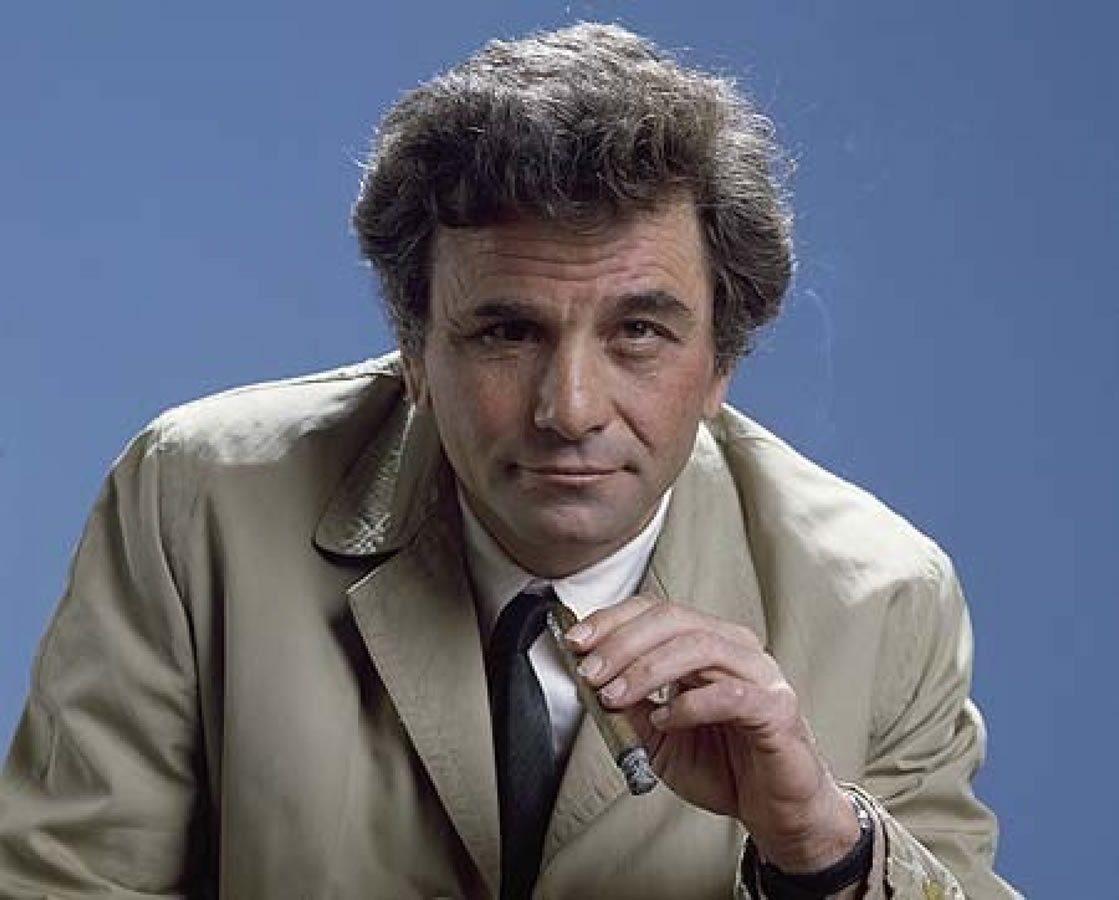
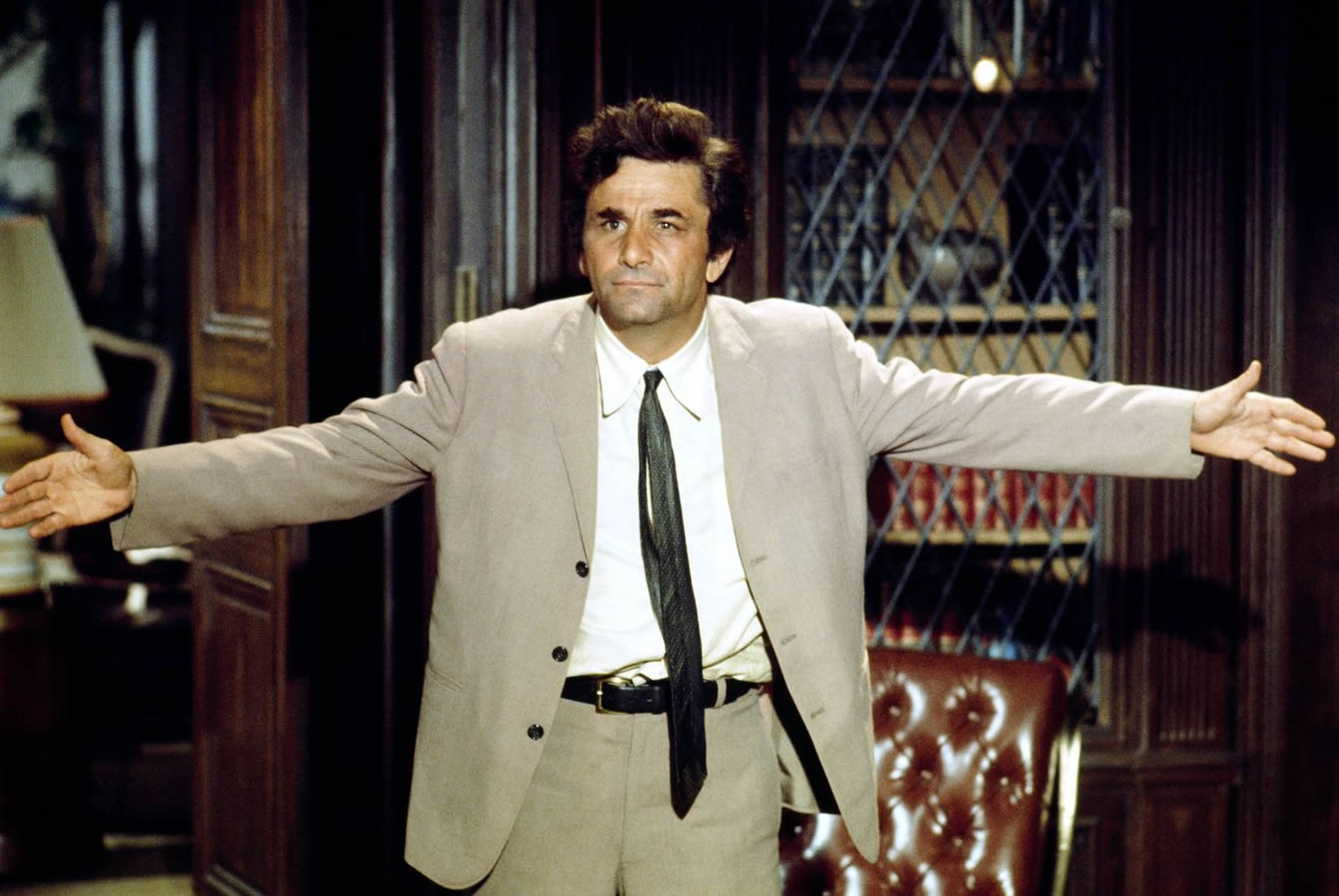
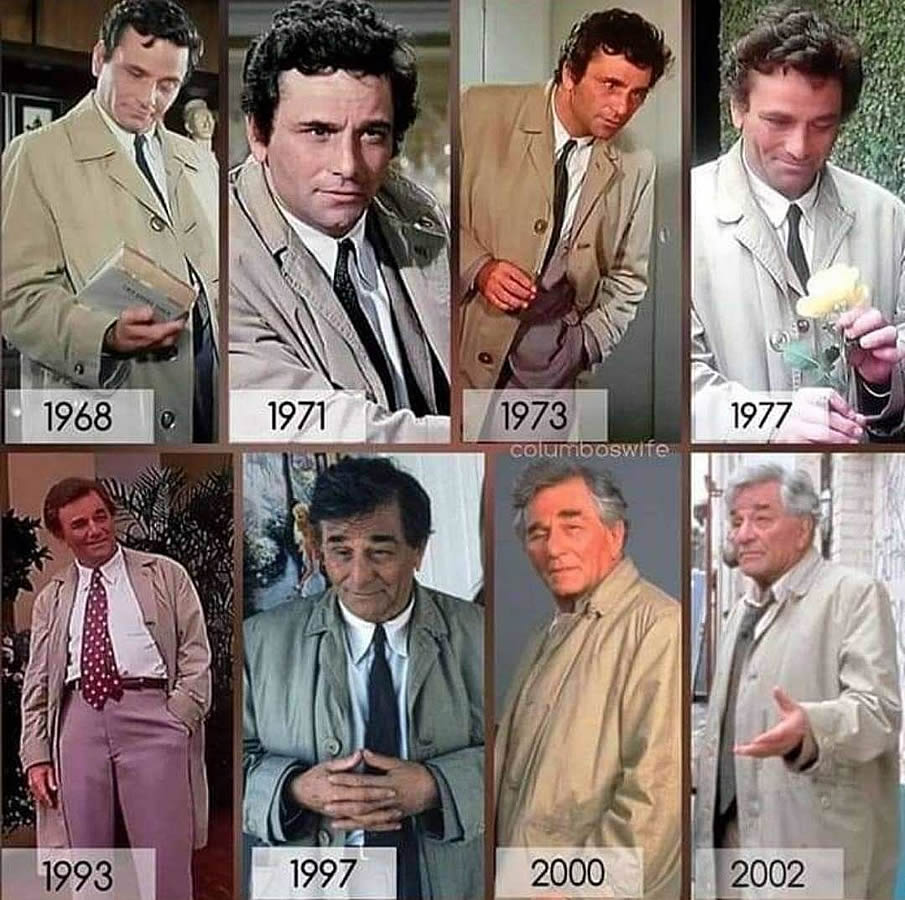
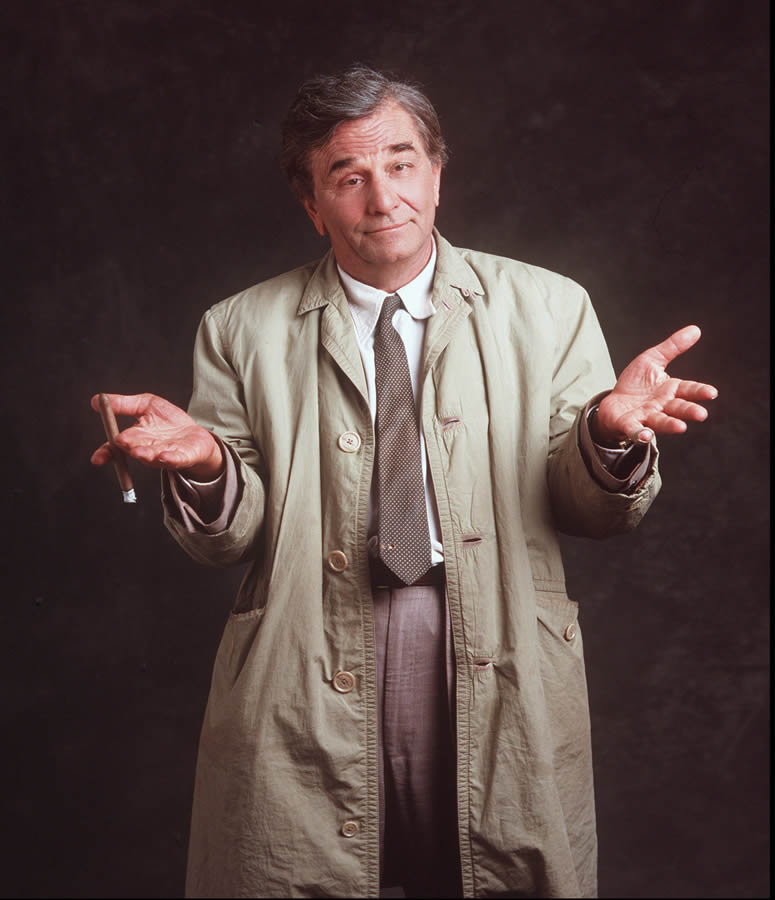
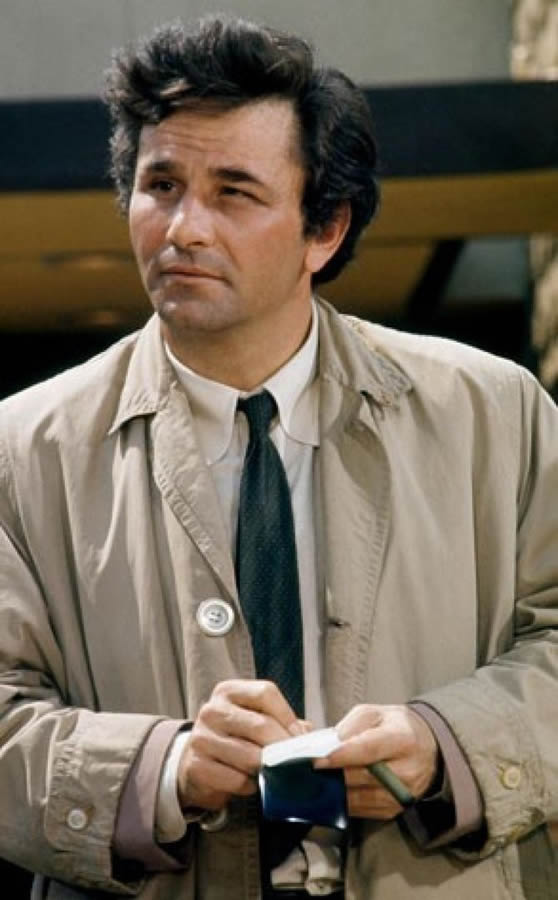
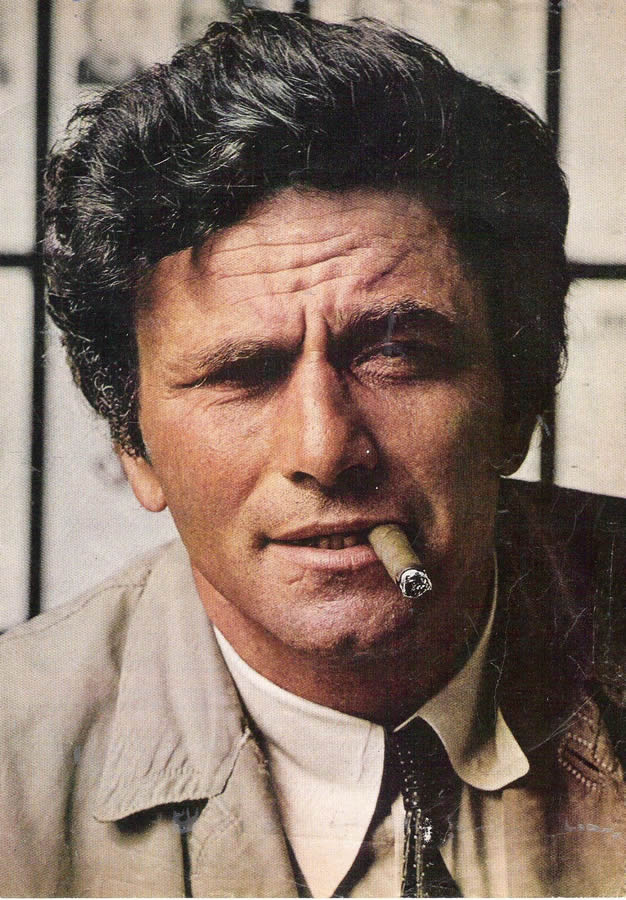
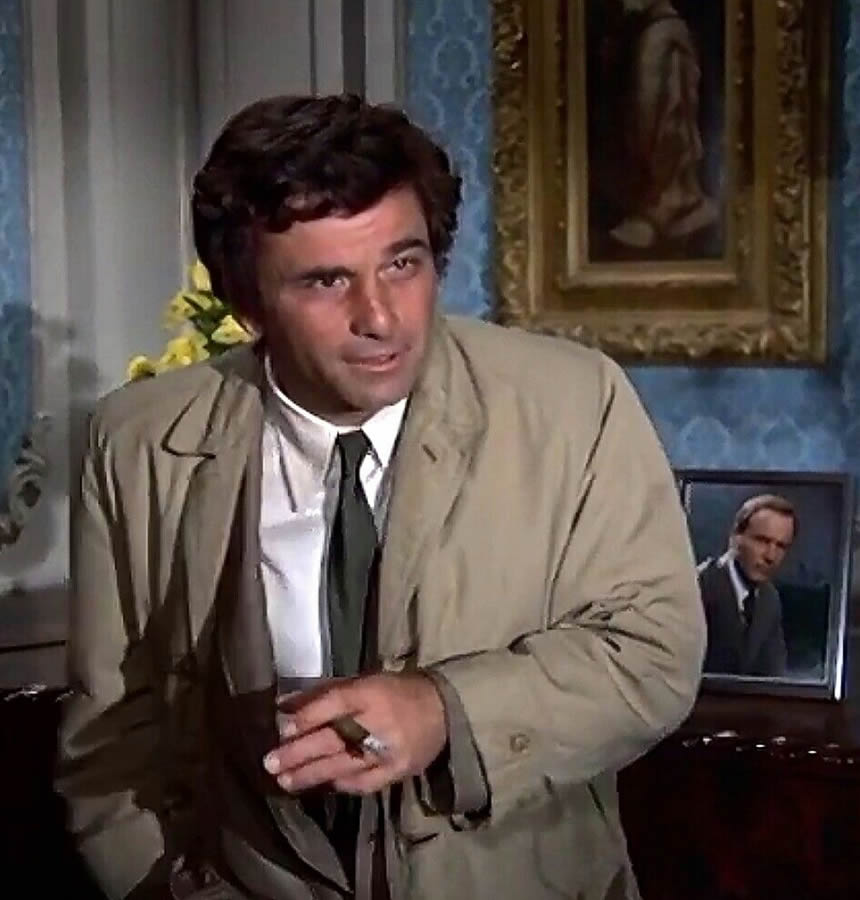
| Peter Falk walked into the cramped New York studio on February 15, 1968, carrying nothing but a tattered script for "Columbo" and a cast iron resolve that would define his life. Everyone expected another struggling character actor in a sea of faces, but Falk had already endured polio as a child, a failed marriage, and years of auditions that ended in polite rejections. His brown eyes, one glass from a childhood surgery, betrayed a stubborn intelligence, and he refused to let the industry’s labels dictate his worth. Falk’s first meeting with creator Richard Levinson was tense. “We don’t want a conventional detective,” Levinson said. The network wanted a polished hero, smooth and unshakable. Falk, who had studied under the Method but preferred improvisation, insisted: “If you want him real, you have to let him be flawed. Let him stumble. Let him hum while solving it.” It was a gamble. The pilot’s budget was $125,000, tight enough that Falk’s own raincoat - battered and gray - became part of the character’s signature. During filming, Falk improvised constantly. On set at Stage 8, Universal Studios, he stuffed his trench coat pockets with fake cigarettes and used them as props, a small gesture that became a hallmark of Columbo’s nervous energy. When a camera angle failed to capture a nuance, Falk repeated the line until subtle hesitations appeared, creating a rhythm that made audiences feel as though the detective was thinking aloud. Fellow actor Jack Cassidy recalled, “He could disappear inside a scene and make you forget he was acting. That was Peter.” The risk was immense. Networks called him eccentric; studio executives grumbled about “that scruffy little man” who refused conventional charm. Falk was paid $7,500 per episode while CBS’s star leads earned upwards of $35,000. He could have conformed, taken cosmetic changes, smoothed his voice, and walked a safer path - but he refused. He walked out of fittings that tried to erase Columbo’s quirks. He turned down scripts that wanted him glamorous instead of authentic. His rebellion was quiet, but it saved the show from mediocrity. Falk’s insistence on authenticity created moments audiences never anticipated. In “M**der by the Book,” he spent two full takes pacing around a suspect, adjusting his tie nervously, muttering a half-forgotten line of Shakespeare to himself. Camera operators whispered about the genius unfolding. Nielsen ratings exploded - "Columbo" became a cultural touchstone without ever flaunting his intellect. Even behind the camera, Falk mentored young actors. At a rehearsal on October 12, 1973, he advised a nervous guest star: “Don’t play them; let them play themselves. That’s where the truth lives.” His guidance shaped careers quietly, a ripple effect unseen by viewers but monumental to those who worked with him. "Columbo" ran for decades, and Falk remained fiercely protective of its integrity. He refused lucrative spin-offs that diluted the character, refused cosmetic surgery to match Hollywood ideals, and turned down $500,000 offers to appear in projects that compromised his principles. By 1995, when production slowed, critics reflected on his quiet revolution: an actor who made imperfection magnetic, intelligence intimate, and humanity central. Peter Falk wasn’t just a detective on screen. He was a mentor to actors, a hidden rebel against studio conformity, and a master of subtlety. His trench coat, cigarette, and hesitant cadence weren’t affectations - they were declarations of authenticity in an industry that rewarded gloss over grit. “If you can see the humanity,” he once said, “the rest will follow.” |
 |
 |
 |
 |
 |
 |
 |
 |
|
 |
 |
|
 |