 |
 |
 |

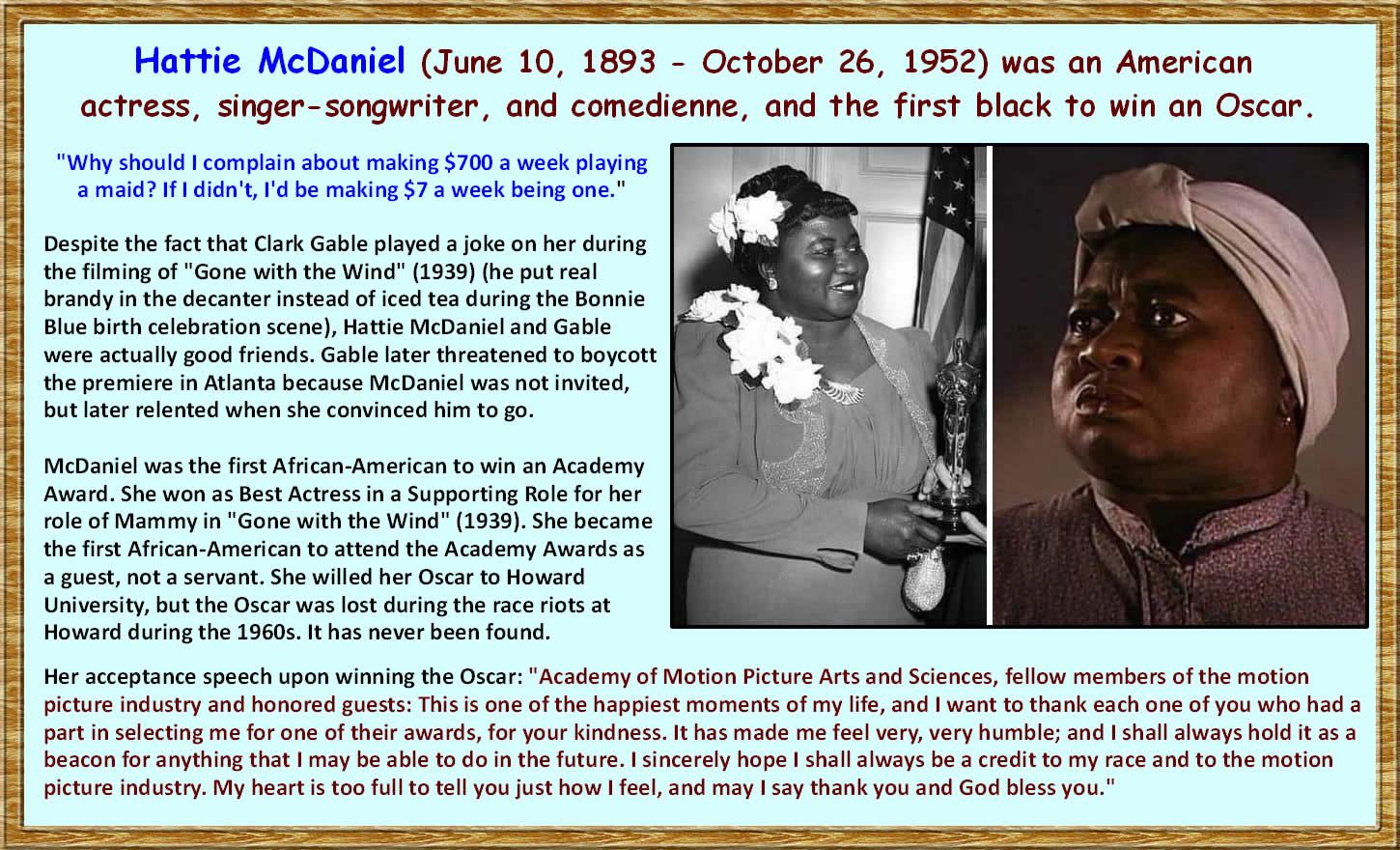
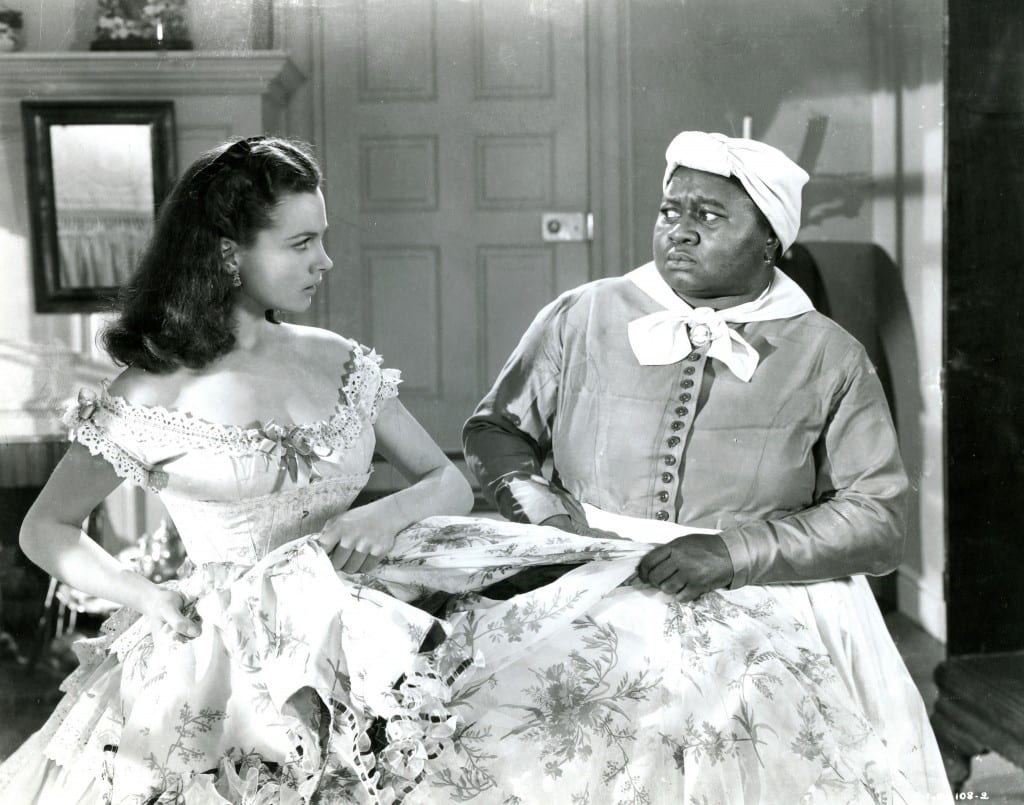
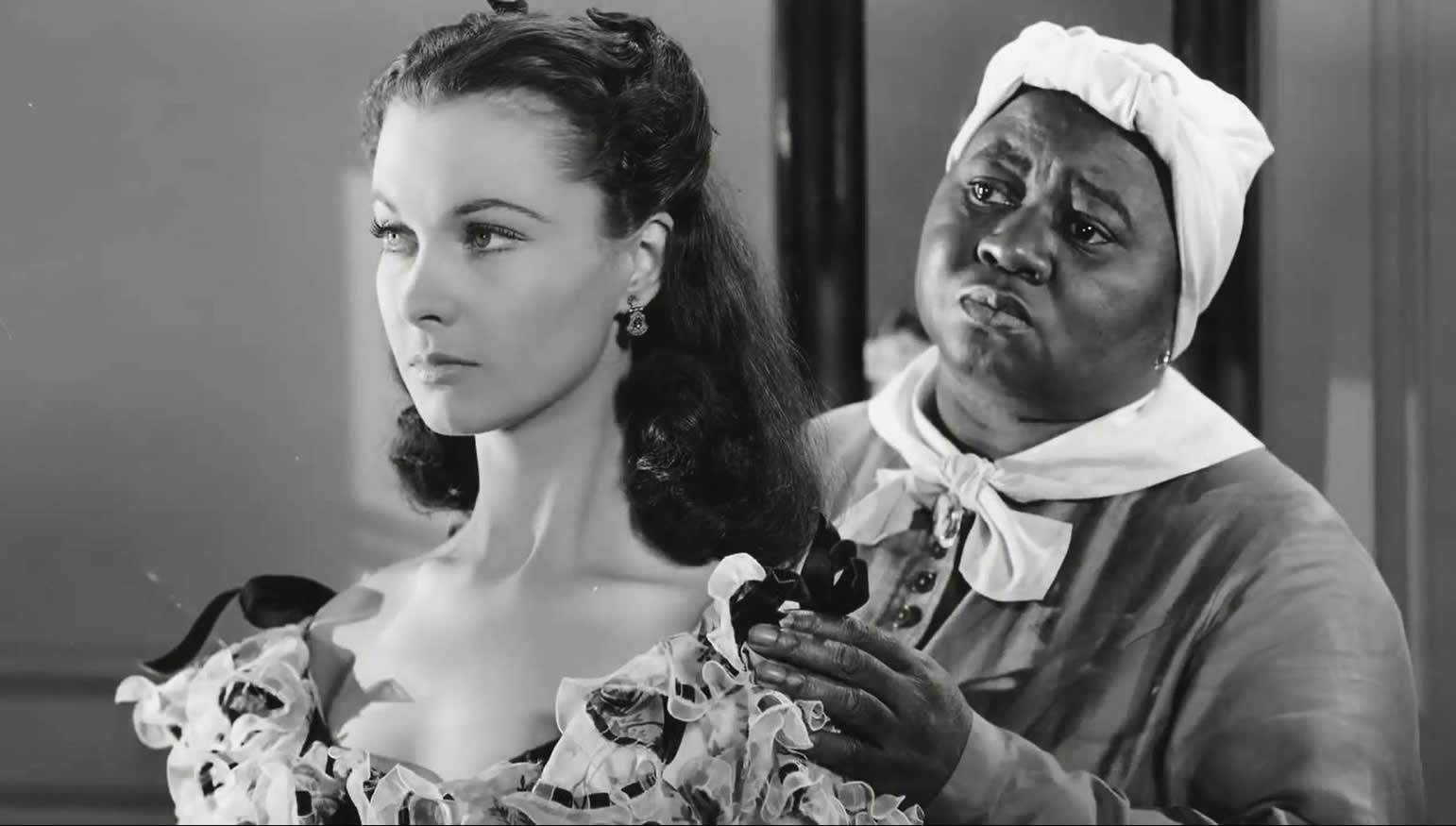
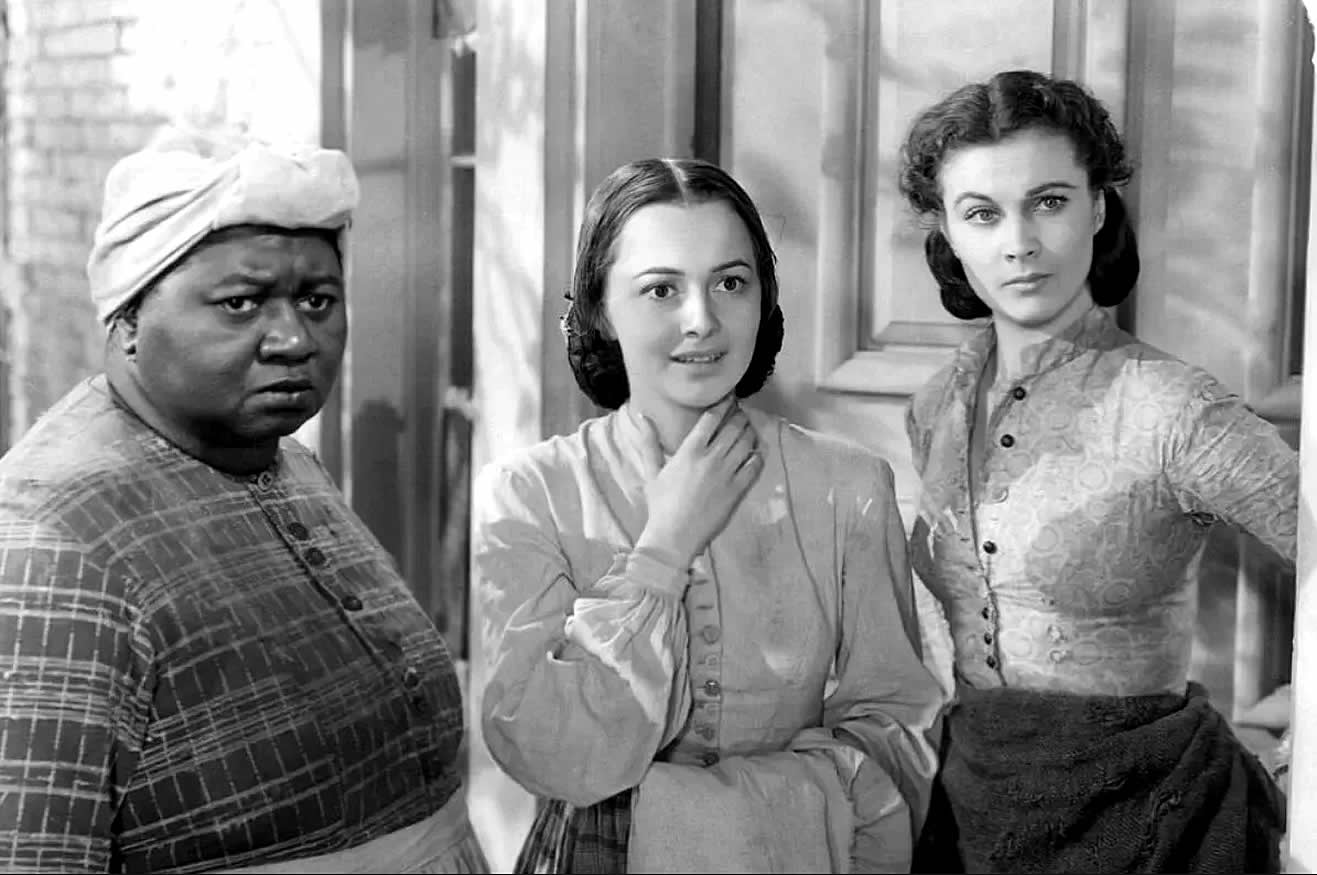
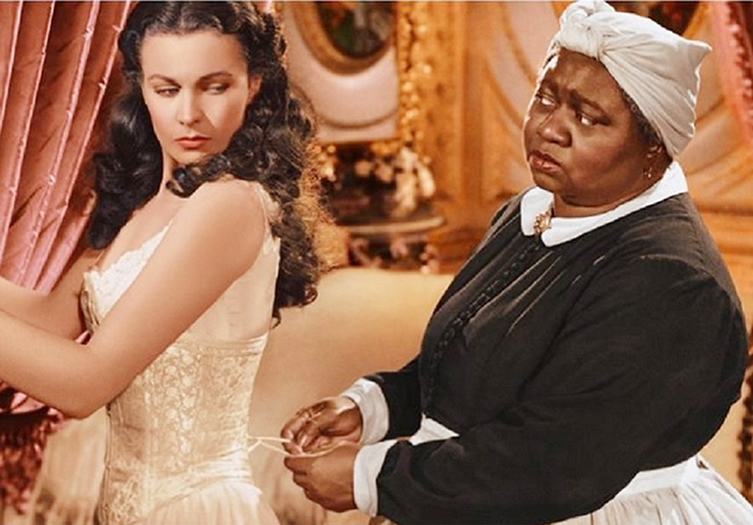
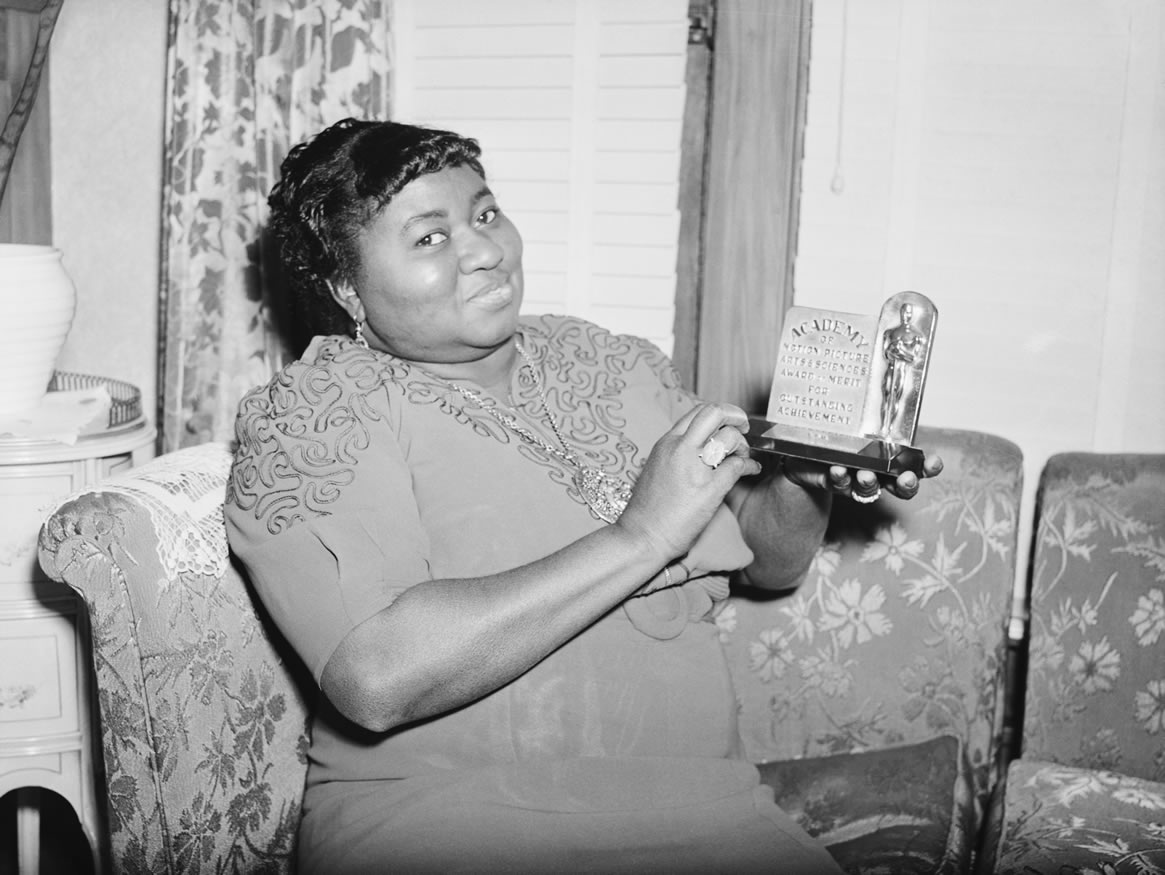
Hattie McDaniel made history and NOBODY came to ask her a single question. Every other "Gone with the Wind" winner was interviewed that night, but she walked back to her segregated table in the back of a whites-only hotel and sat there alone: the first Black Oscar winner, invisible before the applause even stopped.
Every other winner from "Gone with the Wind" was interviewed after the ceremony on February 29, 1940. Every single one except Hattie McDaniel.
She had just become the first Black person in history to win an Academy Award. The ceremony was held at the Cocoanut Grove nightclub of the Ambassador Hotel in Los Angeles, a building with a strict no-Blacks policy.
Producer David O. Selznick had to call in a personal favor just to get her through the door.
Even then, she was not led to the"Gone with the Wind" table. So the Hollywood Victory Committee created a Negro Division. They needed someone to run it, someone with enough celebrity to attract performers and enough personal conviction to do the work that nobody with real power considered a priority. They chose the woman who had walked back to her table against the wall without a single interviewer in pursuit. Hattie McDaniel took the job. She was already a member of American Women's Voluntary Services. She had already done NBC radio broadcasts with actor Clarence Muse, one of the first Black members of the Screen Actors Guild, raising money for Red Cross relief programs. She enlisted her friend Leigh Whipper, a veteran stage actor who had been the first Black member of Actors' Equity Association and a founder of the Negro Actors Guild. She brought in Lena Horne, whose voice could stop a room before the first verse was finished. She brought in Ethel Waters, who had been a neighbor on Sugar Hill and one of the most celebrated performers in America. And she did what she had been doing her whole life, which was organize. From January 1942 through August 1945, the Negro Division of the Hollywood Victory Committee brought music, comedy, and the feeling of being seen to Black soldiers at military bases and hospitals across the country. McDaniel herself made personal appearances, threw parties for the troops, performed at USO shows, and led war bond rallies. There is a photograph from 1942 that shows McDaniel leading a caravan of entertainers from her Los Angeles home to Minter Field, an Army Air Force base in Shafter, California. Minter Field was one of the only racially integrated bases in the country before desegregation in 1948, and it trained more than 11% of the Army Air Force's pilots during the war. The base had a building called the Blue Moon auditorium, built specifically as a gathering space for Black soldiers. McDaniel helped dedicate that building in 1943, performing on a stage that was milled on-site from local wood. Think about the address those cars pulled away from. 24th Street, West Adams Heights, the neighborhood known as Sugar Hill. McDaniel had purchased her house there in 1942, a white, two-story, seventeen-room mansion with a library, a butler's pantry, four bedrooms, and a basement. By the time she bought it, several other Black entertainers had moved into the neighborhood, including Ethel Waters and Louise Beavers, paying fifteen thousand dollars and up for the old mansions. But some of the original white residents did not want Black neighbors. The West Adams Heights tract had been laid out in 1902 with a restrictive covenant prohibiting the sale or lease of property to people of color. Most of those restrictions had expired by the mid-1930s, but white homeowners went to court anyway, trying to force Black families out. McDaniel took the lead, held meetings at her home, organized around thirty Black residents, and gathered approximately 250 sympathizers to accompany her to court. The case was heard in December 1945 by Superior Judge Thurmond Clarke. McDaniel's attorney was Loren Miller, a civil rights lawyer who also edited and published "The California Eagle". After hearing arguments, Judge Clarke adjourned for the day so he could personally visit the neighborhood. The next morning, he threw the case out. He said it was time that members of the Negro race were accorded, without reservations or evasions, the full rights guaranteed them under the Fourteenth Amendment. He said judges had been avoiding the real issue too long. That ruling helped lay the groundwork for the Supreme Court's 1948 Shelley v Kraemer decision, which struck down racial restrictive covenants nationwide. Almost nobody gives McDaniel credit for that. So that seventeen-room house was the base from which she fought to keep her home. It was also the base from which she organized entertainment for soldiers who were fighting for a country that tried to evict her from hers.
She drove those caravans past the same streets where her neighbors wanted her gone. She loaded performers into cars and headed toward men in uniform who could not eat in the same mess hall as the white soldiers they trained beside.
One of the performers who climbed into that caravan was Bette Davis. Davis was the only white member of McDaniel's troupe.
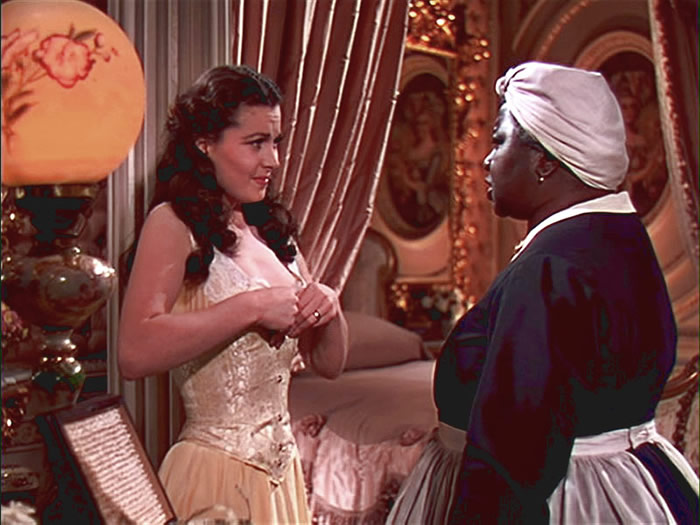
In 1942, the Hollywood Reporter noted Davis joining a group of Black entertainers to celebrate the anniversary of one of the most famous Black regiments. This was the same Bette Davis who had co-starred with McDaniel in the Warner Brothers film "In This Our Life" that same year, where McDaniel played a domestic whose son, a law student, is wrongly accused of manslaughter.
That film has been called one of the most significant Black female roles of its era. Davis and McDaniel were friends. She could have performed anywhere, for anyone. She chose to stand on stages in front of Black soldiers who had been told by their own country that they did not deserve the same show as the white men fighting the same war.
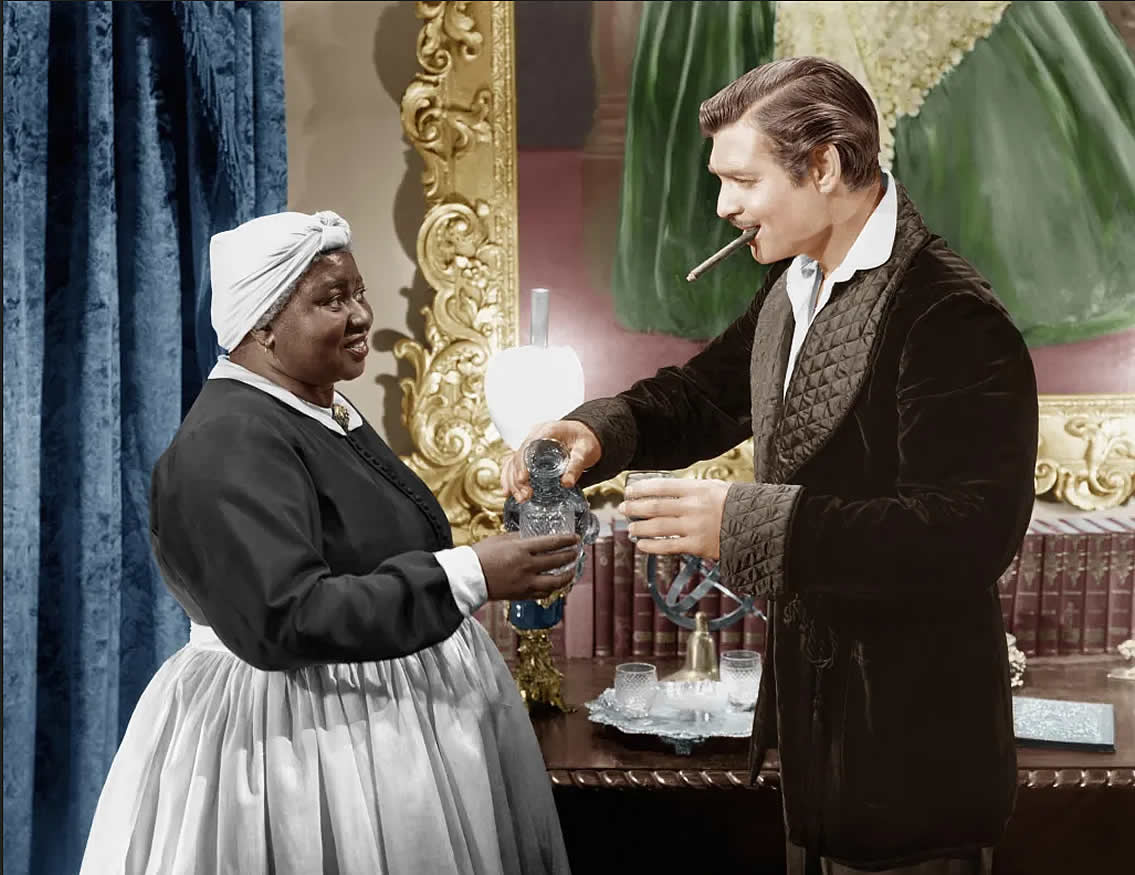
That was what Hattie McDaniel built. Not just a committee, not just a schedule of performances, but a space where dignity existed for people the war effort had decided to forget. Hattie was the youngest of thirteen children, born in Wichita, Kansas, raised in Denver, Colorado. She attended East High School and won a gold medal for reciting poetry before she was old enough to understand what the country had waiting for her. She had been the first Black woman to sing on radio in the United States. She had recorded sixteen blues sides between 1926 and 1929. She had worked as a bathroom attendant at a nightclub in Milwaukee during the Depression because the club hired only white performers, until patrons heard her voice and demanded the owner make an exception. She performed there for more than a year before heading to Los Angeles. She did not arrive in Hollywood expecting kindness. She arrived expecting to work. The work she did with the Victory Committee is the work nobody talks about. Not the Oscar, not the maid roles, not the NAACP criticism, but the quiet, deliberate effort of making sure Black soldiers knew someone saw them. Clark Gable, her close friend, chaired the Caucasian Division of the same committee. He came to her parties at Sugar Hill every year. He had threatened to boycott the "Gone with the Wind" premiere in Atlanta unless McDaniel could attend. She told him to go anyway, and she stayed home, kept out by Georgia's segregation laws. That is what their friendship looked like: close enough to party together, too Black to sit together at their own movie premiere, running parallel committees for the same war because the country could not even unite its entertainers. Hattie McDaniel died of breast cancer on October 26, 1952. She was fifty-seven years old. In her will, she left detailed instructions. She wanted a white casket, a white shroud, white gardenias in her hair and in her hands, a white gardenia blanket, and a pillow of red roses beneath her head. She asked to be buried at Hollywood Cemetery, the resting place of Douglas Fairbanks, Rudolph Valentino, and Gone with the Wind director Victor Fleming. Hollywood Cemetery had a whites-only policy. So the woman who won the first Black Oscar, who could not sit with her co-stars, who could not attend her own premiere, could not be buried where she chose. She was interred instead at Angelus-Rosedale Cemetery, the first in Los Angeles to accept all races. In 1999, new ownership at Hollywood Forever Cemetery offered to exhume and reinter McDaniel's remains. Her family declined, and the cemetery placed a cenotaph in her honor overlooking a lake. She had willed her Oscar plaque to Howard University, hoping it would inspire young Black performers. Her friend Leigh Whipper, from the Victory Committee, donated it to the school in the early 1960s. It sat in a glass case in the drama department until 1972, when it was removed. It has never been seen again. Nobody knows where it went. The same way nobody interviewed her after she won it, and nobody sent the Victory Caravan to Black troops, and nobody would let her be buried in the ground she had earned. But in 2010, Mo'Nique won the Academy Award for Best Supporting Actress for her role in "Precious", and she walked onstage wearing white gardenias in her hair. She stood at the podium and thanked Hattie McDaniel for enduring all that she had to, so that Mo'Nique would not have to: seventy years apart, same flowers, different seat.
Hattie McDaniel never got the interview, the table near the stage, the premiere in Atlanta, or the burial in Hollywood. She got a plaque that vanished, a committee that history forgot, and a garden full of gardenias that she tended herself in a house her neighbors tried to take.
But she also got Lena Horne and Ethel Waters and Bette Davis loading into cars on Sugar Hill. She got Black soldiers at Minter Field hearing music that told them somebody remembered.
She got a judge who walked through her neighborhood and decided, for once, that the Constitution meant what it said. She got the work. |
 |
 |
 |
 |
 |
 |
 |
 |
 |
 |
 |