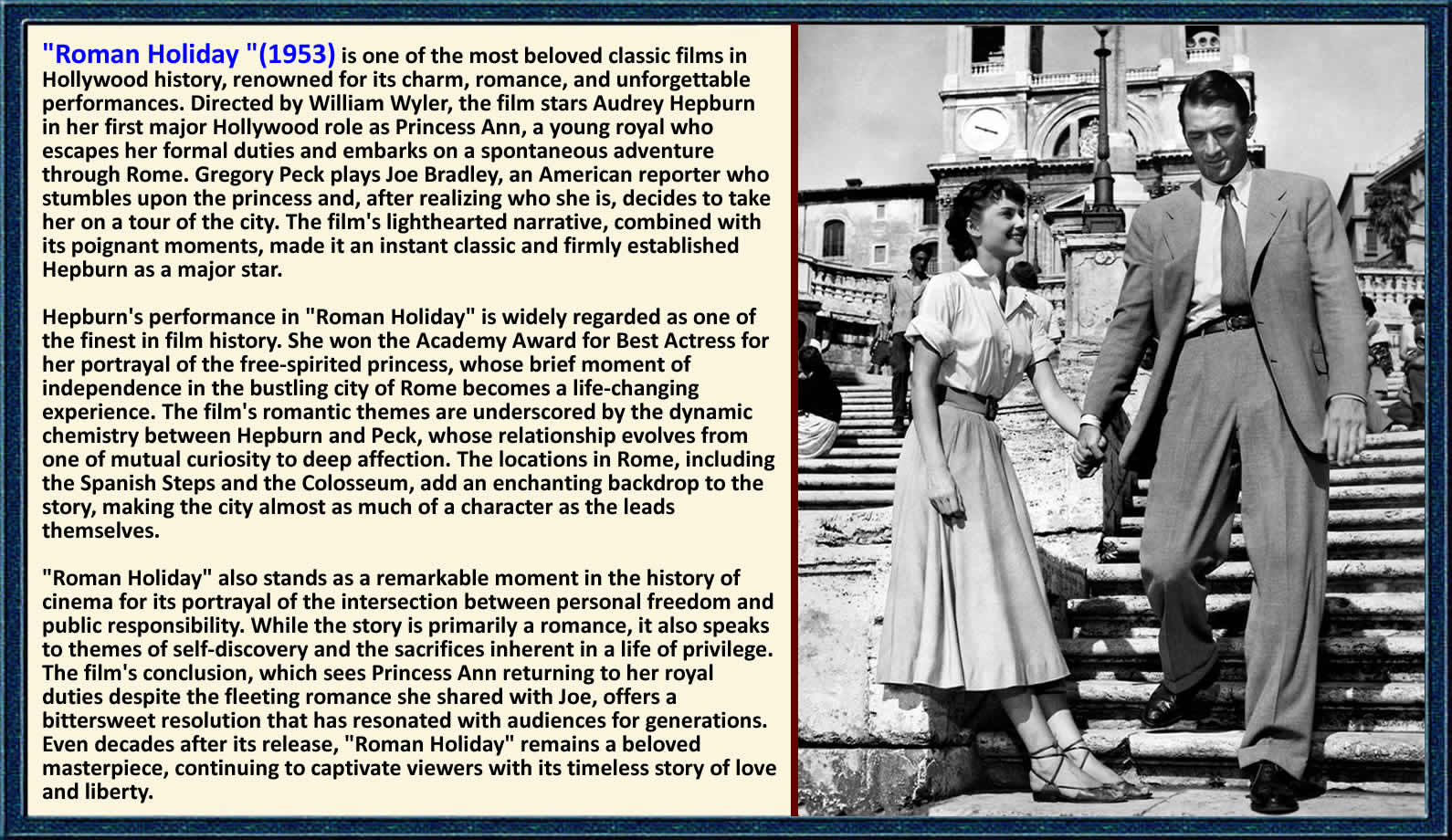
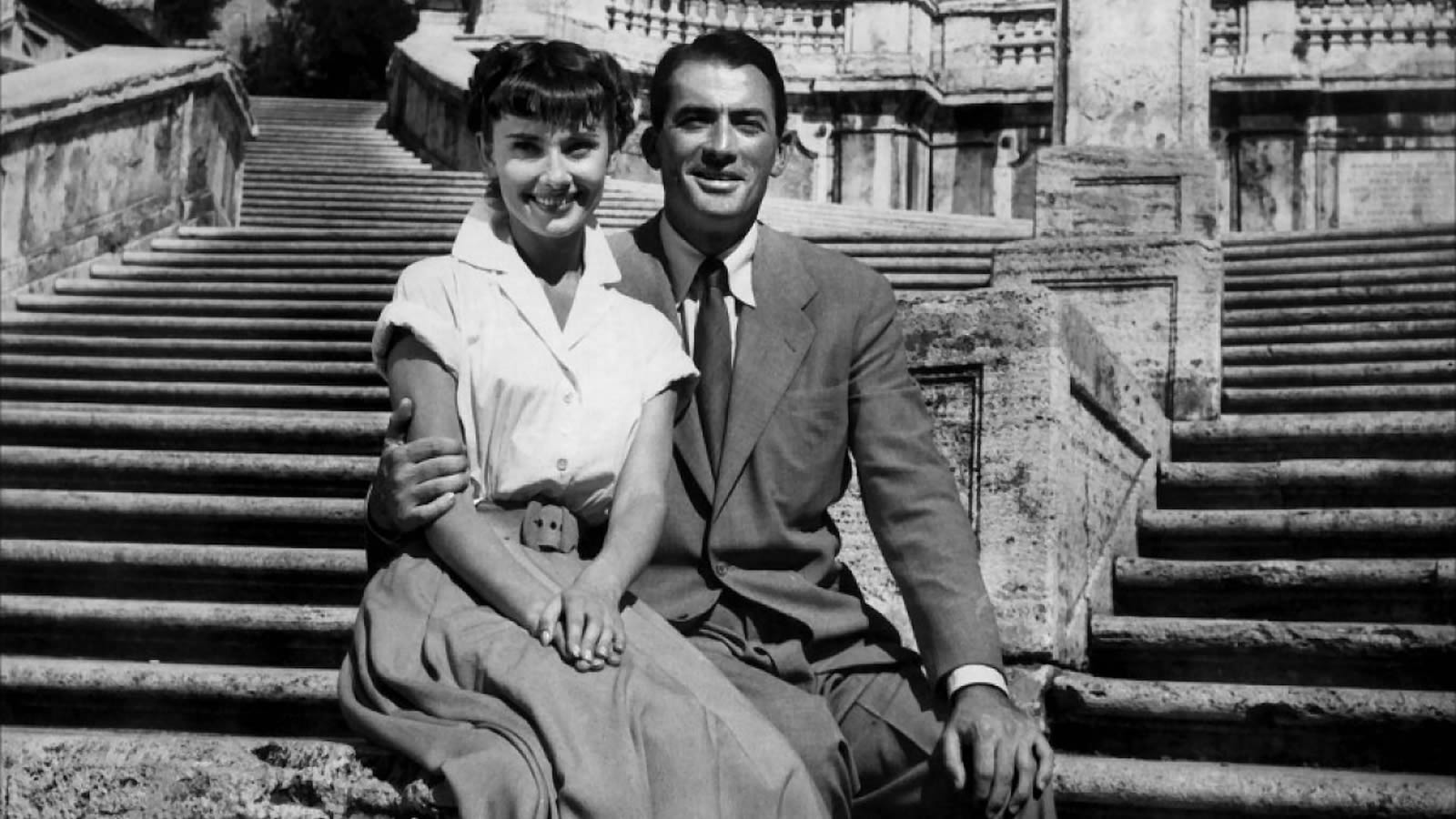
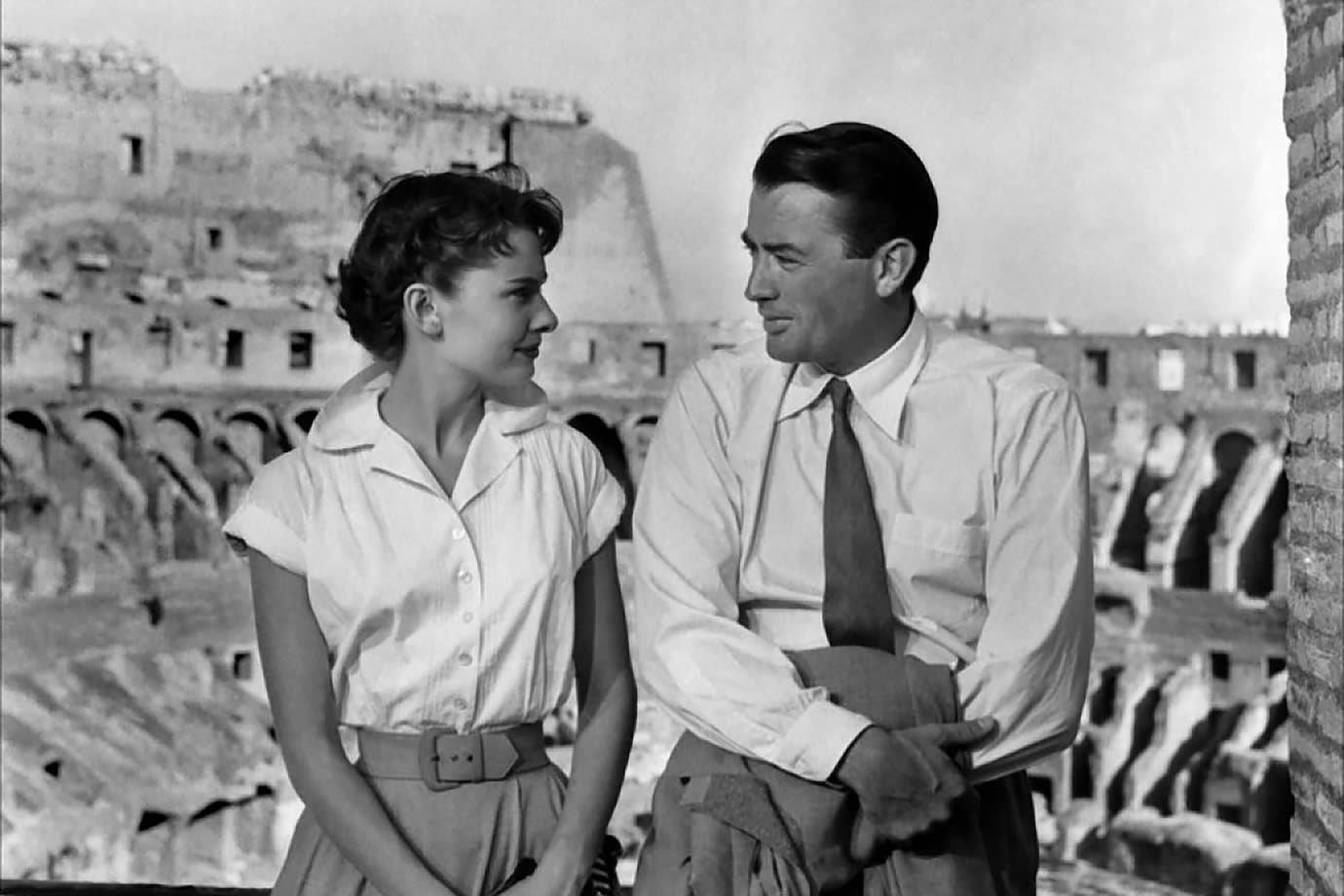
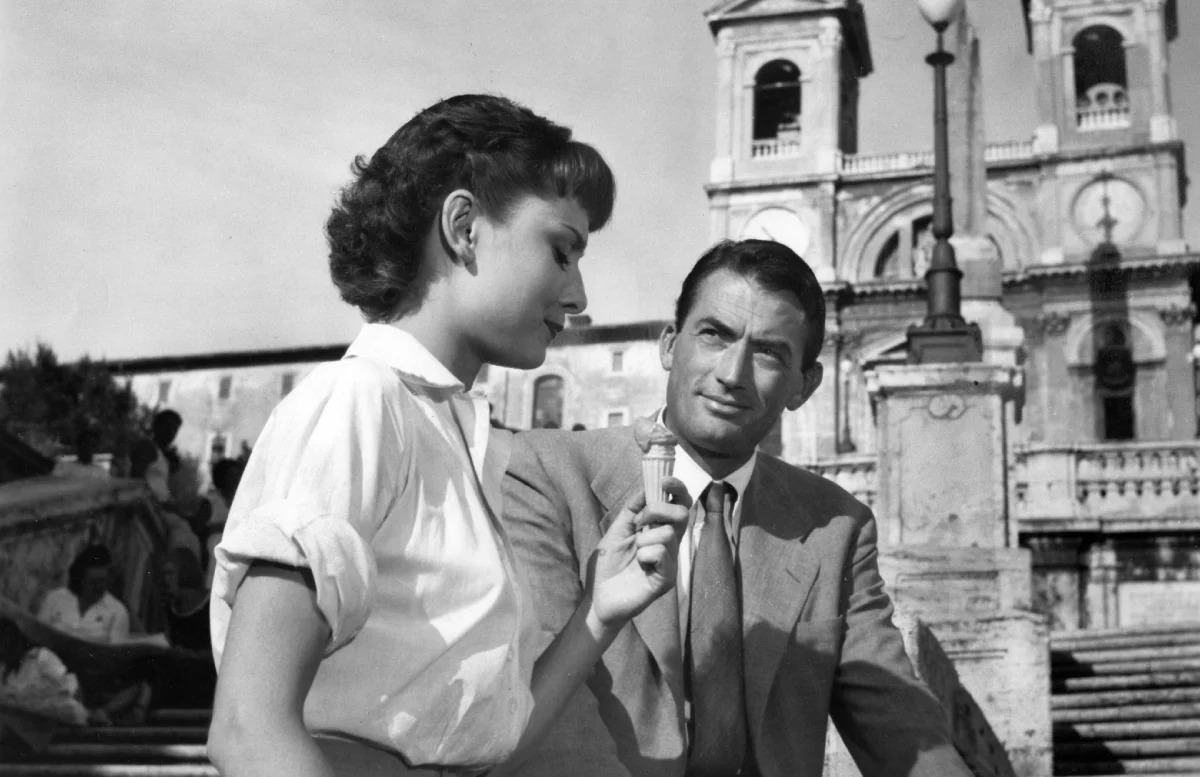
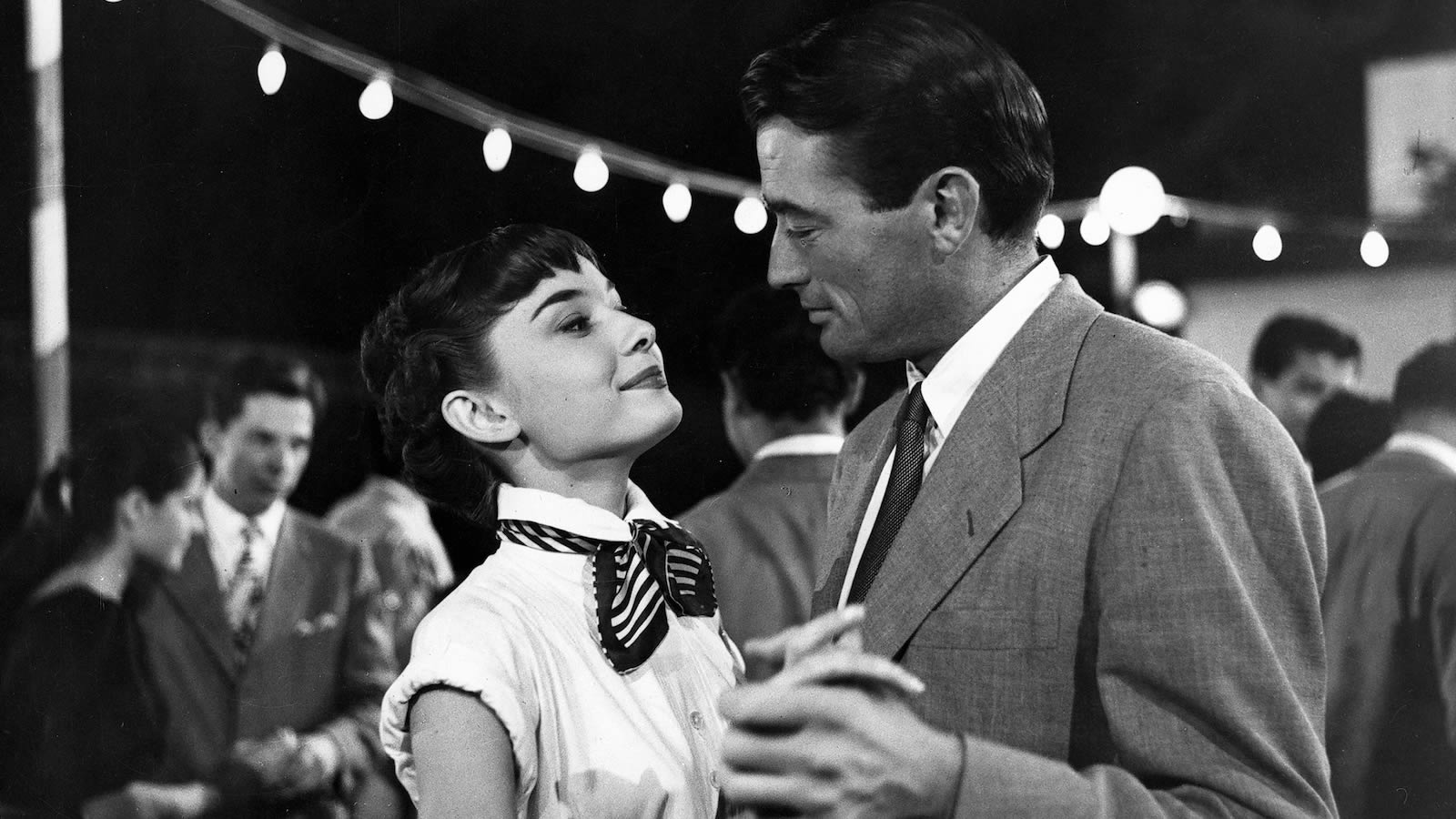
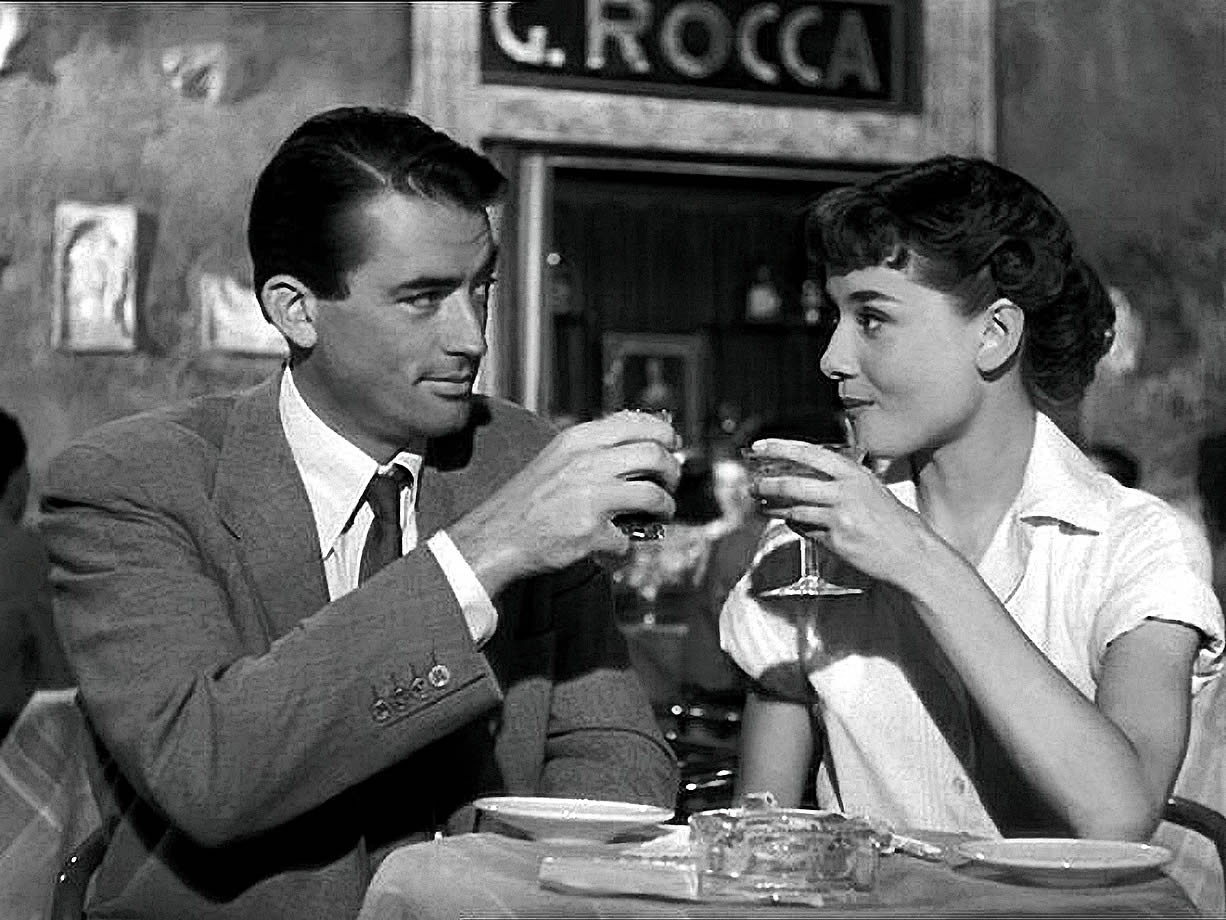
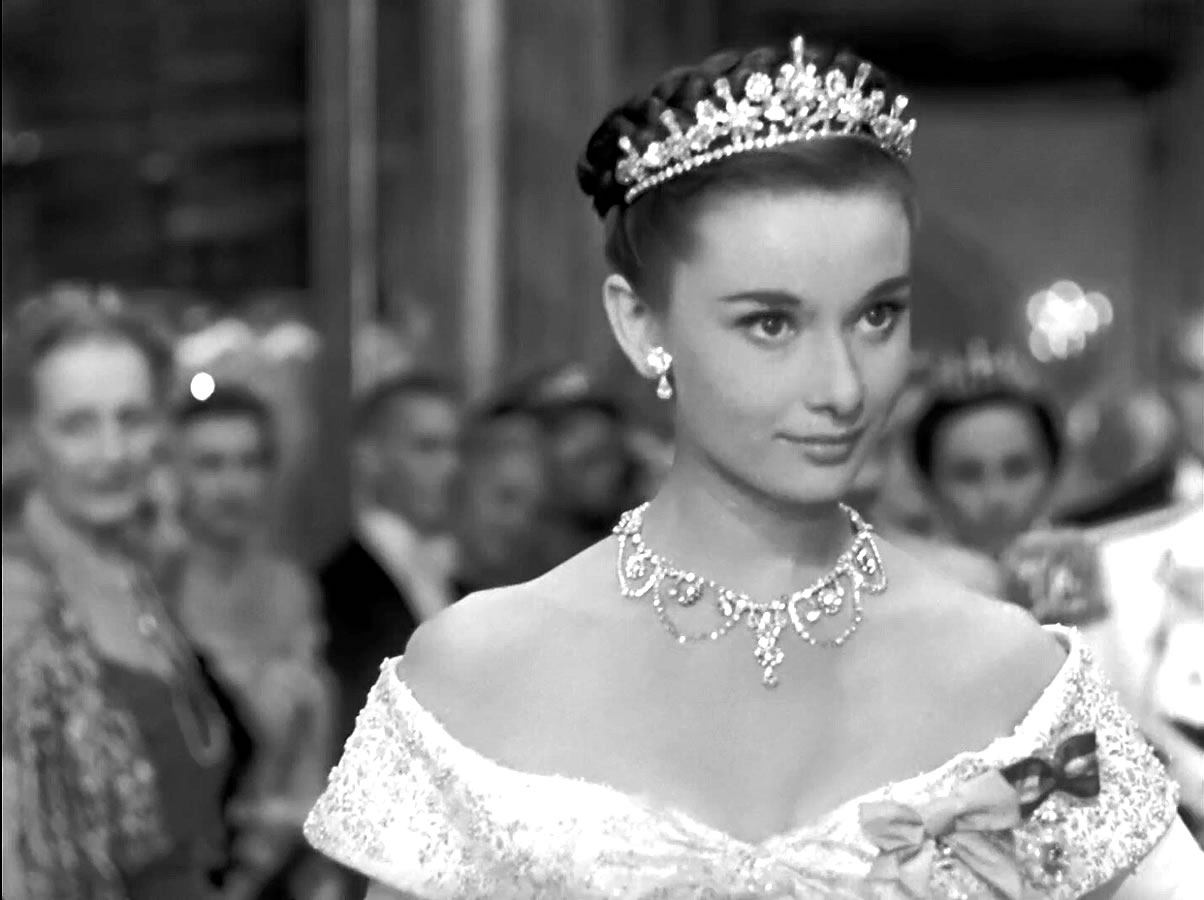
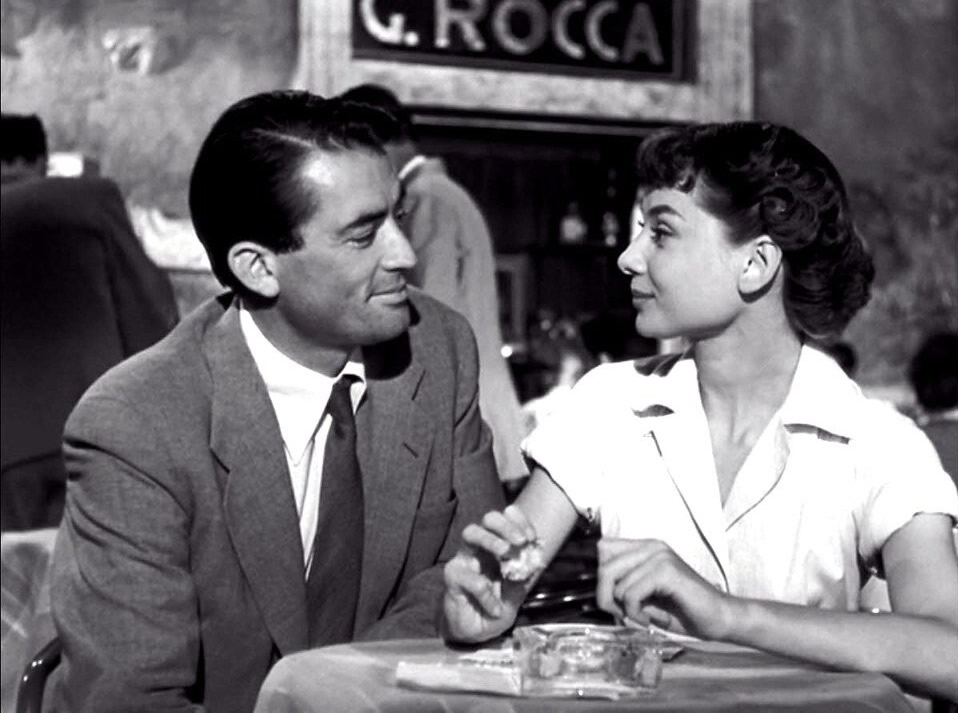
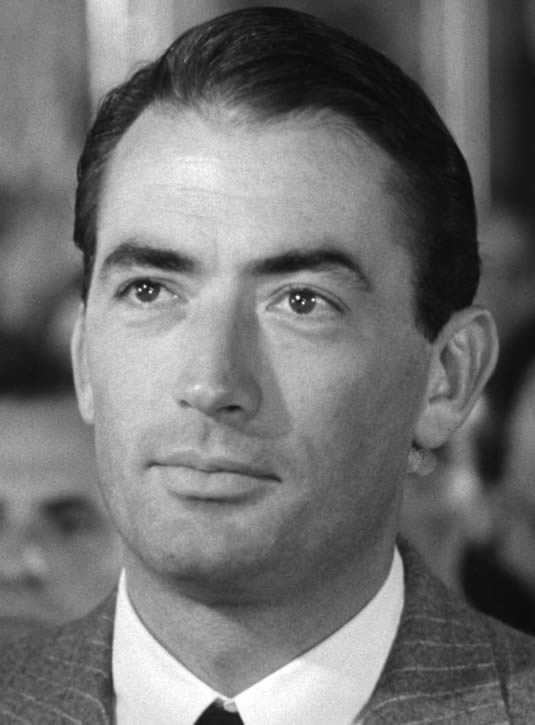
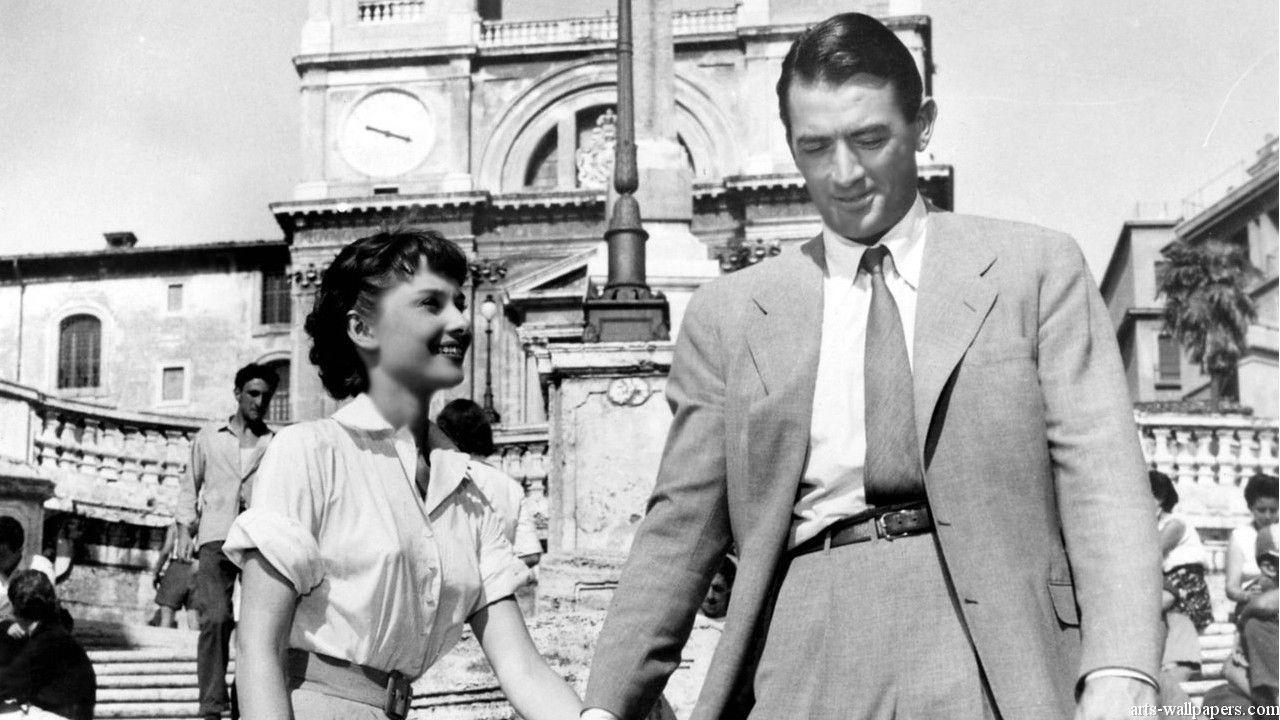
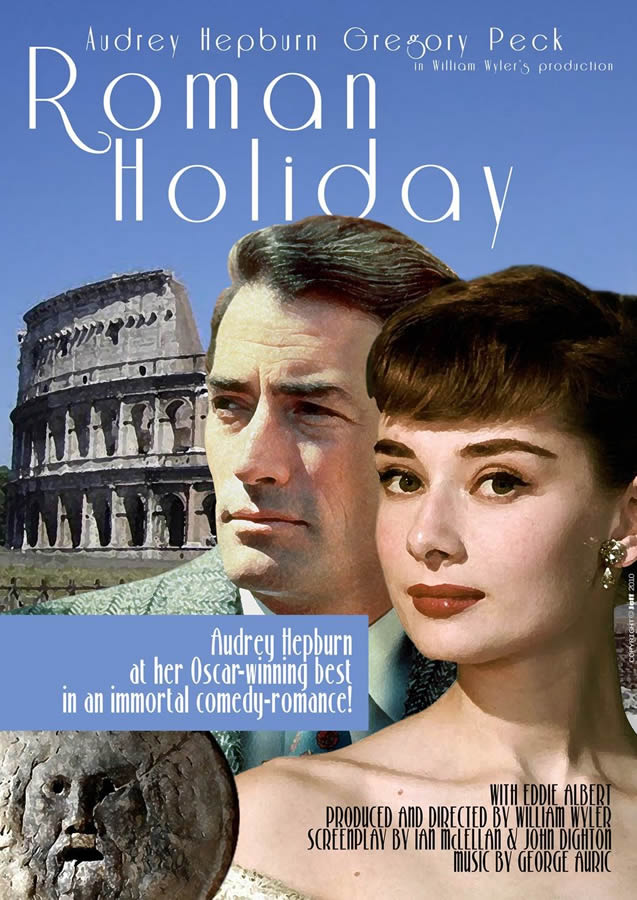
The phone call lasted about two minutes. Halfway through filming "Roman Holiday" in the summer of 1952, Gregory Peck — one of the biggest stars in Hollywood, a man with 18 films and four Oscar nominations behind him — called his agent with a simple request: give equal billing to his co-star. His agent's response was immediate and emphatic. You can't do that.
"Oh, yes I can," Peck said. "And if I don't, I'm going to make a fool out of myself. Because this girl is going to win the Oscar in her very first performance."
The agent thought he had lost his mind. The studio thought the same. In 1952, billing wasn't just a name on a poster — it was the entire language of power in Hollywood. Your position in the credits determined your salary, your leverage, your future. Established stars didn't share it. They certainly didn't volunteer to split it with unknowns. But Gregory Peck had spent six weeks watching something he'd never seen before, and he knew exactly what he was witnessing.
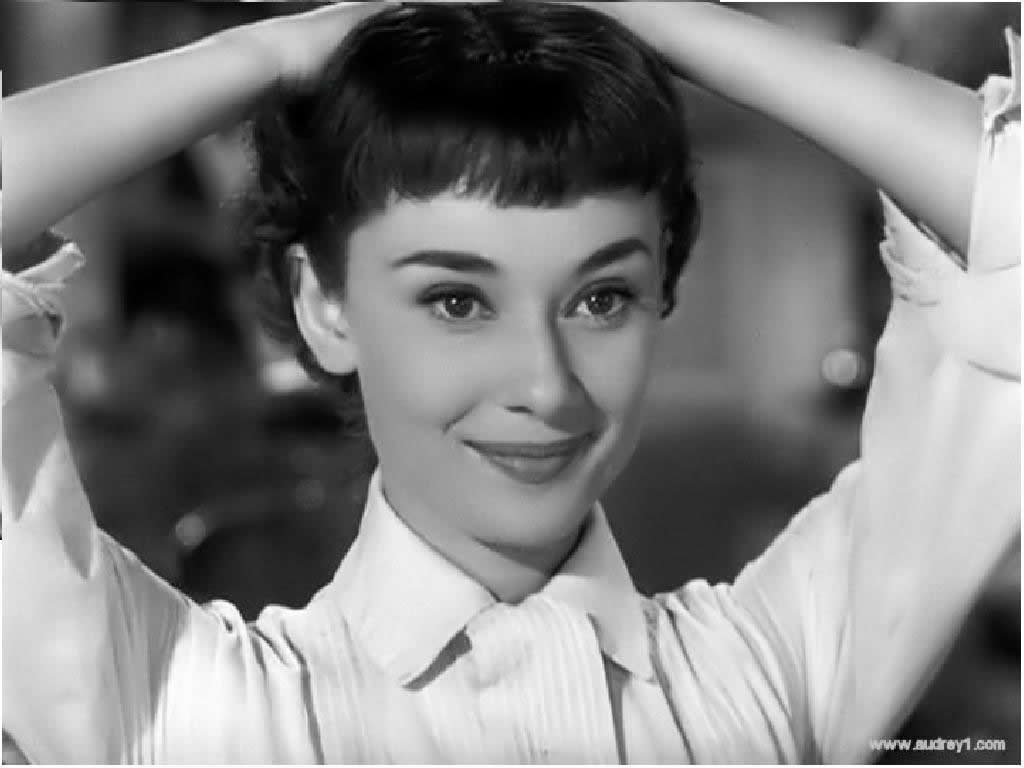
Audrey Hepburn had arrived in Rome terrified. She was 23 years old and had never starred in a Hollywood film. She'd grown up in Nazi-occupied Holland, where wartime malnutrition had permanently damaged her body and ended her childhood dream of becoming a prima ballerina. She'd worked her way through minor British film roles and stage productions, paying dues in the background while waiting for something to happen. What happened was William Wyler. The director wanted her so badly for Roman Holiday that Paramount paid $50,000 to buy her out of her Broadway contract for Gigi. The studio had originally wanted Elizabeth Taylor. Cary Grant had turned down the male lead, telling Wyler he was too old to romance a 23-year-old. The role went to Peck, who admitted it felt like it had been written for Grant — but took it anyway. Audrey knew she was a second choice playing opposite a first-tier star, being paid $12,500 while he was being paid to carry the entire film. His contract explicitly guaranteed solo top billing. His name, and his name alone, would appear above the title. She was to be listed below it.
Rome's summer heat climbed past 100 degrees. Crowds mobbed every outdoor location shoot. The production was grueling — Peck later said he lost 16 pounds during filming from the conditions and the pace. But watching Audrey work, he told people, was "like watching a flower come to bloom." She was nervous. She doubted herself. When director Wyler needed her to cry in the final farewell scene and couldn't get the tears, he snapped at her: "We can't stay here all night — can't you cry, for God's sake?" She burst into sobs. He shot the scene, then apologized: "I'm sorry, but I had to get you to do it somehow."
Peck saw all of it. He saw her uncertainty and her openness. He saw what the camera was recording in every frame they shared. And he became, quietly, her protector on set — encouraging her when she doubted herself, steadying her when the work felt too big.
In the Mouth of Truth scene — where legend holds that a statue will bite off the hand of a liar — the script called for Peck to briefly pretend his hand was being chewed off. Instead, he hid his hand inside his jacket sleeve and pulled out the "stump," without telling Audrey what he was going to do. Her scream of shock, her laughter, her completely genuine reaction — all of it is in the film, unscripted and real. It was the kind of gift only someone paying close attention would think to give. And then he made the phone call.
Peck got his wish. When "Roman Holiday" premiered in August 1953, the opening credits read: "Presenting Gregory Peck" and "Introducing Audrey Hepburn" — both names above the title. Eight months later, at the Academy Awards on March 25, 1954, Audrey Hepburn won Best Actress for "Roman Holiday". Her first Hollywood film. Gregory Peck had called it exactly, from the middle of a Roman summer, before a single frame had been shown to an audience. He wasn't even nominated.
In Hollywood, on-set friendships almost always evaporate when production wraps. Co-stars make promises. They rarely keep them. The industry runs on strategic relationships that dissolve the moment they stop being useful. Gregory Peck and Audrey Hepburn kept their friendship for forty years: not a professional courtesy, not a publicity arrangement. but a genuine friendship between two people who had recognized something real in each other during six weeks in Rome and never let go of it. Peck threw a party in London after filming wrapped, and it was at that party that Audrey met actor Mel Ferrer — the man who became her first husband. When that marriage eventually failed, Peck understood without judgment. When Audrey left Hollywood in the late 1960s to raise her sons in Switzerland, he respected it. When she devoted her final years to UNICEF — traveling to Somalia, Ethiopia, Sudan, and Guatemala to advocate for starving children — he admired her more than ever.
They attended each other's premieres. They exchanged letters. In 1989, Audrey participated in a tribute honoring Peck's career and said: "Not only did Greg agree to have me as his leading lady, but he guided me for months with kindness and patience and humor through one of the loveliest experiences of my life." He sent her thank-you notes afterward. "Your appearance, as always, is a high point," he wrote. "I'm always touched by your lovely grace and your generosity of spirit."
Audrey Hepburn died on January 20, 1993, at her home in Tolochenaz, Switzerland. She was 63. Colon cancer. Her two sons were with her at the end. At her memorial service, Gregory Peck recorded a video tribute in which he read her favorite poem — "Unending Love" by Rabindranath Tagore. The footage shows a man whose famous composure had completely shattered. His voice breaks as he reads: "I seem to have loved you in numberless forms, numberless times: in life after life, in age after age, forever." The dignified, controlled Gregory Peck the world knew was gone. In his place was someone saying goodbye to a person he had loved for forty years — not romantically, but in the deeper way that forms between two people when one of them believes in the other before the other believes in themselves.
Gregory Peck died on June 12, 2003. He was 87. His wife Veronique was holding his hand. Just eight days earlier, the American Film Institute had named his portrayal of Atticus Finch the greatest film hero of the previous century. He had given the world Atticus Finch. But in the summer of 1952, he had also given the world Audrey Hepburn — by refusing to let her name be buried below a title she had already outgrown before the cameras stopped rolling."I liked her a lot," he once said. "In fact, I loved Audrey. It was easy to love her." It was. But it took Gregory Peck to make sure the rest of us would get the chance. |