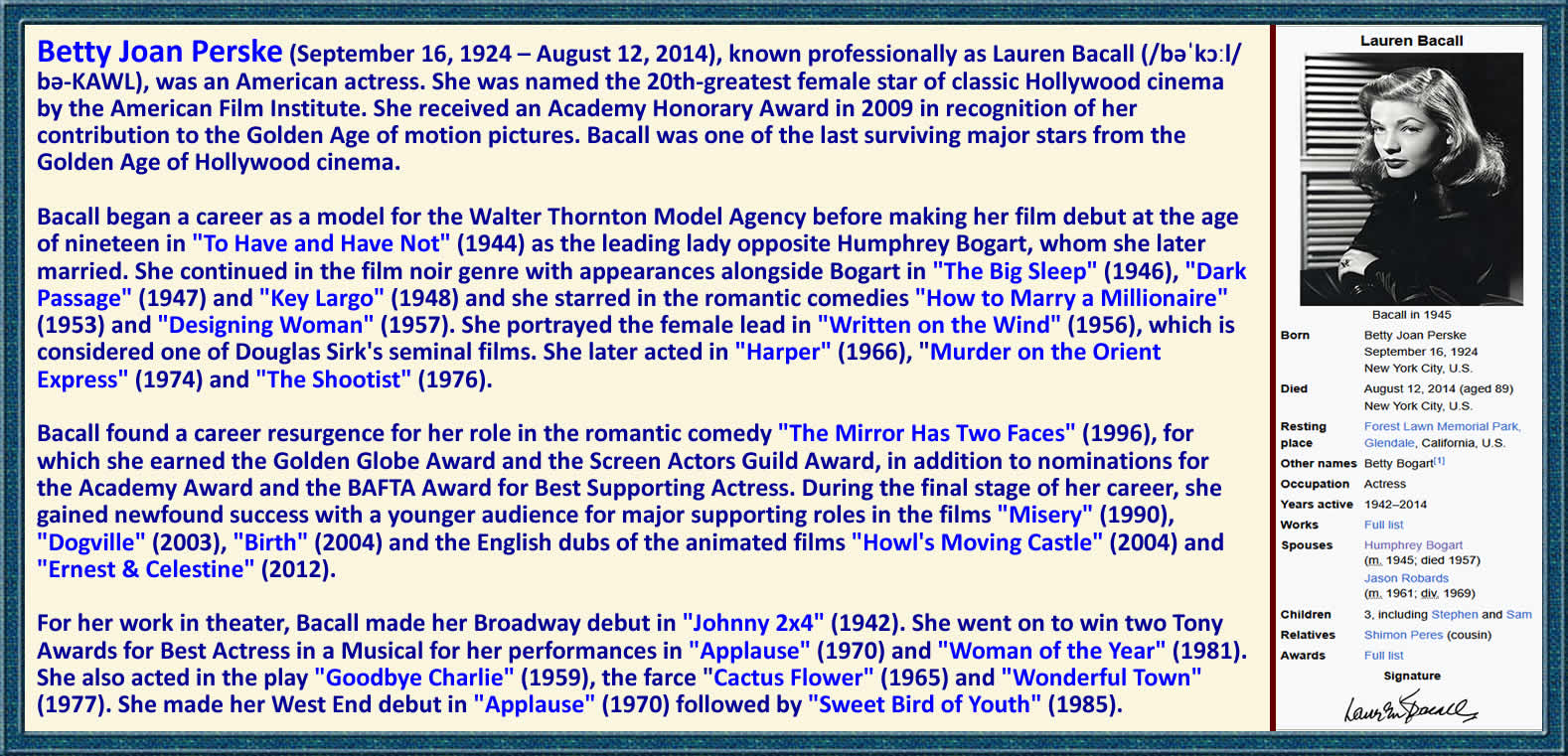
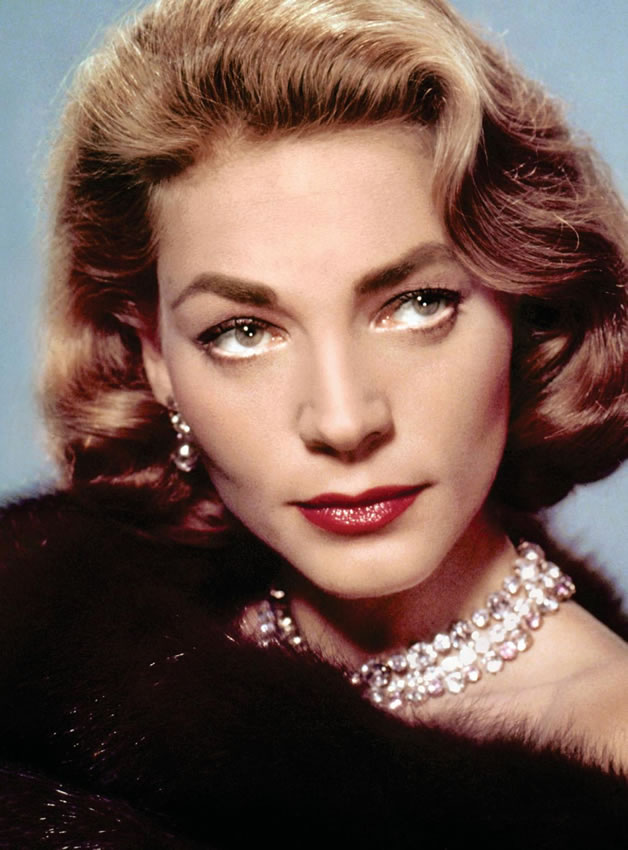
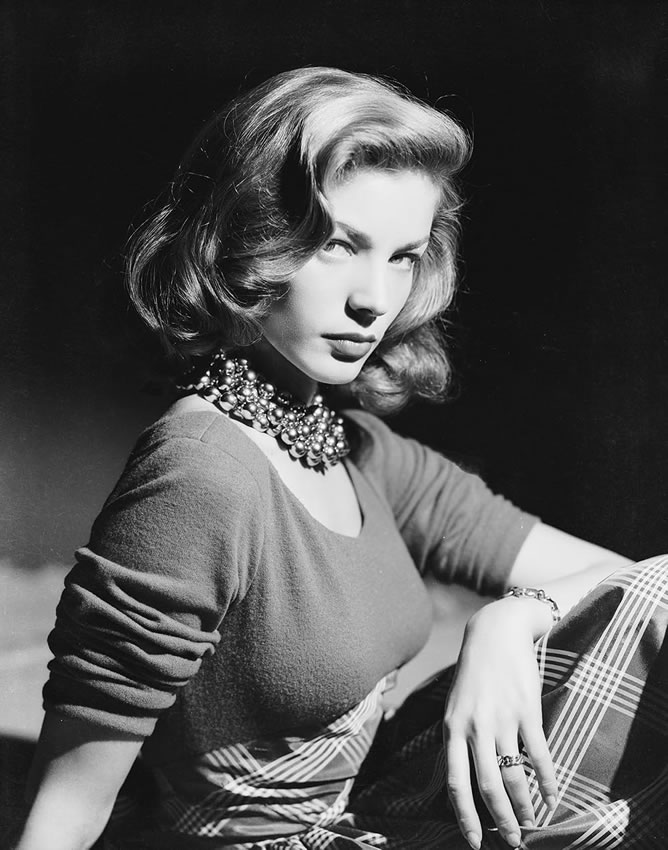
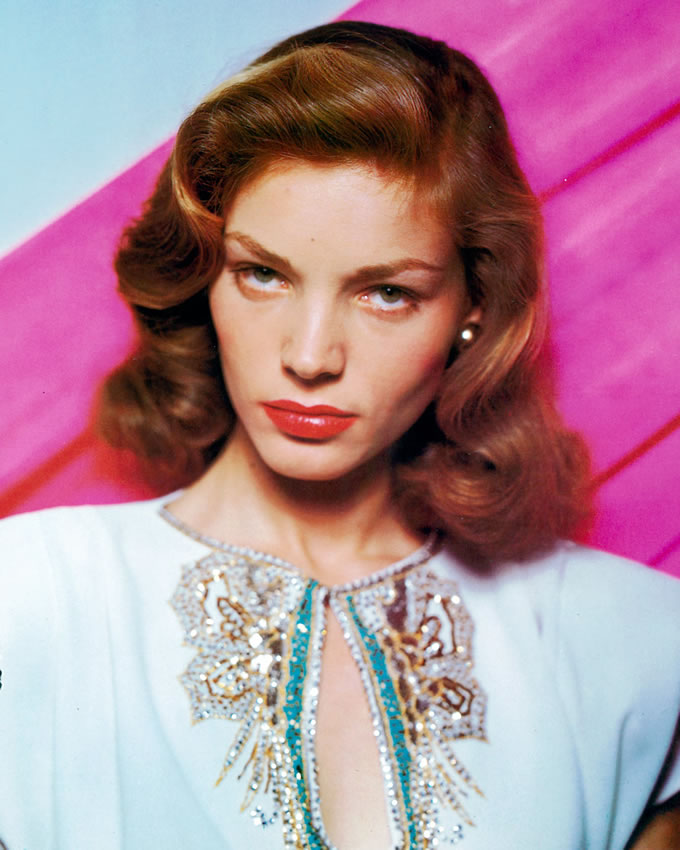
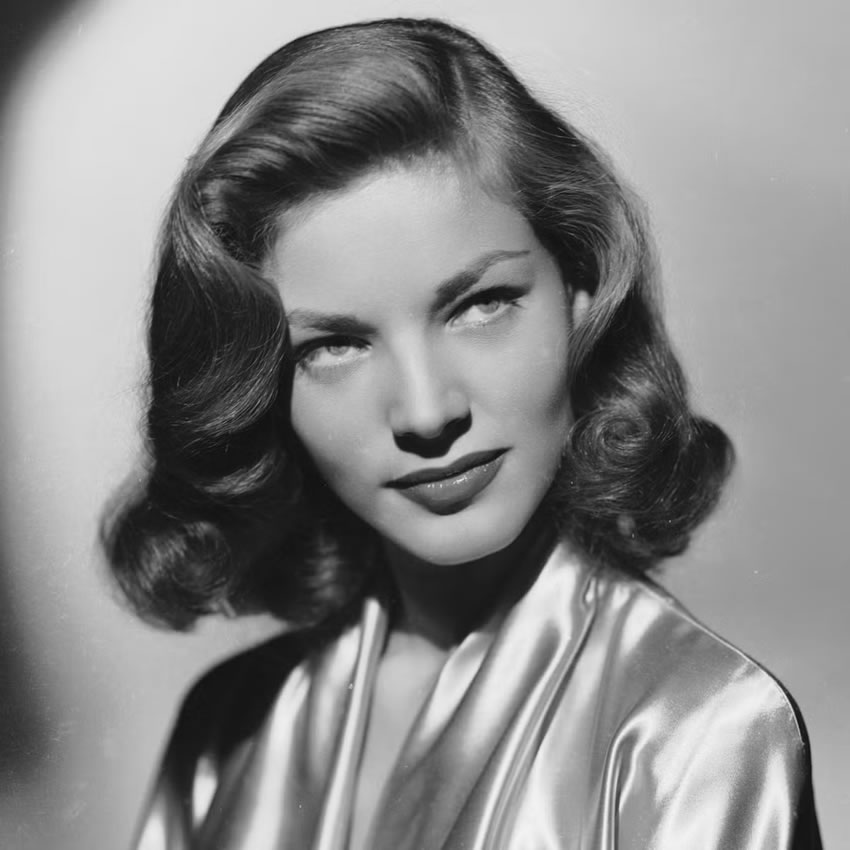
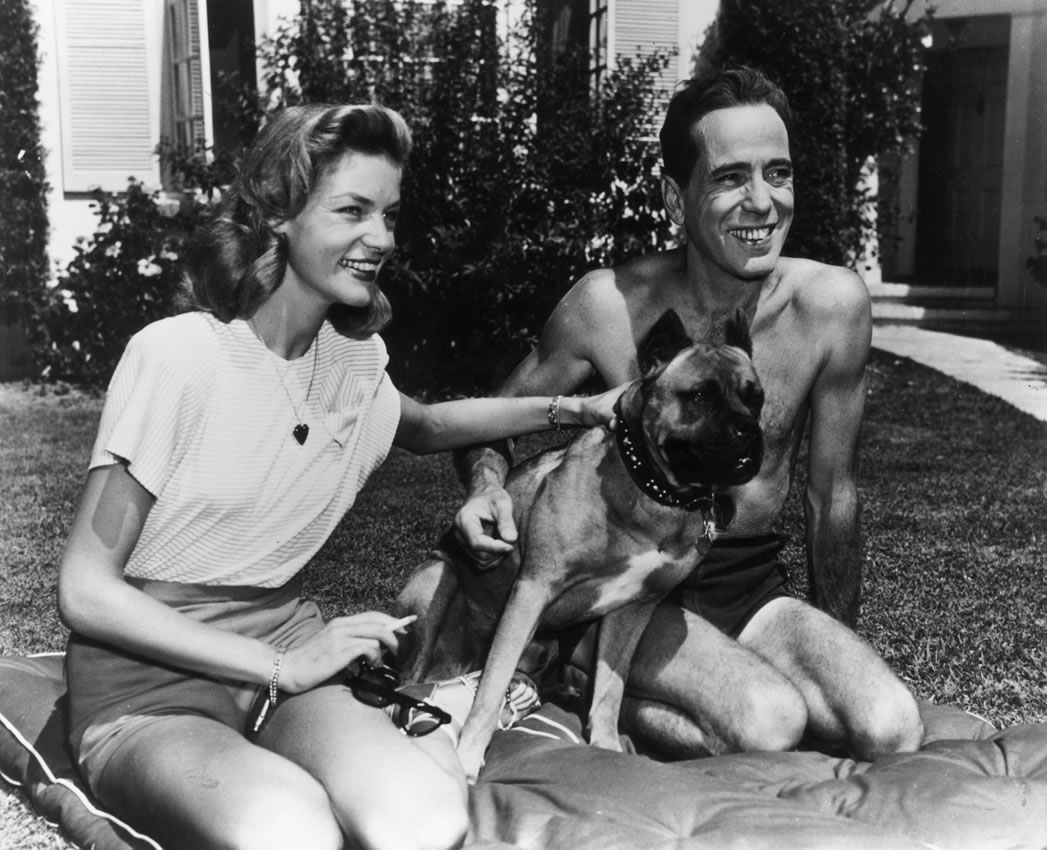
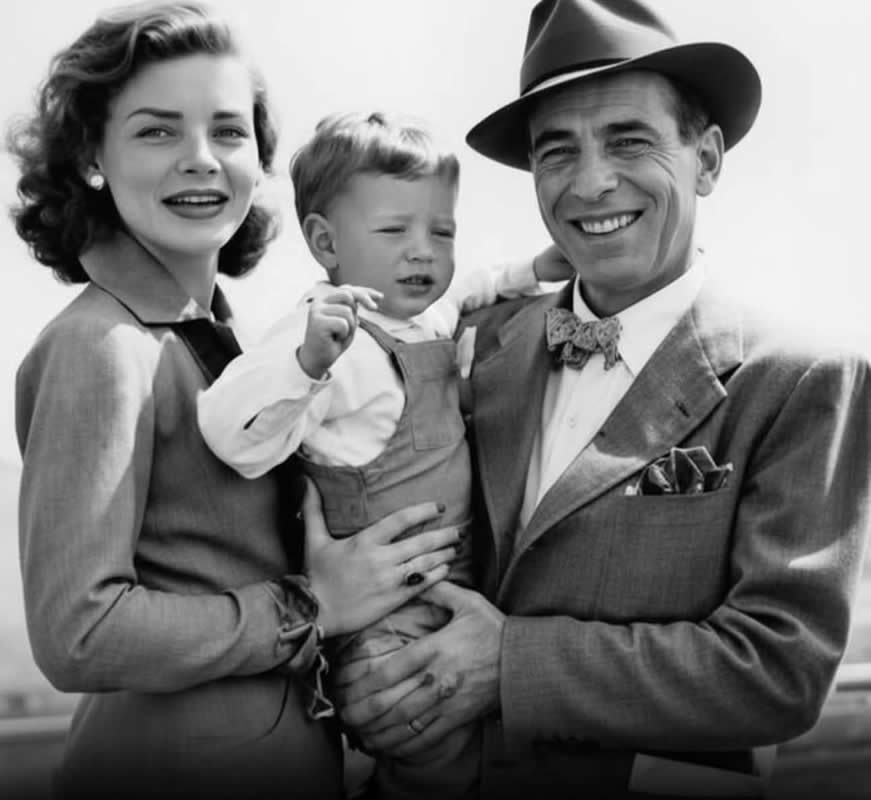
Humphrey Bogart died when she was 32; Frank Sinatra proposed, then abandoned her; she raised three kids alone; she never stopped working; she never stopped being Lauren Bacall.
On January 14, 1957, Lauren Bacall lost the love of her life.
Humphrey Bogart - Bogie, her husband of eleven years, the man she'd fallen in love with when she was just 19 - died of esophageal cancer at age 57. She was 32 years old, suddenly a widow with two young children: Stephen, age 7, and Leslie, age 4.
Hollywood had always called them the perfect couple. Their on-screen chemistry in To Have and Have Not and The Big Sleep had been electric. Their real marriage had been even better - witty, passionate, deeply devoted despite their 25-year age gap.
And now he was gone.
Lauren Bacall had to figure out how to breathe in public while drowning in private.
The press watched her every move. They wanted to see grief, wanted to capture the widow's pain, wanted to know: who would the legendary Bacall love next?
She was young, beautiful, famous. Hollywood assumed she'd remarry quickly. They were already taking bets on who it would be.
Then came Frank Sinatra.
Sinatra had been Bogie's close friend - part of the Rat Pack, a regular at their home, someone Bogart trusted. After Bogie died, Sinatra stayed close to Lauren. He checked on her. He made her laugh. He reminded her that life could still have joy.
Somewhere in that grief and companionship, friendship became romance.
By 1958, just over a year after Bogie's death, newspapers were announcing their engagement. Sinatra had proposed. Lauren had said yes. Hollywood was thrilled - two legends, a new beginning.
Then, suddenly, it was over.
The details remain murky, but the outcome was clear: Sinatra got cold feet. He backed out. Some reports say he simply stopped calling. Others suggest he was terrified of the commitment, of being compared to Bogart, of the responsibility of stepchildren.
Whatever the reason, he left Lauren Bacall standing in the wreckage of a very public almost-marriage.
The humiliation must have been crushing. Not only had she lost Bogart, not only was she grieving publicly, but now the man she'd opened her heart to had walked away, and everyone knew about it.
And yet, years later, Bacall spoke of Sinatra with grace. She acknowledged the hurt but also credited him with helping her survive the darkest period of her life. He had made her feel alive again when she wasn't sure she wanted to be.
That's the thing about Lauren Bacall: she refused to become bitter.
The press connected her to other men - Adlai Stevenson, the intellectual Democratic politician whose mind matched her fierce political engagement; actor Harry Guardino, whose relationship was rumored but never confirmed.
Through it all, Bacall kept working. She returned to Broadway. She made films. She raised Stephen and Leslie mostly alone, navigating single motherhood in an era when divorced women were stigmatized and widows were expected to be tragic figures.
She was neither tragic nor waiting to be rescued.
Then, in 1961, she met Jason Robards - a brilliant, troubled actor with a boyish grin and undeniable talent. They fell in love. They married. In December 1961, she gave birth to their son, Sam.
For a while, it worked. Robards was talented, charming, passionate about his craft. But he was also an alcoholic, and the disease progressively destroyed their marriage.
Bacall tried. She stayed. She hoped he'd get sober, hoped their love would be enough. But by 1969, after eight years of struggle, she filed for divorce.
She was 44 years old, divorced for the first time, with three children - ages 20, 17, and 7. Most women in Hollywood at that age were considered finished, relegated to mother roles or character parts.
Lauren Bacall kept working for another 45 years.
She returned to Broadway and won a Tony Award. She did critically acclaimed film work. She wrote candid memoirs that didn't sugarcoat the pain of losing Bogart, the humiliation of the Sinatra breakup, or the struggle of her marriage to Robards.
She spoke openly about her life - not as a victim, not as a cautionary tale, but as someone who had lived fully, loved deeply, been hurt, and kept going.
Her children remained her constant. Stephen became a producer and director. Leslie became a nurse and yoga instructor. Sam became an acclaimed actor. Bacall spoke of motherhood as her greatest achievement - not because her children were famous, but because she'd raised them with love despite the chaos of grief, public scrutiny, and complicated relationships.
She never remarried after Robards. There were relationships, but she never again gave herself fully to that institution. Maybe she'd learned. Maybe she'd decided she was enough on her own.
In her later years, Bacall became a Hollywood elder stateswoman - that distinctive voice deepened by time and cigarettes, that famous gaze still steady and direct. She didn't soften with age. She remained sharp, opinionated, unimpressed by modern celebrity culture.
When she finally received an honorary Academy Award in 2009, it was long overdue recognition of a career that had spanned seven decades. She'd never won a competitive Oscar despite multiple iconic performances, but she accepted the honor with characteristic grace and just enough edge.
Lauren Bacall died on August 12, 2014, at age 89, from a stroke.
She had outlived Bogart by 57 years - far longer than they'd been married, longer than he'd been alive after she met him.
And in those 57 years, she'd built a life that wasn't defined by who she'd lost or who she'd loved after. She'd built a career, raised children, survived heartbreak, refused to be reduced to "Bogart's widow" or "Sinatra's almost-wife."
The lesson of Lauren Bacall's life isn't about romance or resilience in some abstract sense.
It's about what you do when the worst thing happens and everyone is watching to see if you'll break.
She was 32 when Bogart died. She could have retreated into grief, lived off his legacy, been the eternal widow. Hollywood would have let her.
Instead, she fell in love again - and got her heart broken again. She married again - and divorced again. She kept working, kept showing up, kept that unmistakable gaze steady even when life was unbearably hard.
She proved that a great life isn't about avoiding pain or finding the perfect love story. It's about continuing - through grief, through humiliation, through divorce, through the relentless public scrutiny that came with being Lauren Bacall.
When people think of her, they often remember her with Bogart - young, sultry, that famous "You know how to whistle" line from their first film.
But the real Lauren Bacall wasn't frozen at 19 in a perfect love story.
She was 32, widowed with two children. She was 33, publicly dumped by Frank Sinatra. She was 44, divorcing an alcoholic while raising three kids. She was 89, still sharp, still working, still herself.
That's the map she left: not how to find perfect love, but how to survive imperfect love and keep living anyway.
Lauren Bacall didn't just learn to breathe in public after Bogart died.
She learned to live out loud - fully, messily, magnificently - for another 57 years. And that's the real legend.
|