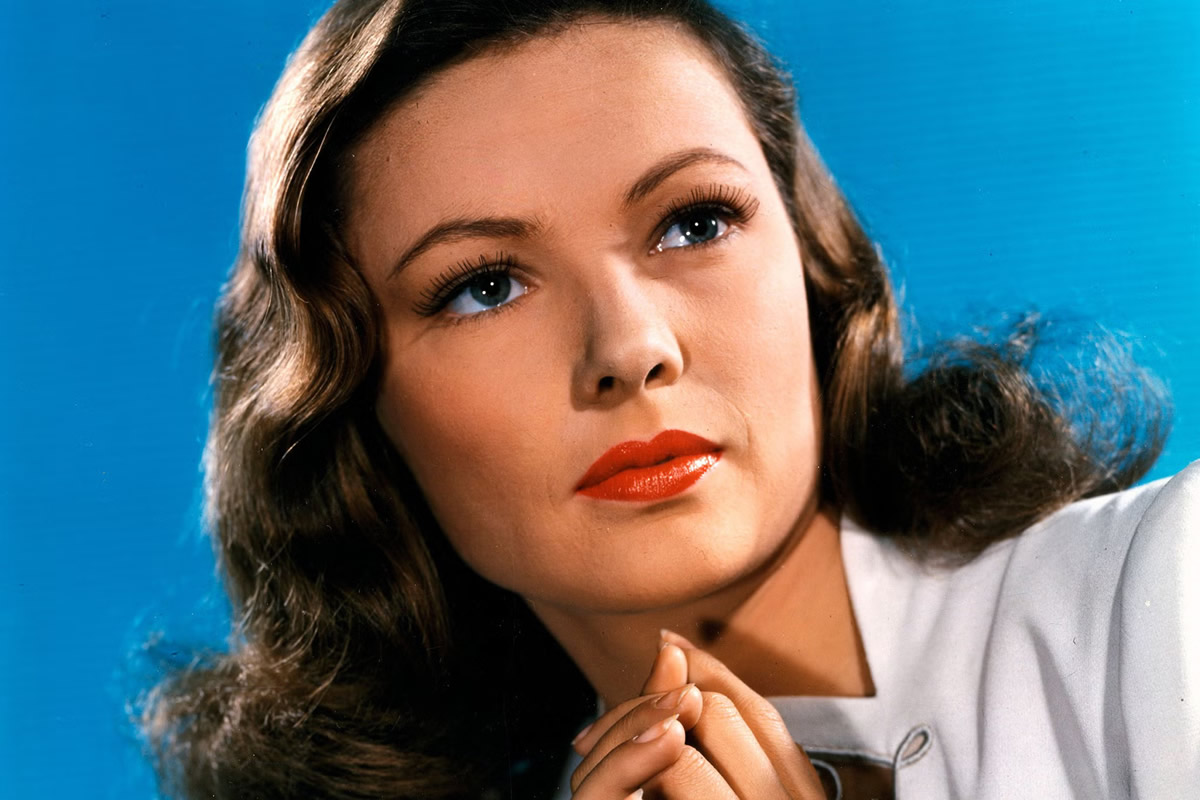
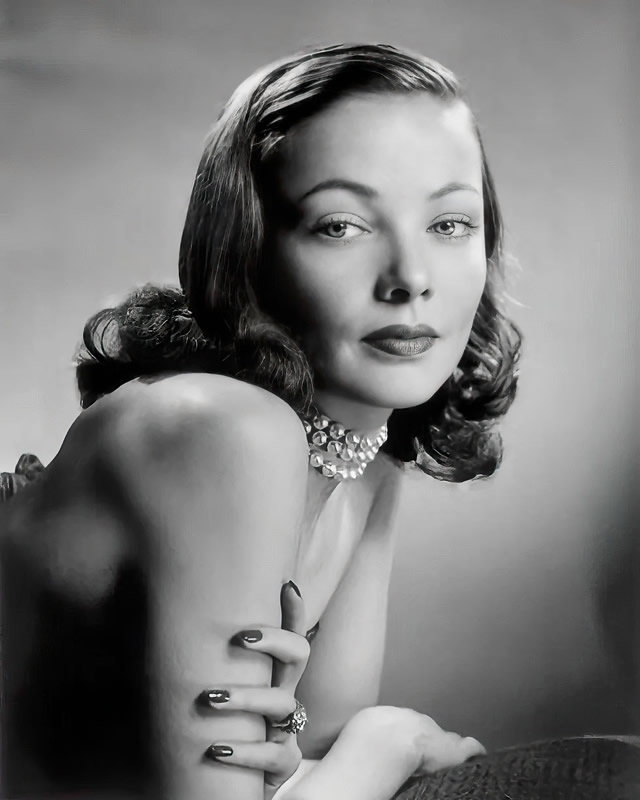
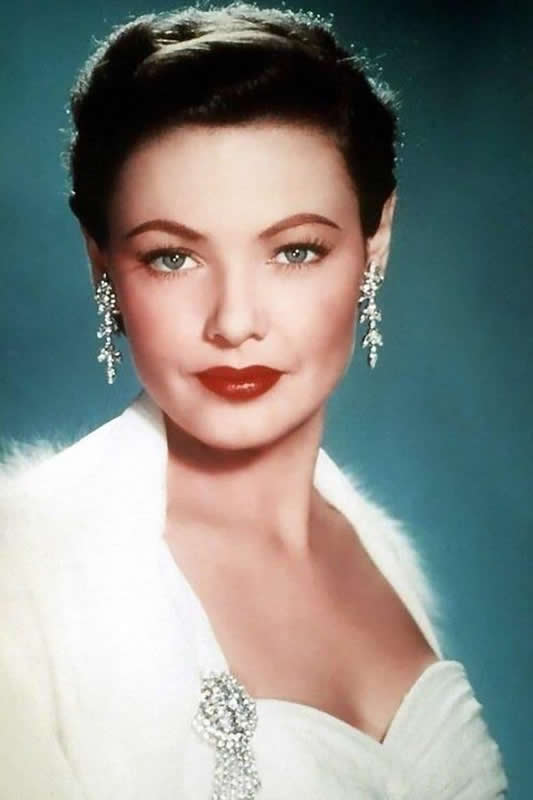
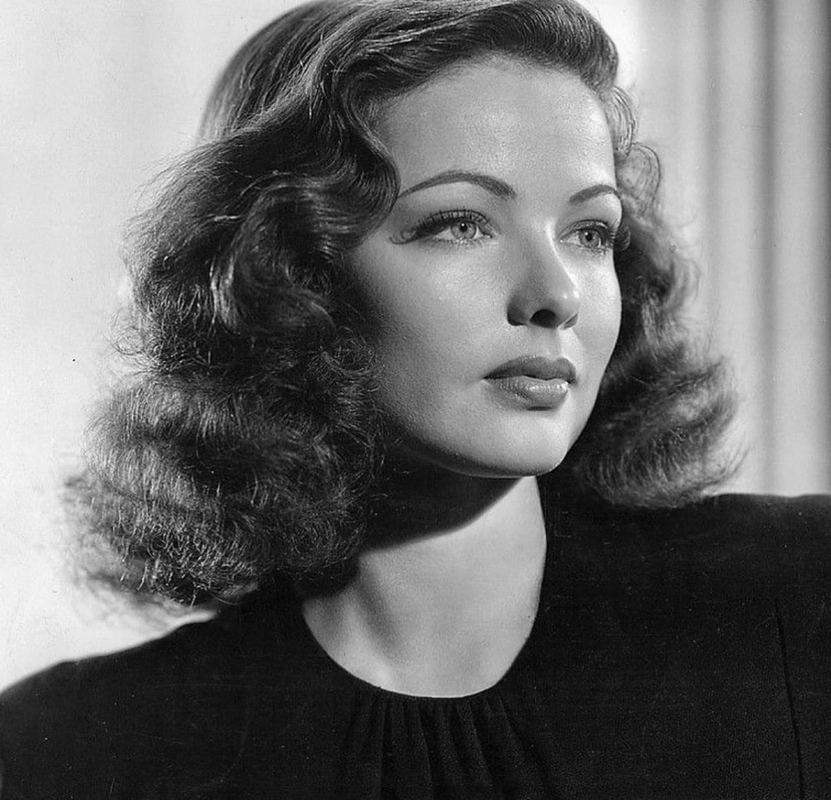
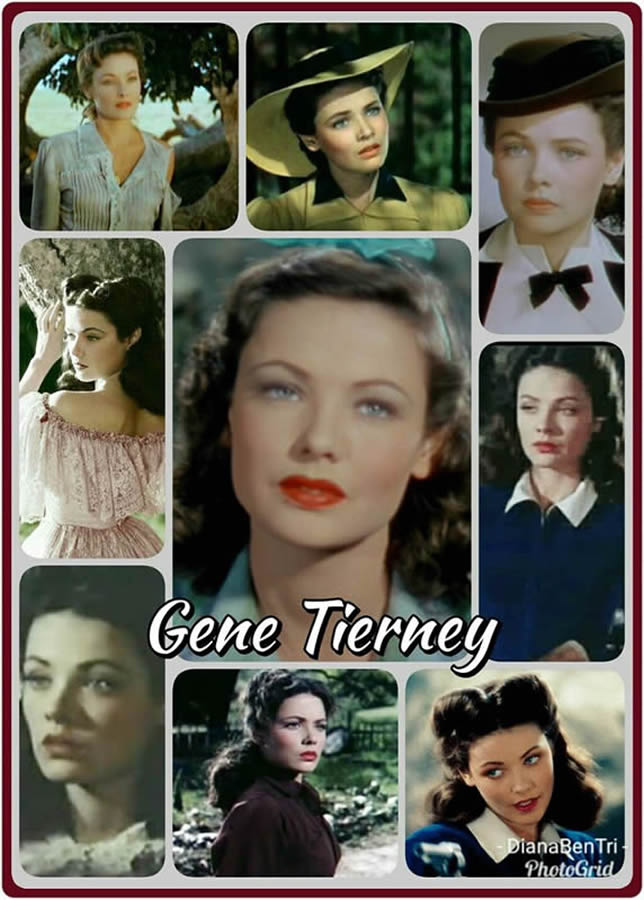
| Gene Tierney - 19 November 1920 to 6 November 1991 |
|
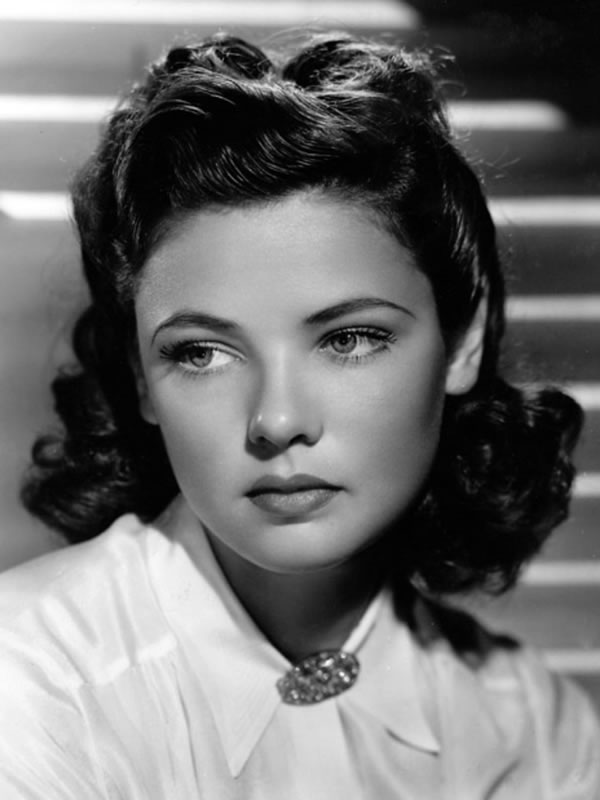
It was June 1943. Gene Tierney was at the height of her beauty and fame - "unquestionably the most beautiful woman in movie history," producer Darryl F. Zanuck would later say. Her face graced magazine covers across America. She was Hollywood's golden girl, beloved by millions.
But that night at the Hollywood Canteen, as she signed autographs and shook hands with homesick soldiers, Gene didn't know she was pregnant, and she didn't know that one of the women who approached her - a Marine so starstruck she couldn't stay away - had just broken quarantine for German measles. Days later, red spots appeared on Gene's arms and face: Rubella. In 1943, doctors had only recently discovered that this "harmless childhood disease" could devastate unborn children. There was no vaccine, no cure - and Gene was in her first trimester - the most dangerous time.
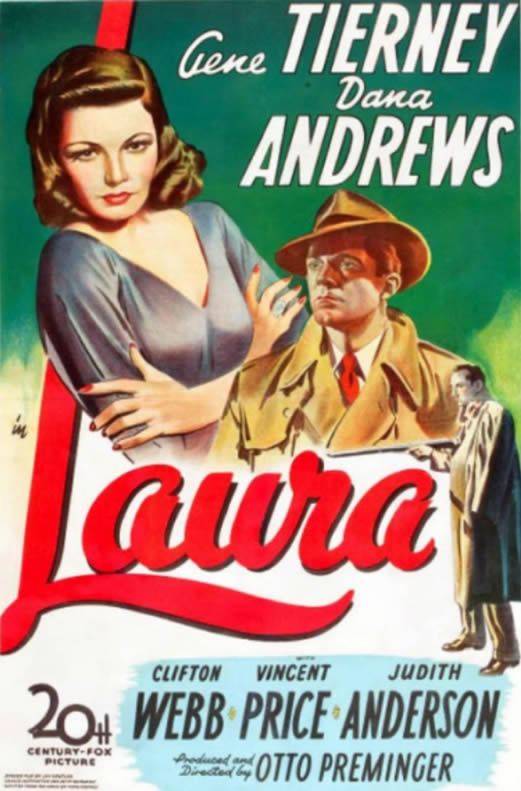
On October 15, 1943, Gene gave birth to a daughter she named Antoinette Daria. The baby arrived two months early, weighing barely three pounds. She required an immediate full blood transfusion just to survive. Daria was deaf, partially blind with severe cataracts. Her brain had been irreparably damaged by the virus. Doctors told Gene her daughter would never speak, never live independently, never know the world beyond her disabilities. "They said I should forget her," Gene recalled years later. "But how can a mother forget?" For two years, Gene carried her secret grief while Hollywood demanded she keep smiling. She filmed "Laura" (1944), the noir classic that made her an icon. She earned an Oscar nomination for her chilling performance in "Leave Her to Heaven" (1945). The world worshipped her beauty while she visited her daughter in secret, her heart breaking with every smile she gave the cameras. Then, at a tennis function when Daria was about two years old, a woman approached Gene for an autograph."Ms. Tierney, do you remember me?" the woman asked cheerfully.Gene shook her head. She had no memory of this stranger."I met you at the Hollywood Canteen!" the woman gushed. "I was in the Marines. I was such a huge fan - I just had to meet you." Then she said the words that would haunt Gene forever: "By the way, did you happen to catch the German measles after that night? Everyone told me I shouldn't go because I was under quarantine, but I just couldn't miss seeing you. You were my favorite." Gene stood there, frozen. This woman - this thoughtless, star-struck woman - had given her the rubella. She was the reason Daria couldn't hear, the reason she couldn't see, the reason she would never speak her mother's name. Gene said nothing; she simply turned and walked away. The weight of that moment crushed her. When Daria was four, Gene and her husband Oleg made the agonizing decision to institutionalize their daughter at Elwyn, a specialized facility in New Jersey, where Daria would spend most of her life. Gene visited constantly, though few people knew. But the trauma was destroying he: her marriage to Oleg crumbled; she suffered miscarriages.
By the 1950s, she was diagnosed with bipolar disorder - still deeply stigmatized at the time. She underwent electroshock treatments, dozens of them, procedures that erased large portions of her memory. When she returned to film sets, she couldn't remember her lines. Humphrey Bogart, her co-star in "The Left Hand of God", quietly fed her dialogue just so she could get through scenes. Hollywood, which had worshipped her beauty, watched her disappear. She moved to Connecticut to live with her parents, stepping away from the cameras that had once adored her. But Gene Tierney was stronger than anyone knew. She remarried - to W. Howard Lee, a Texas oilman - and found peace away from Hollywood. She wrote her autobiography," Self-Portrat", published in 1979, one of the first Hollywood memoirs to speak openly about mental illness. It became a lifeline for others suffering in silence."If I can give one person courage," she said, "then what I went through was not wasted." Throughout it all, Gene never stopped visiting Daria. She never abandoned the daughter the world told her to forget. Howard Hughes, the eccentric billionaire producer, quietly paid all of Daria's medical expenses for her entire life - one of his few truly generous acts. Gene never forgot his kindness. Daria Cassini lived until September 11, 2010. She was 66 years old when she died. Her mother had been gone for nearly two decades, but Gene had spent her life ensuring Daria received the best care possible."Daria taught me what love means," Gene once said. "It means staying when everyone else leaves."
Gene Tierney's story became the inspiration for Agatha Christie's 1962 novel "The Mirror Crack'd from Side to Side", where a similar tragedy drives the plot. Christie's official website acknowledges that the novelist "was influenced by the real-life tragedy of American actress Gene Tierney." In 1969 - twenty-six years after Daria's birth - a rubella vaccine was finally developed. It became the "R" in the MMR vaccine. The World Health Organization declared rubella eliminated from the Americas in 2015. Countless children were saved from Daria's fate, but for Gene Tierney, the vaccine came too late. She died on November 6, 1991, at age 70, just thirteen days before her 71st birthday. She is buried in Houston, Texas, alongside her second husband. History remembers her as one of Hollywood's most beautiful women. But her real beauty was the strength it took to survive what one moment of thoughtlessness cost her - and to turn that suffering into compassion for others. Gene Tierney once said: "I've been called beautiful. But surviving what happened to me - that was my real beauty."She lived through tragedy Hollywood never scripted, and she did it with a grace the cameras never fully captured. May her memory remind us that our choices ripple outward in ways we cannot foresee: one broken quarantine, one handshake, one life forever changed.
|